

If you can’t or don’t want to vote, we’re not chastising you.
A lot of voters in Toronto and around the world are turning away from elections, often due to a mix of apathy or disillusionment.
“You’re going to go and vote this one time, and then what? The day after we vote, everyone’s unhappy. Everyone’s pissed off. Nothing has changed, and nothing will change. And I think that gets people down,” says Dasha K., a community organizer in Toronto who wanted to use only her last initials to keep her employment safe. That’s why for her, it’s important to organize outside of election season, especially in your own locality.
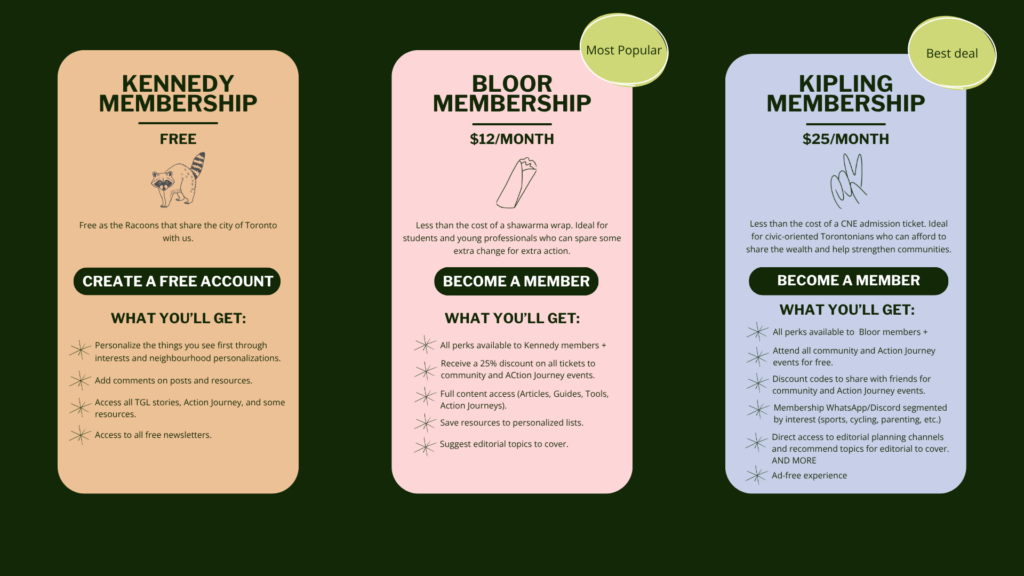
BECOME A GREEN LINE MEMBER TODAY
“Anger is a great motivator and instead of it going towards the ‘fuck everything, everything sucks, nothing’s going to change,’ be like, ‘I’m going to do something’,” she says.
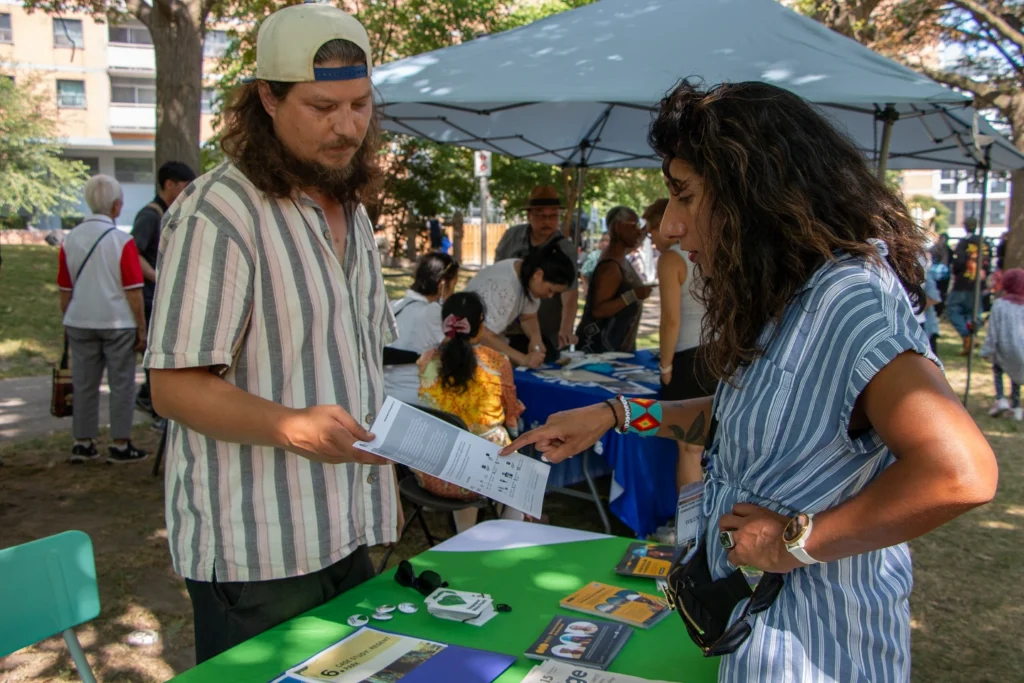
Dani Mitrovic, a long-time community organizer in downtown Toronto, says her approach to change is to make sure she’s regularly involved with neighbours or coworkers on the issues she cares about. “I just strongly believe in regular people being involved because that’s where the health of any democratic project comes from,” she says.
Of course, that’s not to say that voting isn’t important. If you can, you should vote — and The Green Line has tons of resources, like this tool to learn how to check a candidate’s track record, to help you make an informed decision.
But if you’re not eligible to vote or simply looking for other ways to get involved in your community, we got you.
From volunteering at your local food bank or growing veggies with neighbours, to bugging your elected representatives to actually follow through on their promises or petitioning for the changes you want to see, you have many ways, big and small, to make a difference — whether you’re a hardcore activist or just living day by day and want to take care of an issue that’s personally driving you nuts.
Why you should be involved in your community
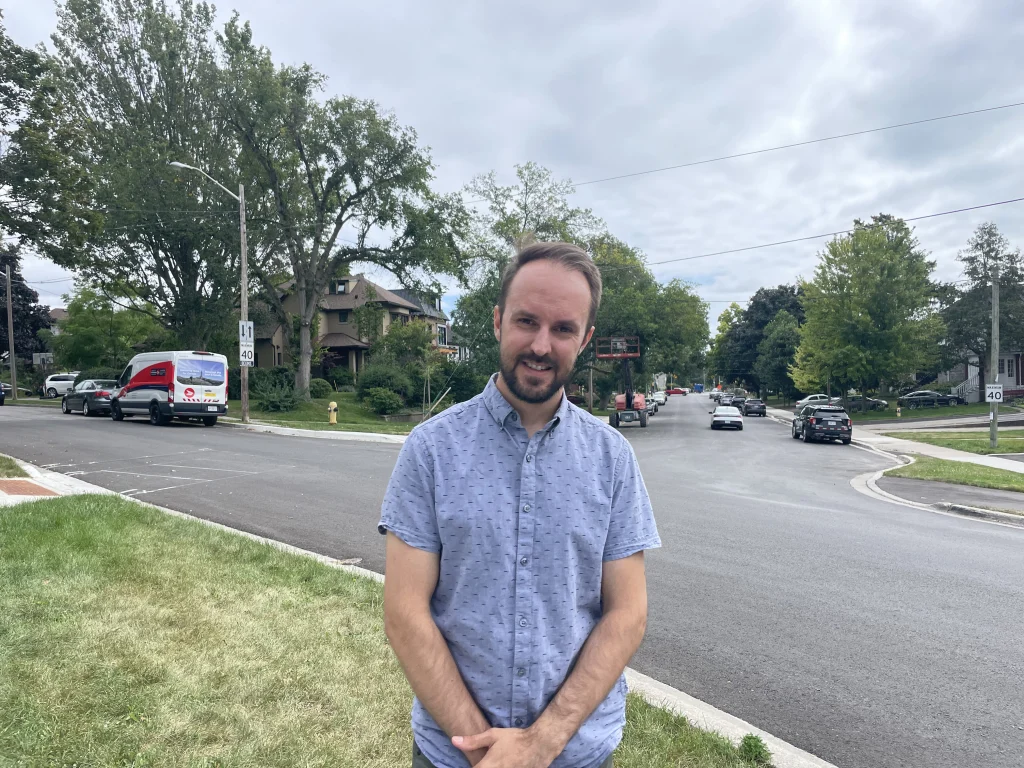
Sometimes, getting involved is the only way to get things done. Ask Eric Vanderwal, who helped his neighbours in Mimico-Queensway pave the way for a neighbourhood road safety plan after around 10 years of advocating to the City of Toronto.
“I think the support from the community and the community engagement was particularly important,” Vanderwal recently told The Green Line, explaining that City staff and councillors who didn’t live in the neighbourhood took time to buy into the concern and actually agree to do something about it.
Now don’t tell me there aren’t issues in the city that you’d like fixed.
“No matter who you are, the City’s civic processes and policies affect you in some way or another. The longer your transit is to work, the more your rent is, the worse that the air is in your neighbourhood, all those things are directly affected by your city and your municipal policies,” says Ahsen Bhatti, an expert in hyperlocal community development. “So if you care about those things, if you care about getting to work faster, paying less for rent, making more money, having it easier to get the education or the job you want, there’s a lot of value in being civically engaged, not only for your community but for yourself,” he adds.
How to be involved in your community
There are so many ways to be involved in your community during and beyond election season. Here’s a list of things you can do to solve your local problems or help others live better, too.
- Volunteer with or donate to local organizations. Many grassroots groups or charities also have central causes you might resonate with, here are some examples:
- Food banks and/or community fridges exist in virtually every Toronto neighbourhood and always need either volunteers or in-kind donations to increase food access.
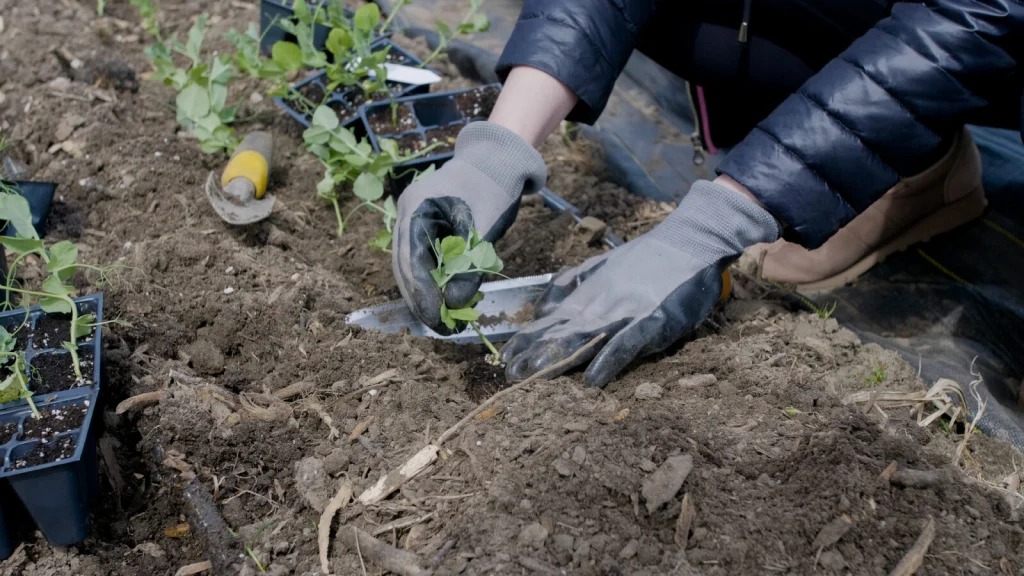
- Urban farms and community gardens often need extra hands to weed, seed and harvest. You can learn about them in our Action Journey on how to grow food in the city.
- Local environmental and climate action groups are quite active even within our city. They organize cleanups, wild restoration and more. For example, check out the Toronto Nature Stewards or Humber River Pals.
- You can also help out at animal rescue charities, like the Toronto Cat Rescue and Toronto Wildlife Centre.
- You can also check The Green Line’s Community Callouts in the Ripple Effect newsletter and our site for more shoutouts from local organizations needing volunteers or donations.
- Join neighbourhood groups. Toronto has tons of them in every area.
- Some are built to address hyperlocal issues, like the Moss Park Coalition, which focuses on equitable development and community engagement in a small catchment area.
- Others, while rooted in a neighbourhood, engage in global activism, like Toronto’s riding groups for Palestine.
- You should also check if you have a neighbourhood association, like in Long Branch or a residents’ council, like in Thorncliffe-Flemingdon.
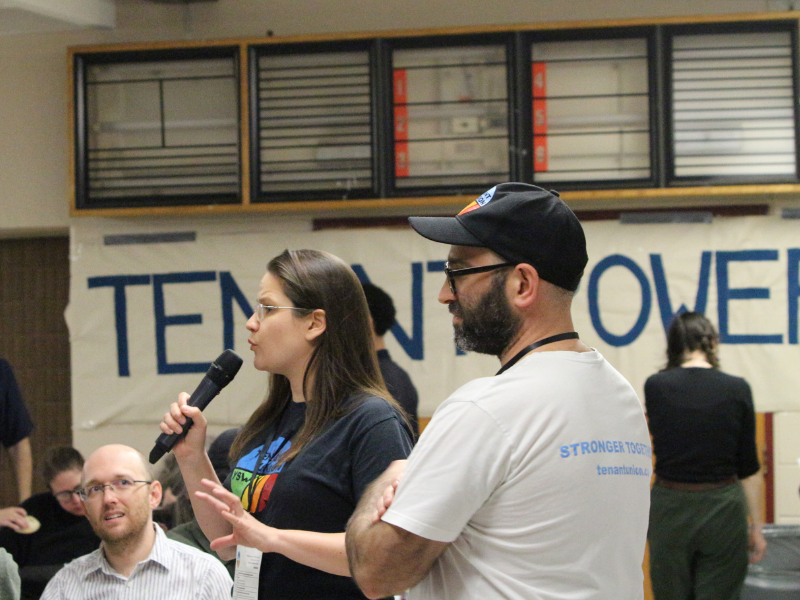
- Join your local tenant association or tenant union. We hear this at every single housing event hosted by The Green Line as a great method to fight for fair rent and stable homes. Check out this story about how Toronto’s Tenant Union can help you.
- Join your local land trust. This is also a popular recommendation we hear a lot. Read this story to learn how Chinatown’s land trust keeps the neighbourhood alive.
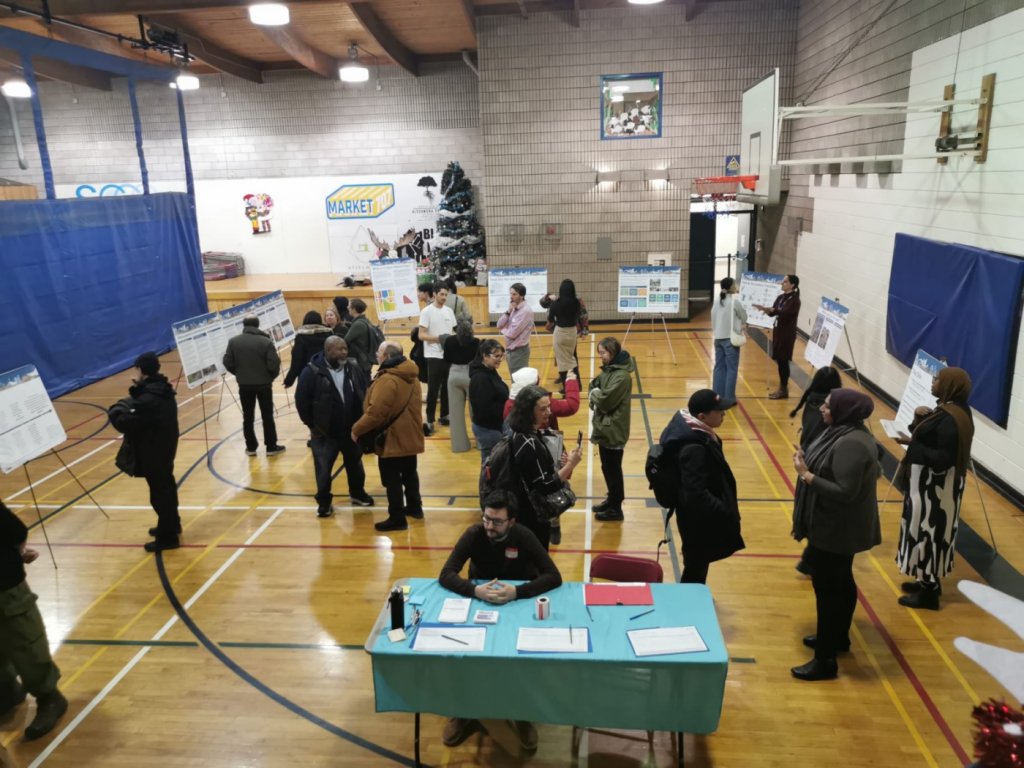
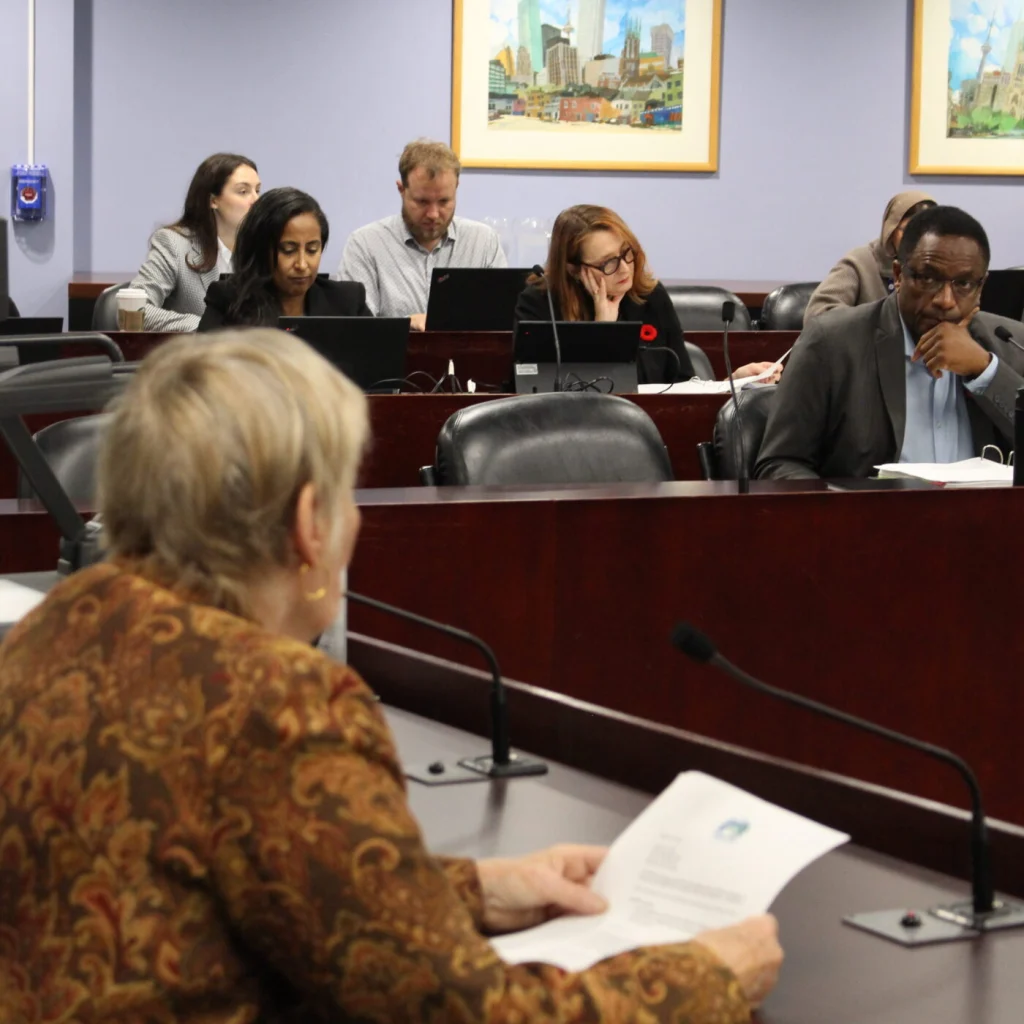
- Attend community consultations or make deputations at City Hall.
- Subscribe to your local councillor, MP and MPP’s newsletters, because they’ll tell you when there are consultations on projects in your area. They also often host town halls or coffee chats where you can give your two cents on what needs improving in the ward.
- Curious how to learn more about consultations? Check out this story on how to give Toronto your input on local projects.
- If you want to take it a step further and make a speech to committees or City Council, check out our deputation guide.
- Ask the City to implement a project for your neighbourhood.
- Learn what the City offers and who to ask.
- For example, if you want a road safety plan for your neighbourhood, like Vanderwal did for his, you can either ask your councillor to introduce a motion, or collect signatures and raise a petition to the City’s Transportation Services.
- Fundraise for organizations or people you care about. You don’t have to be an expert or activist to do this. If you want some creative (and lowkey fun) ways to fundraise, read through this Q&A with two friends who walked the green line (Line 2) to fundraise for food access initiatives.
- Raise awareness of issues you care about by creating and distributing flyers, putting up posters, knocking on doors or even hosting movie screenings. Remember, you don’t have to do it alone. Most organizations will already have the structure and experience to guide you through this. P.S.: If you’re going out to put up posters, make sure you’re doing it the legal way though, learn how here.
- Start a community garden. Watch this if you need convincing and then check this step-by-step guide if you’re ready to start your urban farming journey.
- Turn your condo into a real community. The Green Line has a step-by-step guide based on a successful building in North York to help residents turn their condos from “vertical siloes” into a warm and connected group that can solve common issues together.
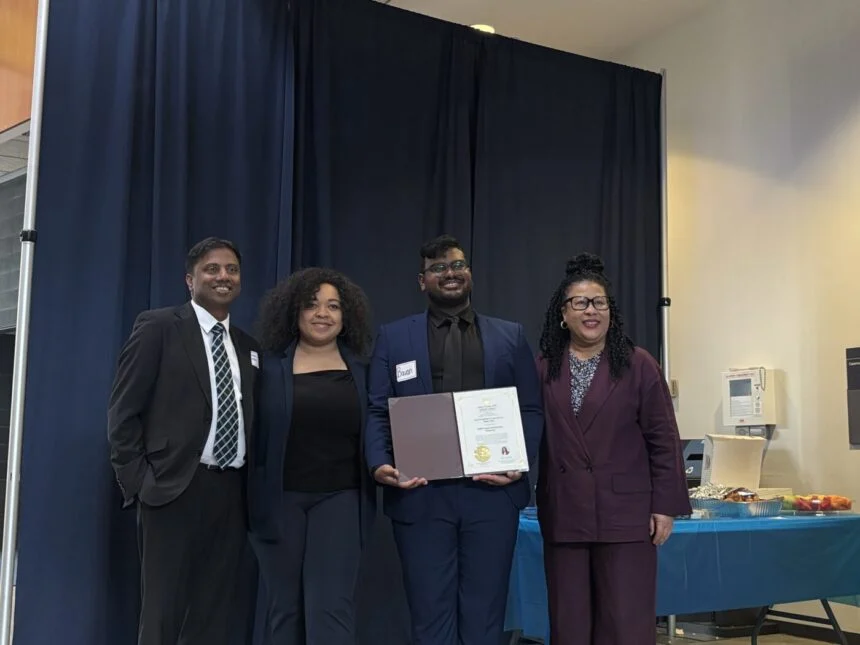
- Start a youth-led policy group. Learn how students at the University of Toronto Scarborough started their own hub for public policy innovation to address gaps in local representation and create opportunities for youth to research and present policy solutions.
- Host a block party as a protest. When the City of Toronto didn’t address flooding problems in Rockcliffe-Smythe to residents’ liking, they started organizing and part of it was hosting an educational block party. Get inspired by learning more here.
- Learn how to reverse an overdose. As the Ontario government ended funding for all of Toronto’s supervised consumption sites, there’s more need than ever for everyone to learn how to help people who might need life-saving naloxone. Check out our guide to get started.
Want easy, low effort things to do? Find petitions for causes you care about and sign them, put up a lawn sign to express support or reject issues that matter to you and amplify calls to action from groups that resonate with you.
If you want to hear more from people who’ve done it themselves, check out our Changemakers Q&As, where we interview Torontonians doing cool things for the betterment of their neighbourhoods.






Join the conversation