
This article is part of a videoseries on how Toronto’s Chinatown offers a blueprint for fighting gentrification-driven cultural displacement. Visit all four parts here to see the neighbourhood’s story unfold.
BECOME A GREEN LINE MEMBER TODAY
TL;DR
- The Toronto Chinatown Land Trust (TCLT) stewards land in order to ensure property stays in the hand of community members, not developers.
- The TCLT is partnering with the Hainan Family Association to create a senior daycare for people in the neighbourhood.
- The TCLT draws strength from other organizations with the same values, such as the Little Jamaica Land Trust.
- The TCLT focuses on strengthening community trust by meaningful consultation to enact change.
The Toronto Chinatown Land Trust says the fight against gentrification-driven displacement starts with building relationships, understanding community needs and stewarding land.
Gentrification can be understood as a “reinvestment of some sort into the built environment and then, that can translate into change,” says Julie Mah, an assistant professor at the University of Toronto. She says a “key defining feature of gentrification is whether displacement occurs.”
Mah says Toronto’s Chinatown is one of the neighbourhoods in the city that has experienced gentrification-driven displacement for a long time.
The Toronto Chinatown Land Trust (TCLT) was created in 2023 by the grassroots group Friends of Chinatown (FOC). Along with other land trusts across the country, it’s become a model for preserving cultural neighbourhoods and increasing community-controlled housing amidst waves of rising costs and displacement.
Today, it operates as a non-profit organization that takes land off the speculative market and stewards affordable housing for local residents.
But for TCLT, the effort lies beyond purchasing property. It includes making sure that the people who live, work and hang out in the neighbourhood have the opportunity to determine and shape its future.
“When people see Chinatown, you see the businesses, you see the festivals, you see these surface-level things that happen in this space that we call West Chinatown,” says Brian Chang, TCLT board member and treasurer. “But there’s so much [more]. I’d include land ownership.”
The fight for land ownership didn’t begin with the land trust itself — it began long before, with family associations.
“Chinatown is really a neighbourhood that continues to show up for itself over and over and over again,” says Cam Wong, acquisitions and stewardship manager at TCLT.
What are family associations and why are they vital?
Family associations were among Chinatown’s earliest examples of collective ownership and community power.
“A traditional family association is kind of like an original mutual aid organization in the neighbourhood,” says Wong.
During the Chinese head tax era, Canada imposed laws that didn’t allow individual Chinese immigrants to purchase land. That’s why they turned to each other in community and formed not-for-profit organizations, specifically family associations.
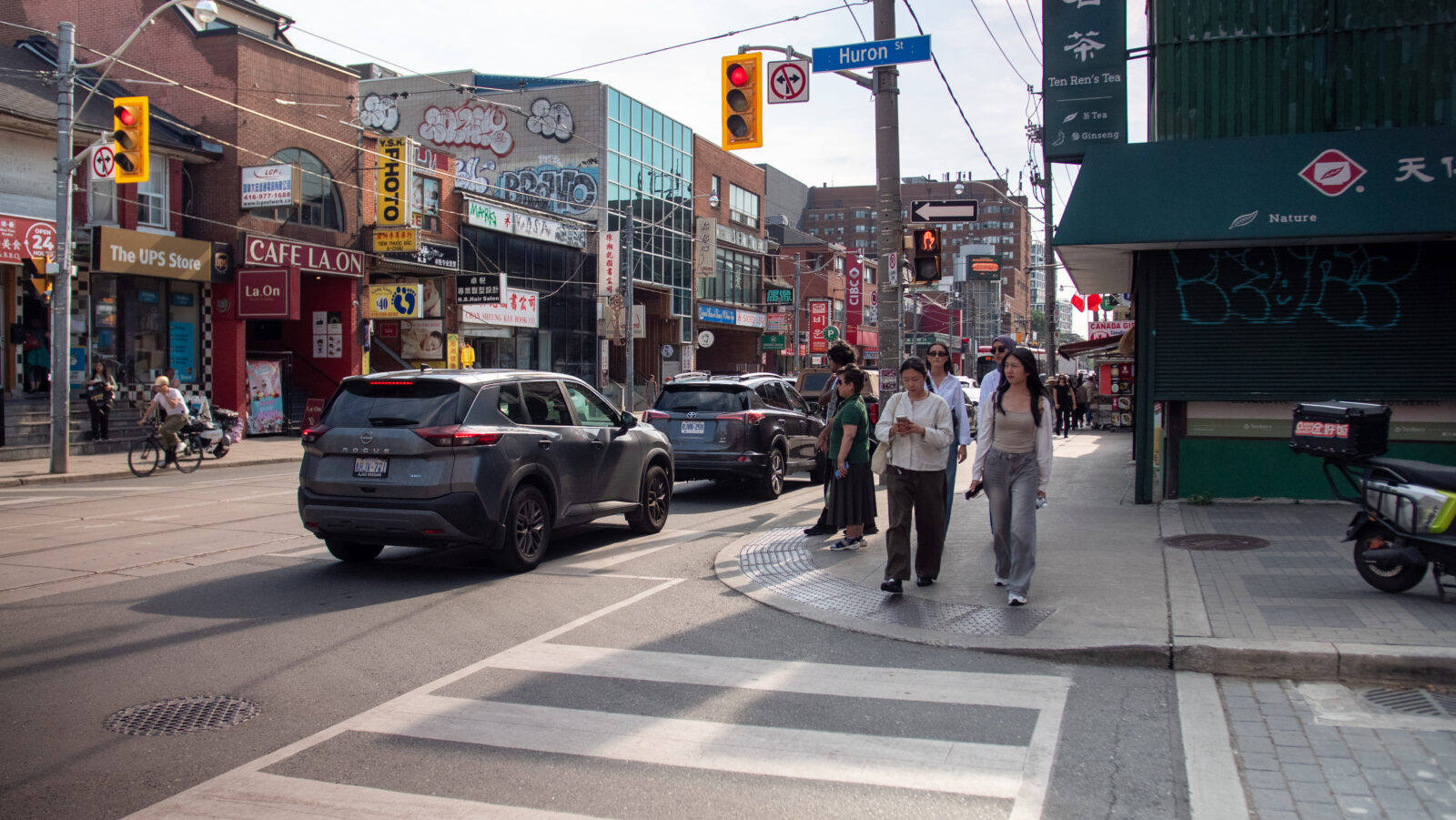
Family associations were initially institutions based on last name. For example, the Wong Family Association was made up of community members with the same surname. It can still be found today on Spadina Avenue.
These associations can also be based on interests, such as art or music, rather than just surnames. They’re spaces where you can find a warm bowl of food, as well as housing and employment resources.
These family associations have “been really essential to not only preserve the quality of life for community members that are living in the neighbourhood, but also preserve these really strong cultural ties that we have to our individual places or origins, or our last names or our particular interests or cultural practices,” says Wong.
Today, TCLT is building on these family associations’ legacies by partnering with them to preserve culture, ensure land ownership and fight gentrification-driven displacement.
How TCLT partners with existing local organizations
Four years ago, local researchers started looking into the family associations located in Chinatown to understand why they exist, how they were formed, the practices they currently engage in and the struggles they face.
On , the TCLT held a community reportback in which it shared the results of this research, as well as a special announcement based on the findings.
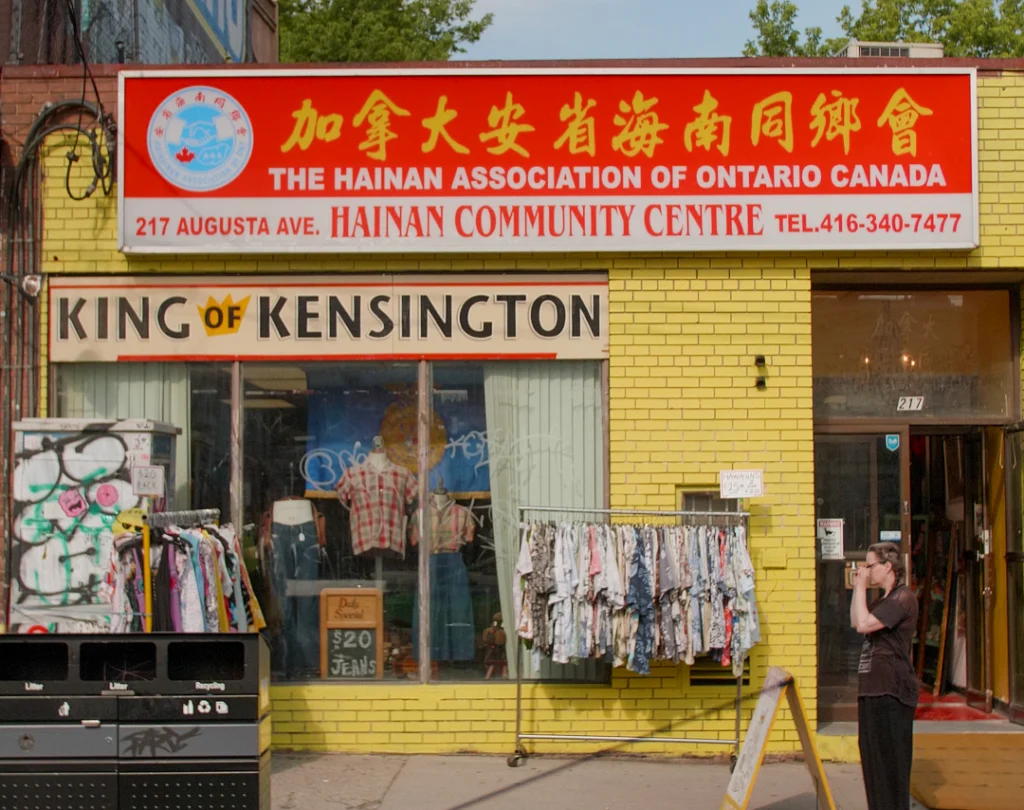
The land trust will be partnering with the Hainan Family Association to revitalize its commercial space, located at 217 Augusta Ave., and create a senior daycare. It’ll be a space where association members can drop off their parents, but there’s a dream to build additional seniors housing on top of the site.
Wong says the partnership came to be through conversation and understanding the community’s challenges.
“When we were listening to the Hainan Association talk about all of the dreams that they had of building a seniors daycare and building affordable housing, we were like ‘Okay, well, there’s actually a City grant that’s available for that,’” says Wong.
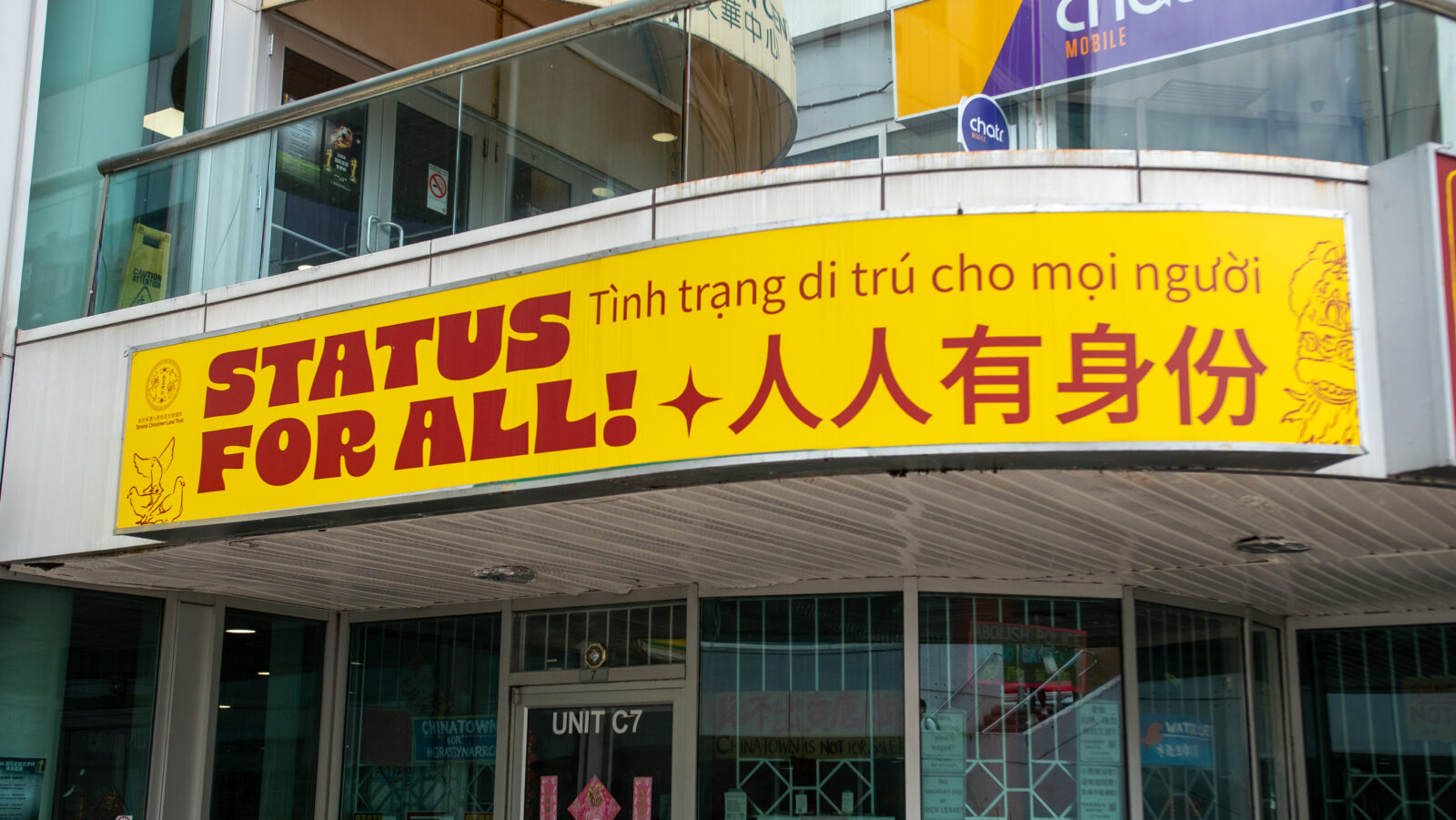
They say that a lot of these organizations are volunteer-run and don’t have the capacity to navigate complicated city bureaucracies.
“And so, as the land trust, that’s where we feel like we’re able to lend our skills into this process to help not only preserve these existing community sites, but also think about how we might expand them,” they add.
Wong also says it’s an exciting project for the land trust to learn from these longstanding community stewards.
“We’re bringing in some of our skills and knowledge from the development and planning industry,” says Wong. “But I think what we’re really actually relying on here is the deep historic knowledge of the Hainan Association — the deep community community ties that exist on that site.”
When a property like this stats in the hands of the local community, it becomes easier for residents to avoid the displacement that impacts Chinese businesses, homes, organizations and people when new developments come in.
For the TCLT, this is done by combining research and community partnerships to strategically preserve the neighbourhood. Members shared tips for other communities who are facing similar pressures.
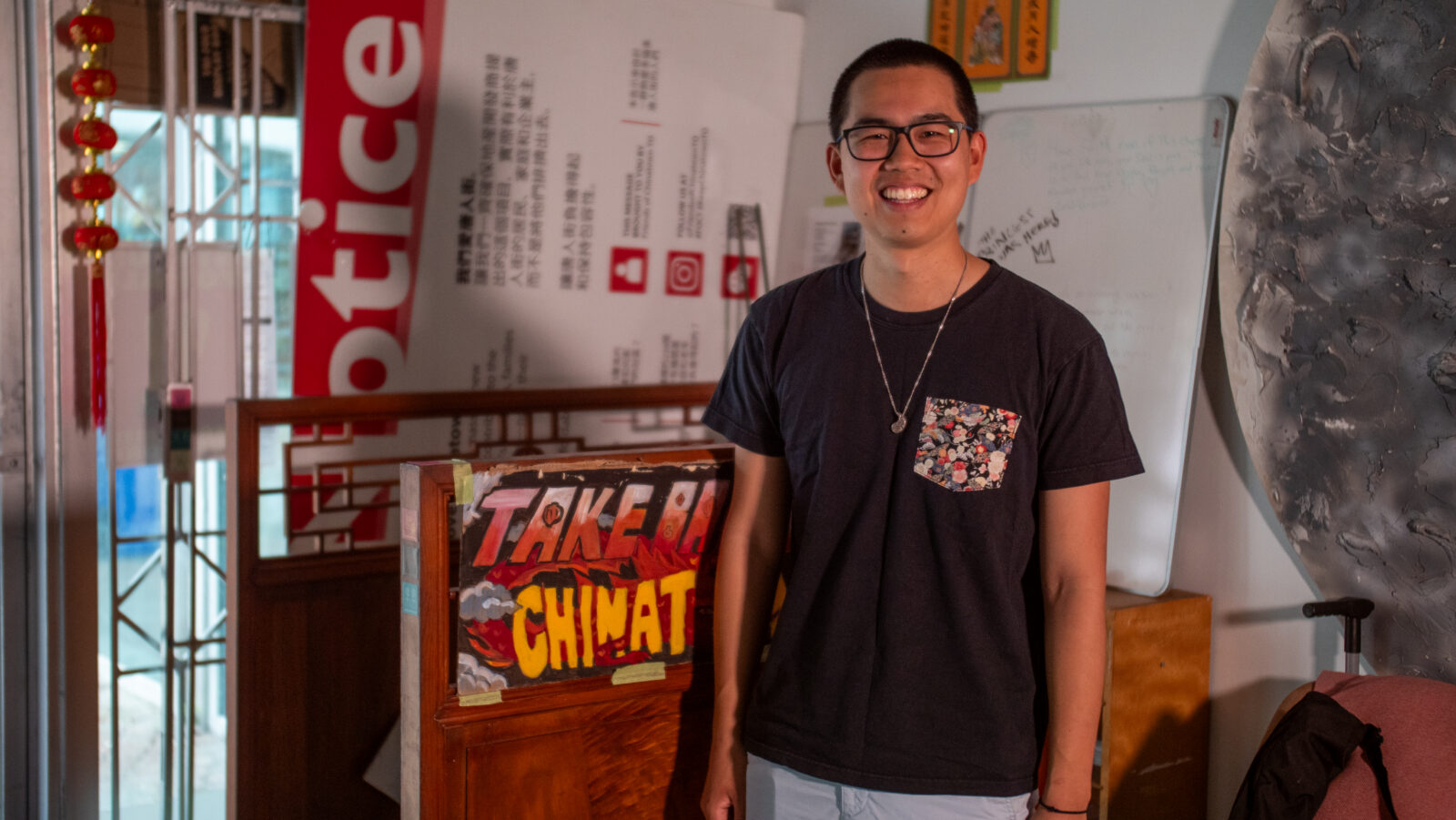
How to draw on collective power as a land trust to make meaningful change
1. Build trust with community members by providing the opportunity for involvement
“The biggest thing for us is always going to be our relationships,” says Wong. “Our biggest success has been our ability to build really trusted relationships with people over a long span of time.”
- People can get involved with the Toronto Chinatown Land Trust whether they live, work or play in the neighbourhood — or even just generally care about it, says Wong.
- The board members encourage people to attend events, volunteer, donate and get involved wherever they can — even if they’re not Chinatown residents.
“What I found about West Chinatown is that every single organization is really willing to bring people in,” Wong adds.
2. Work with community organizations that exist within and outside the neighbourhood
Relationships with other mutual aid organizations and land trusts has been essential in developing and strengthening anti-displacement strategies and plans for the TCLT.
“We’re all experiencing gentrification and displacement for slightly different reasons,” Wong says. “But I think we’re really moving towards, collectively, this goal of community power and providing people with the opportunity to have a really strong say in the land use decisions that are being made in their neighbourhood.”
The organizations that TCLT works with include Chinatown-based Long Time No See, a Chinese non-profit collective of artists, as well as organizations in different neighbourhoods, such as the Parkdale and Little Jamaica land trusts.
3. Identify the community needs through meaningful consultation
The TCLT consistently meets and hears the needs of the neighbourhood residents by involving them in the research process, as well as by making board meetings open to anyone.
“What our responsibility is to the neighborhood is to go back to them and say, hey, what are the challenges that we’re facing as a neighbourhood?” says Wong. “What do we feel like the gaps that are missing are, and what do we actually need to build on this site?”
Chang says that a lot of people look at preservation practices, land trusts and cultural programs and think that it means the community wants nothing to change — as if residents are saying that things should be left exactly the way they are.
“And that’s just not true,” says Chang. “The distinction is that we want to be the ones who have a say in how it changes.”
Join the conversation