
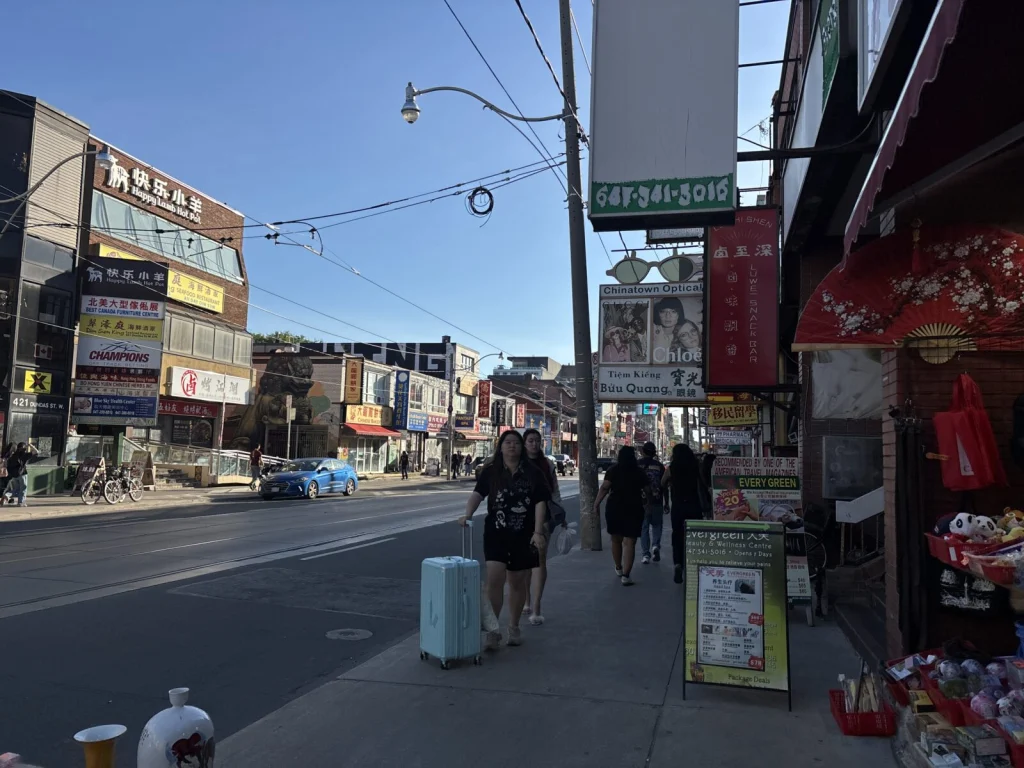
From Little Jamaica to Little Iran, accessing these ethnic enclaves in Toronto provides more than just food and fun — it’s an opportunity for diasporic groups to connect with their faraway home.
When my family first immigrated to Canada, we settled in Mississauga, Ont., to find comfort with other Iraqis and Arabs. Back then, halal food was limited, and the community was small, but now, head anywhere around Erin Mills and Ridgeway Plaza, and you’ll wonder if you’ve teleported to an Arab country.
Toronto is filled with these cultural districts — bursting with culture, tradition, history, smells and vibrant people. These neighbourhoods and communities are essential to the survival and success of immigrant and diasporic communities.
The Cultural District Program is set to recognize and help fight against commercial displacement. The program wants to recognize these five communities as the inaugural cultural districts:
- Little Jamaica
- West Chinatown
- Church-Wellesley
- Little Iran
- Bangla Town
- Little Jamaica
- West Chinatown
- Church-Wellesley
- Little Iran
- Bangla Town
There’s a sense of community, pride and comfort in knowing that you are one of many, and that you aren’t standing out.
So if you’re ever in the mood to figure out where to get yummy cultural food, clothing, music and fun, I’ve rounded up a few of the official and unofficial cultural districts in the city.
LITTLE PORTUGAL
Located between College Street and Dundas Street West on the north side, Dovercourt Road to the east and the GO train tracks to the south and west, this area is home to tons of Brazilian and Portuguese.
Portuguese immigrants first started making waves and settling in the city in the early 1950s.
The neighbourhood is known to have some of the best pastel de natas in the city — Portuguese egg custard tarts.
Give Bom Dia a try, located at 1205 Queen St. W. Reddit users rave about them, with one person saying it’s the closest thing to what you get in Lisbon.
At the footer of their website, the Little Portugal Business Improvement Area even lists what transit routes to use to visit the area and the number of Bike Share terminals.
GREEKTOWN
Located on Danforth Avenue, between Don Valley Parkway and Luttrell Avenue, this strip is one of the most beautiful places in the city.
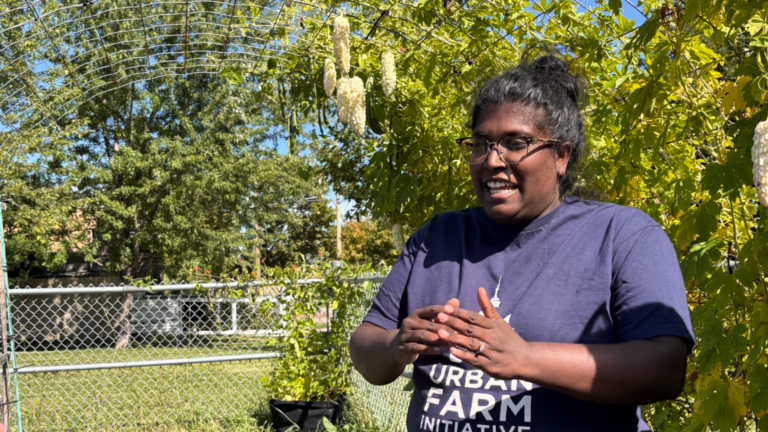
You’ll also find the Carrot Green Roof and Garden, an urban resource and community hub for people looking to grow and relax in the middle of the city. Head over to 348 Danforth Ave. to connect with nature and each other.
Unsure how to navigate the roof? Check out everything you need to know about the oasis. And if you’re interested in participating in seed saving, learn from Carrot Green Roof and Garden’s Sydney Jinjoe on how to do so.
It’s also home to a bunch of cafes, restaurants and bars.
The first Greeks came to Toronto towards the end of the 19th century, primarily in neighbourhoods between Yonge Street, Church Street, Dundas Street and Carlton Street. But after the 1918 riot, and especially after the second wave of migration in the 1950s and 1960s, Greeks found a new home on Danforth Avenue.
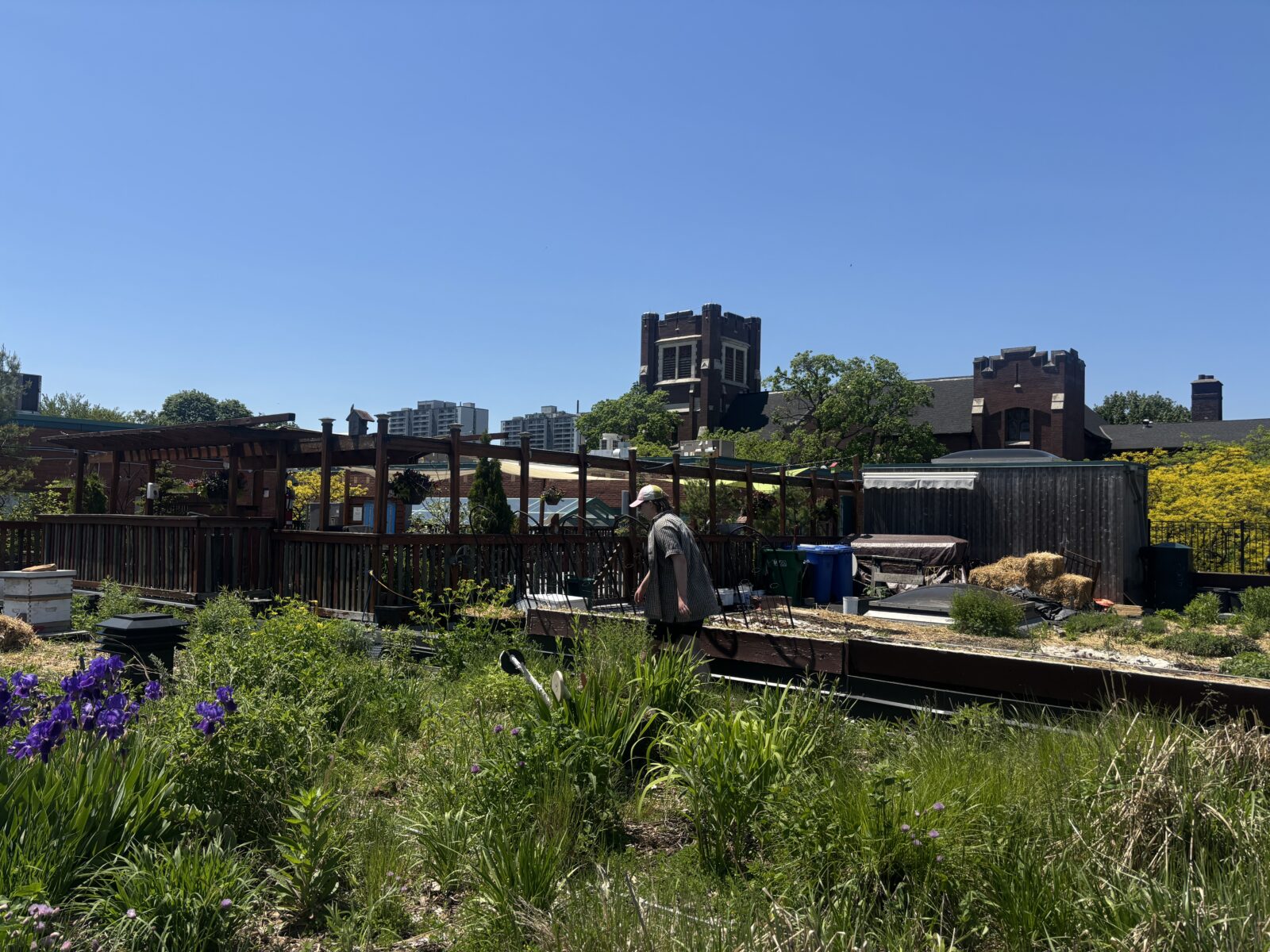
📸: Aia Jaber/The Green Line.
CHINATOWN
Chinatown’s existence is rooted deeply in culture and history. West Chinatown is situated mainly between Spadina Avenue and Dundas Street West, while East Chinatown is along Gerrard Street East.
You can still see remnants of Old Chinatown, a couple of minutes from the CF Toronto Eaton Centre, through long-standing businesses like Yueh Tung Restaurant at 126 Elizabeth St. The first Chinese immigrants resided in Old Chinatown in the late 1800s.
Old Chinatown continued until the late 1950s and early 1960s, when the City of Toronto decided to build City Hall and eventually, Nathan Phillips Square — without consulting the community.
By 1958, two-thirds of Chinatown was “expropriated,” meaning private property was seized from its owners. And thus, gentrification eventually pushed Chinese residents and business owners west along Dundas Street West due to high costs.
Both remaining Chinatowns offer a variety of food, faith, dancing and more. If you’re in the area, check out my all-time favourite food spot — Magical Taste of China at 476 Dundas St. W.
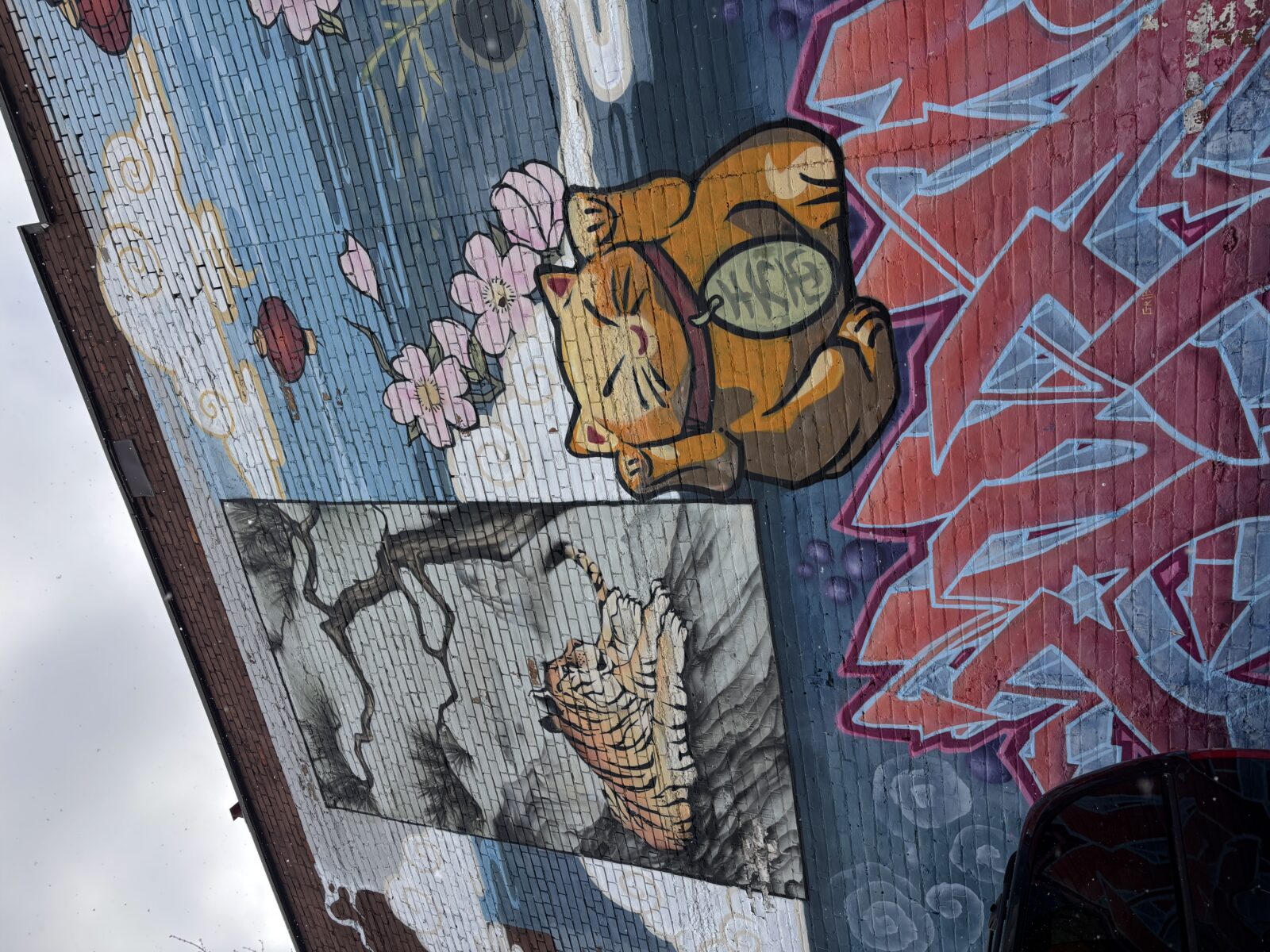
📸: Aia Jaber/The Green Line.
LITTLE INDIA
Located along Gerrard Street East, from Greenwood Avenue to Coxwell Avenue, this cultural district is also known as Gerrard India Bazaar.
This neighbourhood is home to many people of Indian, Pakistani and Bengali heritage. If you’re in the area and you’re craving some yummy food, you can check out our team’s favourite — Chai Culture – where you can find some of the best samosas and fun board games.
I’ve done a few stories on all that Little India has to offer, from where to find traditional South-Asian clothing to what South-Asian street art means.
Little India’s origins are a little different than most of the city’s ethnic enclaves. The cultural businesses were established in the area because of commercial conditions, and that’s what drew the community in, rather than the businesses being built there because South Asians already lived there.
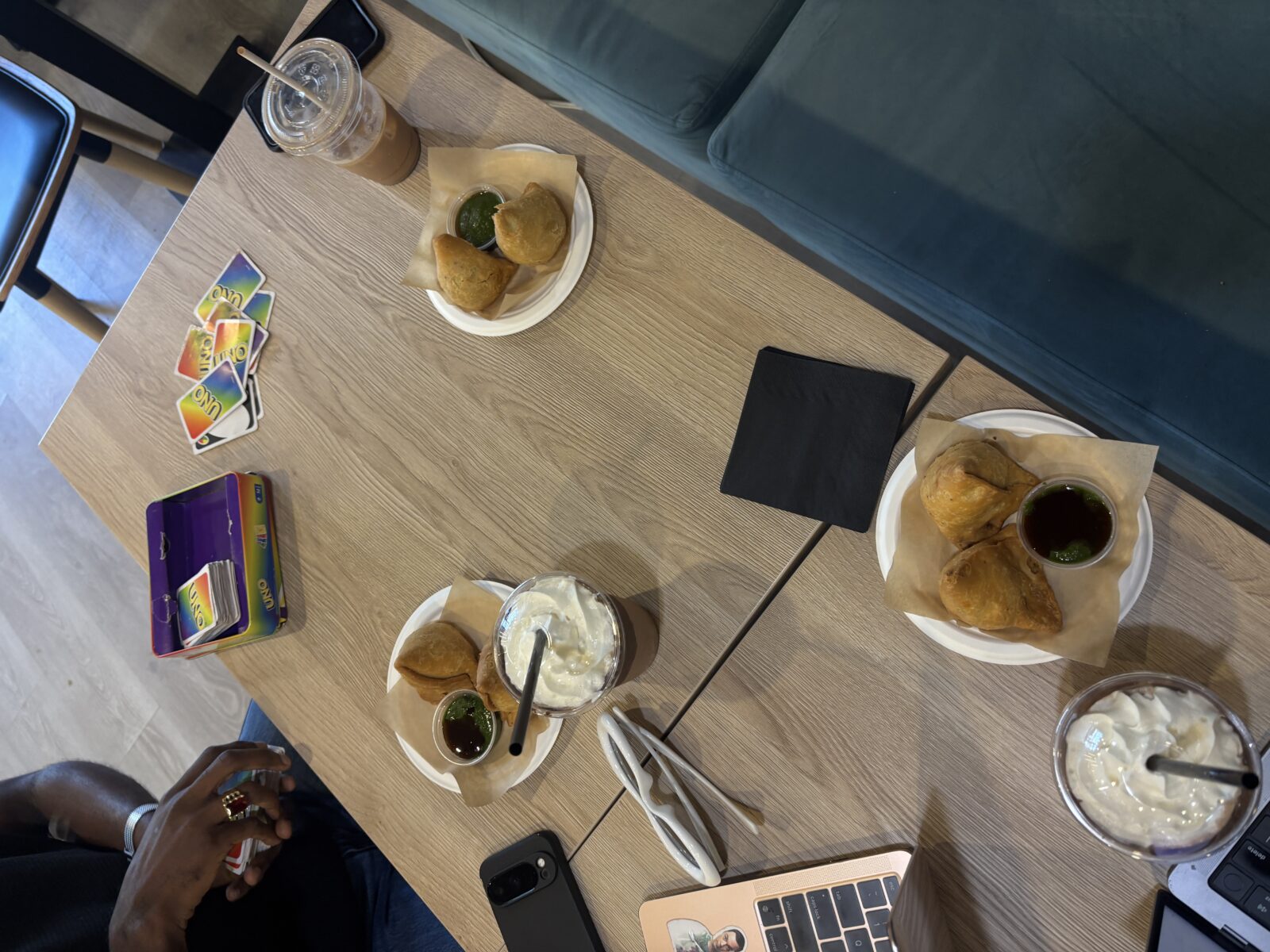
📸: Aia Jaber/The Green Line.
LITTLE ARABY
Located along Lawrence Street West, with an emphasis on the Wexford Heights Plaza, Arab populations have long existed in this part of Scarborough and brought yummy, revolutionary shawarma to the city.
From legends like Ghadir Meat and Restaurant to newer spots like Farooj Abo Alabed, this strip is compared to Ridgeway Plaza in Mississauga because of the recent boom in South West Asian and North African (SWANA) businesses.
This area has people from Lebanon, Iraq, Palestine and Syria, as well as other neighbouring Arab countries.
Check out the Wexford Heights Plaza BIA to learn more about what’s offered there.
Well, there you have it, five ethnic enclaves in the City of Toronto that you can access for food, culture, history and vibes. Is there one you really want to see on the list? Email me at aia@thegreenline.to so I can include it next time.
Fact-Check Yourself
Sources and
further reading
Don’t take our word for it — check our sources for yourself.
Join the conversation