


TL;DR
- Seed saving is the practice of collecting fruit and vegetable seeds from one growing season to replant them.
- Seed saving helps preserve biodiversity and cultural food traditions.
- You don’t need a whole garden to practice seed saving; you can do it in your backyard or your balcony.
- Seed libraries and seed-saving organizations, like the Carrot Green Roof and Garden, can help beginners learn the process.
Seed saving helps preserve cultural identity — from Palestine to Toronto’s balconies.
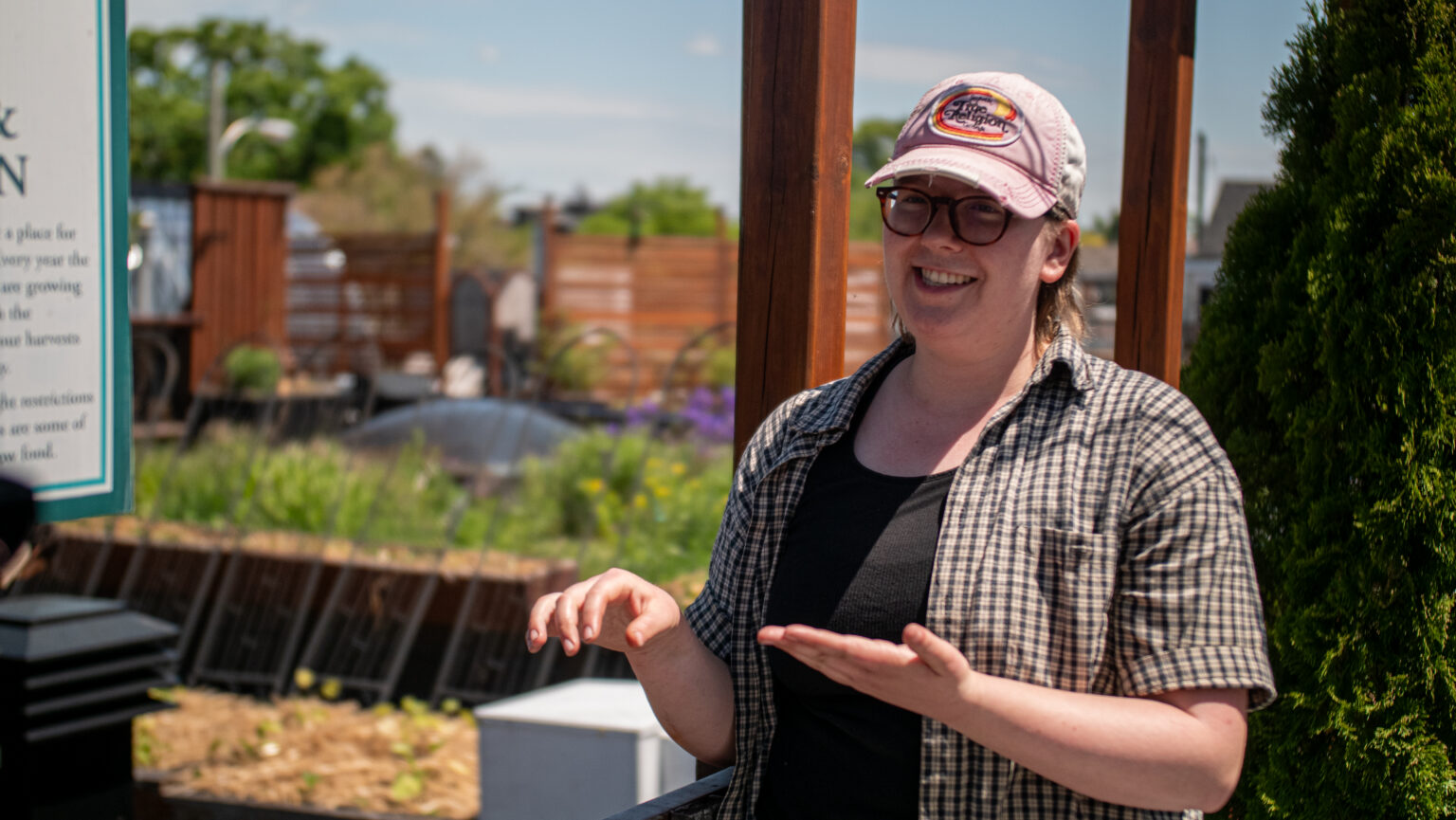
At the Carrot Green Roof and Garden, located at 348 Danforth Ave., Sydney Jinjoe shows us the fruits and vegetables they grow at the facility.
In a pocket of soil within the garden, okra grows. In the greenhouse, Palestinian heirloom tomatoes stay warm. Jinjoe says they’ve also grown jarjir (Palestinian arugula) and Aleppo peppers from Syria.
BECOME A GREEN LINE MEMBER TODAY
Volunteers are allowed and encouraged to take produce home. A lot of the fruits and vegetables also go to the CommunityFridgeTO project. But everyone knows to leave the Palestinian crops untouched for seed saving.
What is seed saving and why does it matter?
Seed saving is the process of taking seeds from one harvest to use in the following season. In other words, you pick a nice fruit or veggie, let it ripen on the plant, and only pick it at the end of the summer — not to eat, but to extract and dry the seeds. Farmers and gardeners have done it for centuries.
It’s cost-effective to use your own seeds; you don’t have to buy new ones from big commercial companies. It’s also an important part of climate resistance: When farmers re-use seeds of plants they grew themselves in their own land, the crops are more likely to be diverse and adapted to their environment.
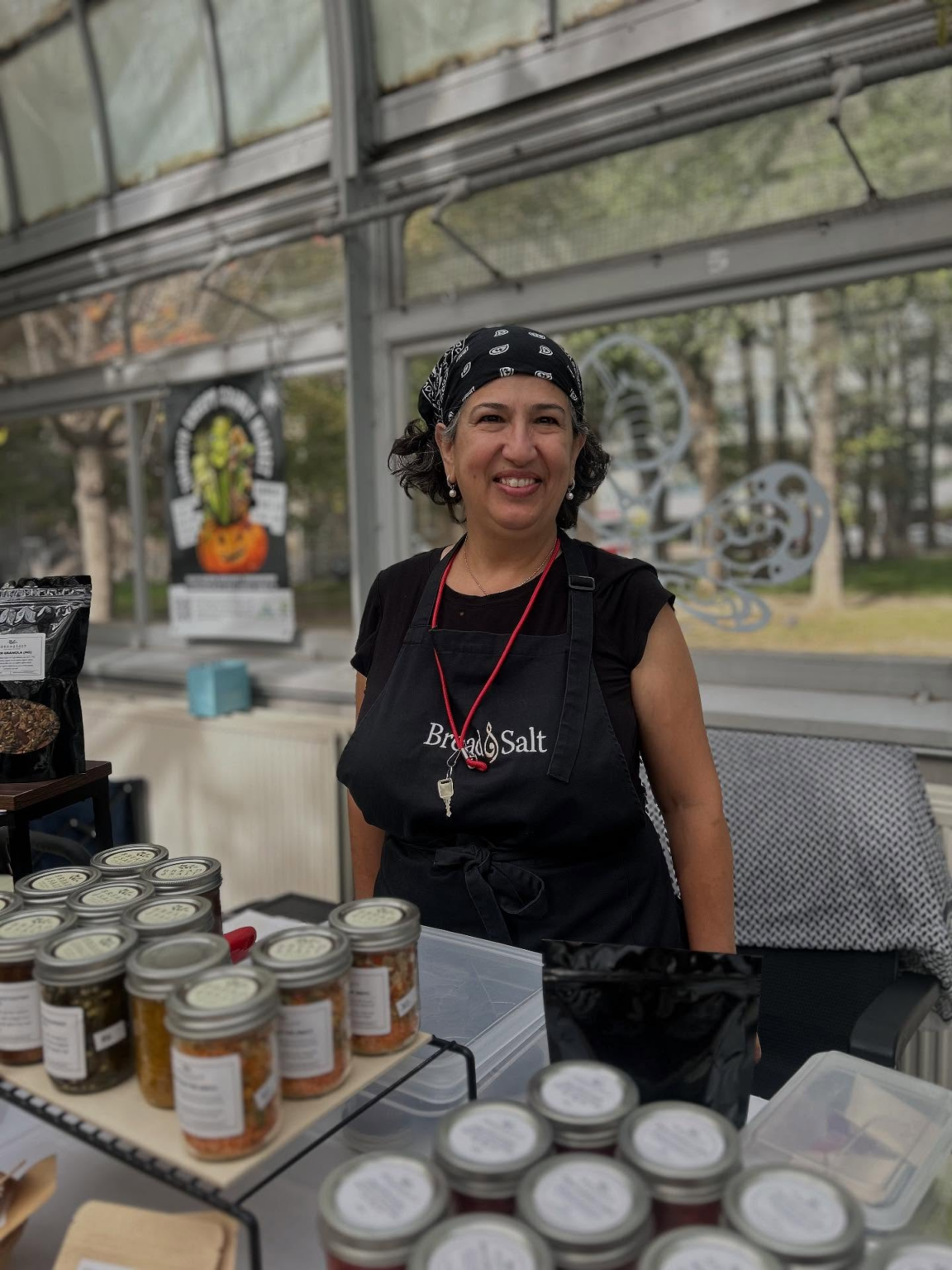
For Palestinian crops, seed saving takes on additional meaning. “The first thing [people facing displacement] pack in migration is seed,” says Tharwat Awamleh, a Jordanian activist and founder of Bread and Salt Fine Food — a company dedicated to sharing food and bridging cultures.
As Palestinians and other diasporic groups face displacement, the practice becomes a way of preserving cultural heritage.
Awamleh says seeds are a tool to fight famine, but they’re also a means to keep tradition, food and history alive.
“[Seed saving is] a big part of committing to the future of Palestine and the preservation of Palestinian culture,” says Jinjoe who looks after Palestinian crops at The Carrot Green Roof and Garden.
📸: Lucas Bustinski/The Green Line.
The Danforth rooftop isn’t the only place to save Palestinian seeds.
In 2014, Vivien Sansour, a Palestinian multimedia artist, created The Palestinian Heirloom Seed Library, a global initiative that preserves seed varieties passed through generations in Palestine — in farms around the world.
The urgency of that work is clear when looking at the status of Palestinian seed-saving facilities. On July 31, 2025, Israeli forces bulldozed the seed multiplication unit at the Union of Agricultural Work Committees’ local (and only) seed bank in the West Bank.
In an interview with Toronto’s Food Share in 2024, Sansour said that the idea for a seed library was born out of a desire to keep her culture alive.
“I don’t want my food, heritage, my whole history to be history,” she says. “I wanted for it to be a living culture.”
The importance of seed saving extends to all diasporic groups — especially those who belong to countries threatened by displacement, exile or erasure.
Indigenous communities across Canada also save seeds for cultural and social reasons.
Jinjoe says people visiting the garden have told them they feel connected to culture through planting.
They often encourage the Palestinian Toronto community to come and take seeds or be a part of the growing process.
“[Seeds are] powerful. [They’re] revivers. It’s like reviving people, land, grain,” says Awamleh. She thinks of her seeds as time capsules for bad days. “If you asked me what I would put for the next generation, it wouldn’t be a memory, it would be a seed.”
How to save seeds
1. Choose a crop you want to grow
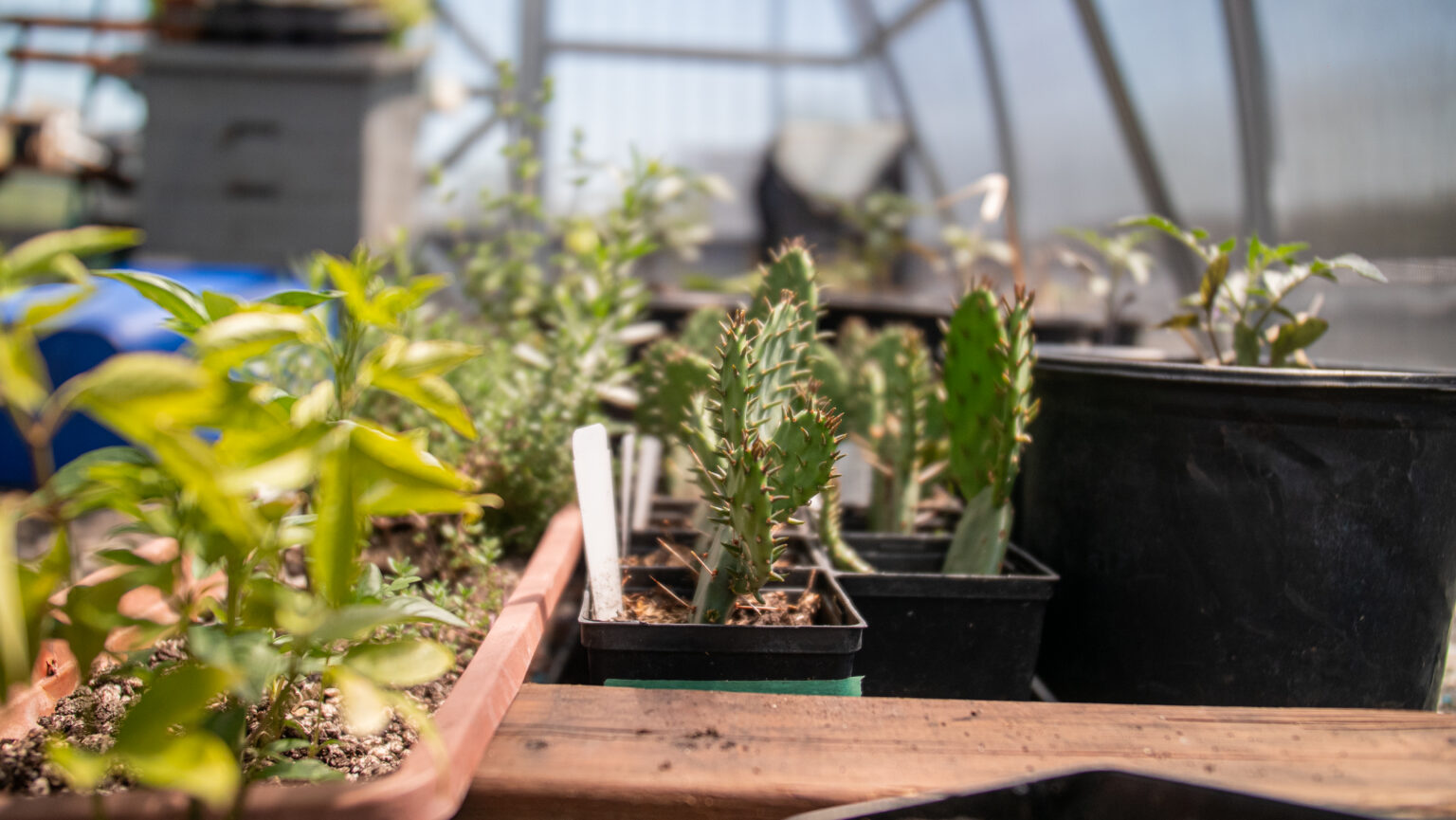
Jinjoe suggests starting small with herbs, greens or native plants that naturally grow in your region.
They say that it’s important to gain some experience before trying to grow rare or unique crops, because some seed libraries aren’t willing to give them out unless you’re a seasoned gardener.
“With these crops that are sometimes quite endangered or the place they’re from is experiencing a lot of pressure through violence, the viability is pretty important,” says Jinjoe. “So [the seed libraries] won’t give up seeds if you don’t have a bit of experience.”
They say to start with herbs because they’re relatively easy to take care of since they’re low-maintenance.
2. Get starter seeds
To get your first batch of seeds, both culturally significant or native, you can head out to one of a dozen branches of the Toronto Seed Library or visit the Carrot Green Roof and Garden.
Most seed libraries collect and store seeds to share with community members. You can take the seeds around planting time in May. At the end of the growing season, you’ll have to return a portion of your new saved seeds to the library.
Awamleh also suggests for people to join community gardens, even if you live in an apartment. She says Allan Gardens does seed exchange sessions for free and hosts workshops.
3. Resist the urge to harvest everything
Seed saving can’t happen if you’re eating everything that’s being produced. Avoid picking every vegetable, herb and flower for consumption. Leave some plants long enough to complete their life cycle.
📸: Taken from the Friends of Allan Gardens Instagram.
5. Store the seeds
Storage is key to ensuring the seeds remain viable for future growing seasons. Once cleaned, the seeds are dried and stored to be planted again.
Some seeds can last for years, but their ability to germinate eventually declines.
“So if you’re growing them out each year and you’re saving it each year, the germination rate, as long as you’re maintaining isolation, just should stay the same,” says Jinjoe.
Some people store their seeds in a plastic bin kept in a cool, dark room. This article says many growers put them under their beds.
6. Share the seeds
The more people grow a crop or variety, the better the chances of survival for future generations.
Jinjoe says increasing the number of seeds makes it easier for people to access culturally significant crops.
Seed sharing is a sustainable and strategic approach to even thriving during tough periods. When the pandemic hit, Awamleh said she grew a lot of produce with seeds from around the world. She says it feels like she’s bringing the world with her.
“Sharing is not only charitable,” says Awamleh. “I think it’s the most ethical thing we can do.”
📸: Lucas Bustinski/The Green Line.
TIP: Don’t be afraid to fail
Jinjoe says people are afraid of killing the plant.
“If you’re trying to experiment and it doesn’t work out, you didn’t do something bad,” they say. “I think that people get worried about that, but the best way to learn how to garden is just trying.”
They say they’ve learnt so much through trial and error themselves.
Only have a balcony to grow in the city?
“Balcony is totally possible,” says Jinjoe. “The biggest limitation with your balcony is going to be the sun.”
If you’re looking for a guide on how to make your own balcony garden, keep an eye out for a Green Line guide by our resident balcony gardener, Julia Lawrence.
Senior Editor Yara El Murr’s Action Journey on growing your own food in Toronto is also coming out soon. If you want to learn all about your produce, where it’s coming from, what food deserts mean and how to navigate growing your own food, stay tuned.
Subscribe to our Weekly Roundup or follow us on socials to see our guide and issue when they launch.
Fact-Check Yourself
Sources and
further reading
Don’t take our word for it — check our sources for yourself.

Join the conversation