

TL;DR
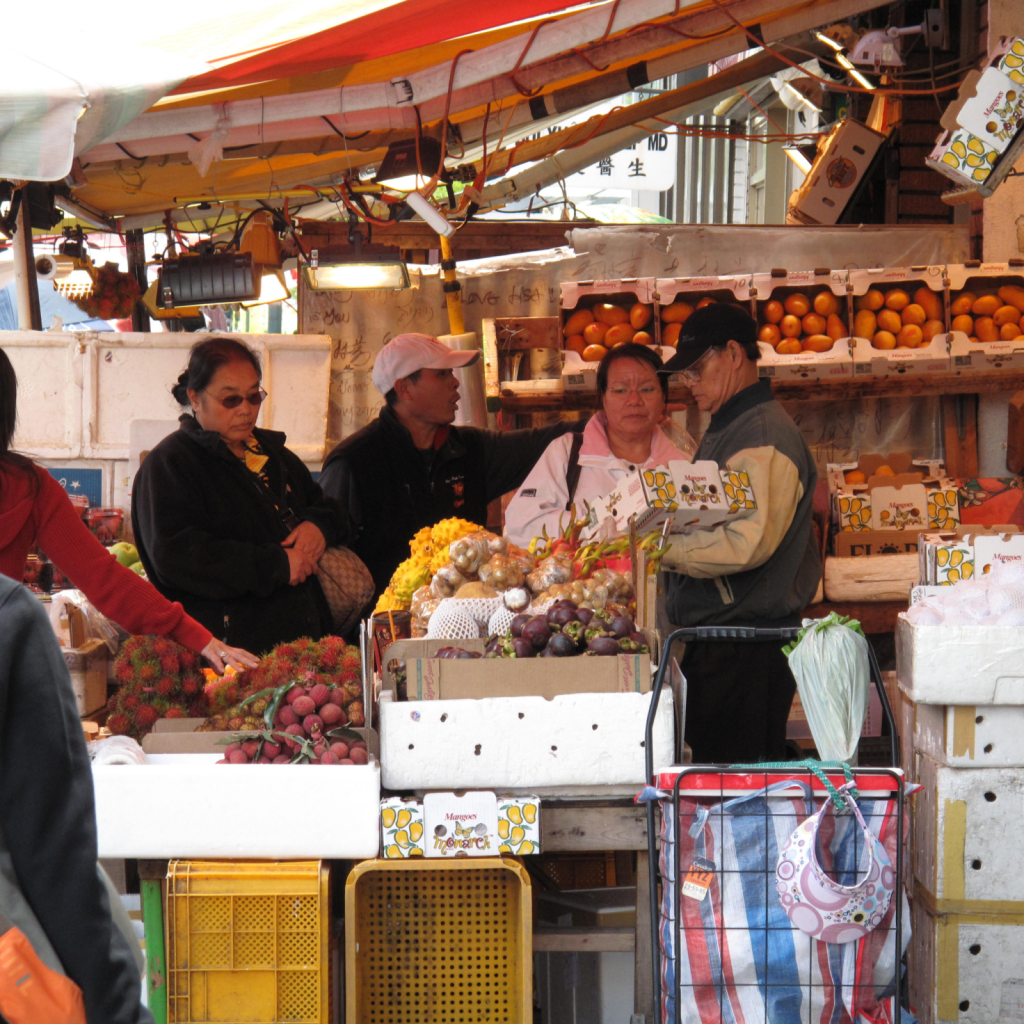
- Chinatown businesses are more than storefronts. They’re gathering places where culture, relationships and community are built across generations.
- Cultural businesses in Toronto’s ethnic enclave face the risk of displacement and erasure due to rising costs, new development and urban planning that excludes them.
- Business owners can strengthen their communities by sharing their stories, collaborating with one another and creating spaces where people feel they belong.
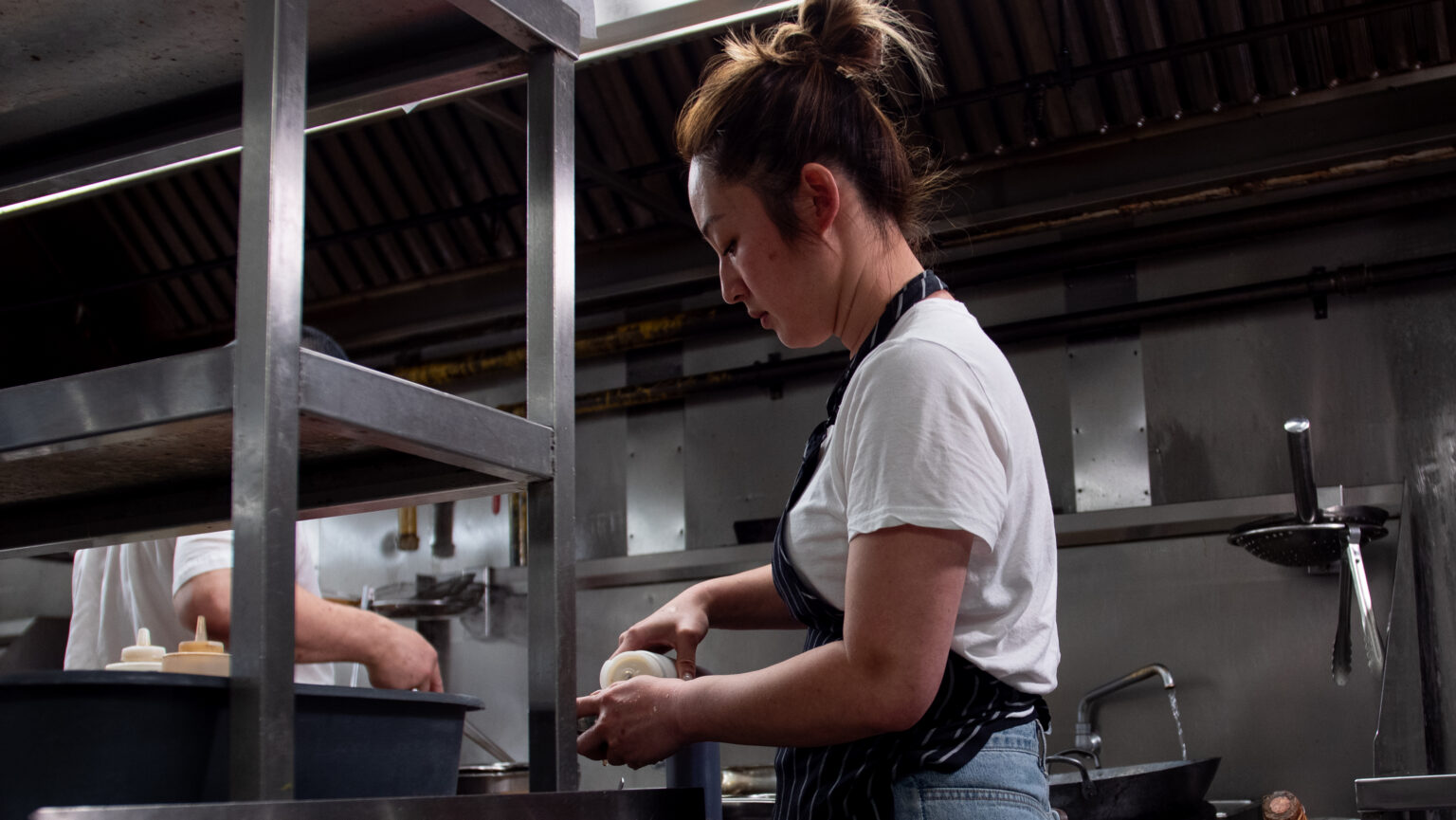
📸: Lucas Bustinski/The Green Line.
Businesses in Toronto’s Chinatown are hubs for connection, resilience and history — and their displacement and erasure strips away at the neighbourhood’s identity.
“Businesses aren’t just businesses,” says Hannia Cheng, a Chinatown artist and advocate. “They’re integral to strong communities. They’re key to communication networks and gathering people through every aspect of their life.”
For Joanna and Jeanette Liu, second-generation owners of Yueh Tung restaurant, their family’s business was never just about serving Hakka food.
BECOME A GREEN LINE MEMBER TODAY
Their parents came to Canada and didn’t belong to the larger demographic of Chinese diaspora. That’s why they created Yueh Tung, the first Hakka restaurant and one of the only remaining original Chinatown businesses. Their goal was to create a community for their Hakka diaspora and to serve foods from back home.
That sense of community would later become the very thing that saved the restaurant when it faced difficulties keeping its doors open after the COVID-19 pandemic.
Around the same time, Chinatown leaders took notice of a high-rise, luxury condo proposed to be built on Spadina Avenue.
The community was frustrated with the development. It was going to drive up costs of housing and commercial space in the area, while displacing beloved Chinatown businesses.
So, the community mobilized, artists created a fake development sign in Chinese and young changemakers created Friends of Chinatown — a grassroots, volunteer-led group that focuses on the preservation of the neighbourhood. That group later led to the Toronto Chinatown Land Trust.
Businesses as gathering spaces
Businesses can become gathering spaces when customers are treated as community rather than sales. At Yueh Tung, comfort and belonging are at the core of its mission.
In part two of the Chinatown community series, Joanna and Jeanette Liu spoke about the power of deputing and how their community gave them the strength and opportunity to become a voice in fighting against cultural erasure.
The restaurant is one of the few remaining original businesses located in Old Chinatown. The Liu sisters say that in fighting to keep their restaurant open and in welcoming people, community members started seeing them as symbols of the neighbourhood.
“We didn’t realize that we were so ingrained in their community as well too,” says Joanna Liu.
Jeanette Liu says fighting for their restaurant in Old Chinatown means preservation for all three Chinatowns.
“Being the last ones, if they let this little piece of Chinatown die, who says East Chinatown isn’t going to go? Or West Chinatown? Where will our community gather?” says Jeanette Liu.
Cheng says businesses like this are important venues for big milestones, like weddings — and they’re equally important as day-to-day community hubs for various age groups and generations to connect. The restaurants like this become more than a place to grab dinner. They act as a consistent gathering place, a source of comfort and a reminder for many people of the country they left behind.
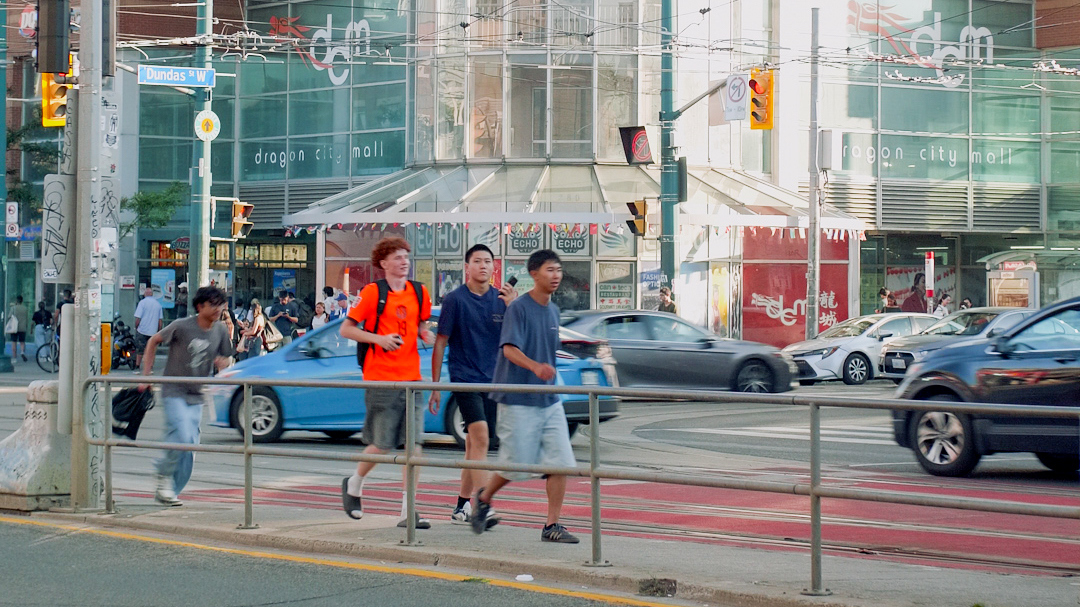
📸: Lucas Bustinski/The Green Line.
Businesses as archives of memory and culture
The Liu sisters show how neighbourhood businesses can be woven into people’s lives over decades — becoming a favourite date night spot, weekend family ritual and a constant in people’s ever-changing lives.
When a staple of the neighbourhood disappears, locals lose more than a place to shop or eat. They lose a place that holds memories, traditions and relationships.
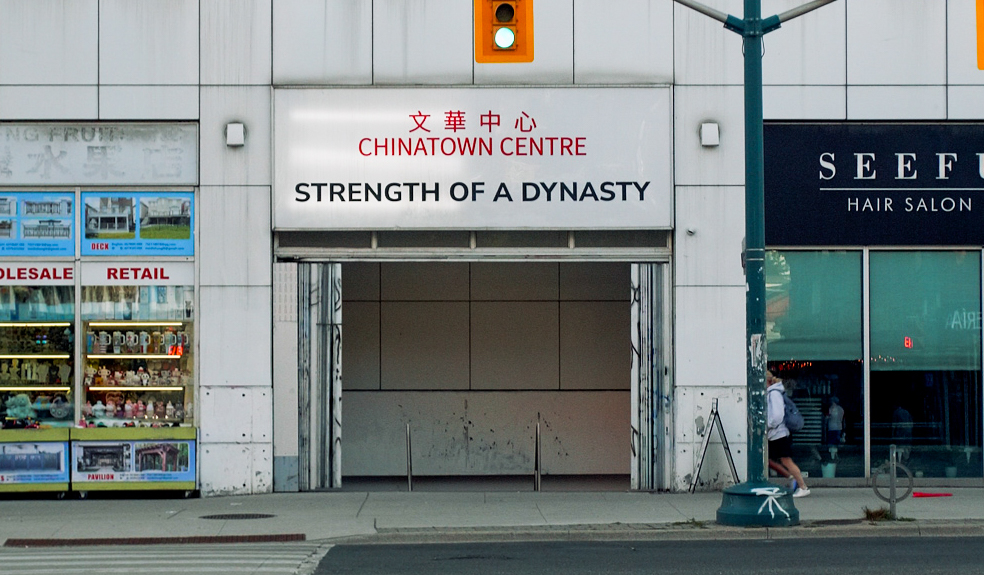
But in the same way that businesses can create memories and meaning, they can also preserve history and culture. That was Cheng’s intention when co-founding Thank You Chinatown, a gift store on the second level of Chinatown Centre at 222 Spadina Ave.
The shop sells Chinatown symbols, jewelry, stickers and more. In the corner, you’ll actually find a postcard of Yueh Tung.
The shop itself is made for people to learn more about Chinatown and to rep the neighbourhood proudly.
It’s “a gift shop about Chinatown, kind of documenting, acting as a living archive and that memory holding and storytelling space,” says Cheng.
📸: Lucas Bustinski/The Green Line.
Chinatown’s businesses as a reflection of Toronto
The challenges facing Yueh Tung and other Chinatown businesses aren’t unique. They can be seen across many ethnic neighbourhoods in Toronto. Culturally specific businesses in ethnic enclaves have long been outrunning threats of displacement and rising costs.
“It’s a symbol and a marker for other communities as well, because this can very easily happen to Little Jamaica,” says Jeanette Liu. “This could very easily happen to Little Portugal.”
The Green Line’s been covering a number of these cultural districts in the city, documenting their fight against rising costs and displacement.
For example, check out this story about why Little Jamaica is shrinking, and how the local landtrust works to preserve the neighbourhood’s culture.
If you’re interested in understanding the importance of building community-powered businesses within racialized communities, you can check out TGL’s November 2025 Action Journey.
How to turn a business into a community landmark
1. Build community support through transparency
Joanna and Jeanette Liu’s advice for other businesses is to share their stories as openly as possible.
“At the end of the day, businesses are people and people care about people,” says Jeanette Liu. “If you are not sharing that, it’s very hard to differentiate between businesses.”
She says the aspect that sets Chinese restaurants apart from one another in Chinatown is the people.
“The differentiator between us is not necessarily all of the recipes, though you might have a little bit of a difference, but it’s the culture, the community, the people that help you build your business and that will eventually help you survive,” she adds.
The Liu sisters say that community members approached them with curiosity and care after the two shared how the business was struggling. That transparency and openness not only grew their business and community, but it helped the restaurant survive.
2. Work with other businesses, not against them
The Liu sisters say that the older generation of immigrant business owners held their cards close to their chest — worried about competition and rarely engaging with each other.
That mindset is changing today.
“But this generation, I find entrepreneurs are more like, ‘oh, you need an accountant? I’ll share with you my accountant,’” she says. “Being open is one of the greatest assets that have gotten us to be able to revive the business today.”
3. Create opportunities for people to gather
After deputing at the Toronto and East York Community Council meeting, the sisters invited the attendees in for a meal.
Many businesses in the neighbourhood create events and programming to intentionally engage locals.
Community landmarks are built over years of shared experience but creating spaces where people can celebrate and spend time together become woven into the fabric of everyday life.
Fact-Check Yourself
Sources and
further reading
Don’t take our word for it — check our sources for yourself.

Join the conversation