

With the climate crisis accelerating, some Torontonians are looking for ways to turn their concern into action, which is why one local organization is empowering people to be part of the solution through climate-focused investing.
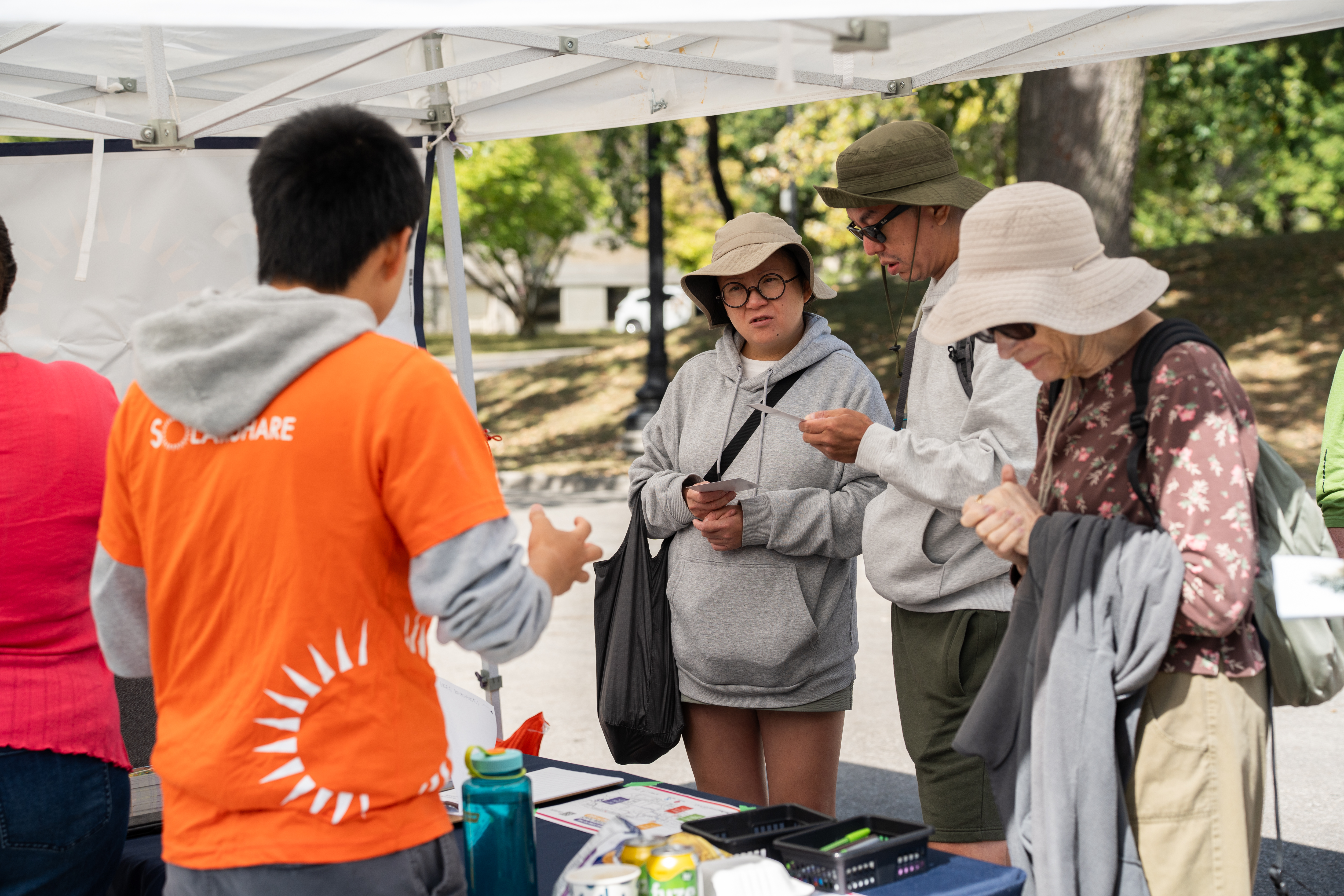
“It feels like there’s so much in our lives that feels like it’s out of our own hands; energy is one of those things,” said Rushil Malik, 27, an investor in non-profit renewable energy co-operative SolarShare (editor’s note: Malik is part of The Green Line’s Documenters program).
“It feels like policymakers and premiers and all these people who have more institutional power get to make these choices for us.”
In 2021, the City of Toronto adopted the TransformTO Net Zero Strategy, which aims to reduce greenhouse gas emissions to net zero by 2040. Some of these goals include moving away from fossil fuels towards renewable sources for electricity.
But Toronto’s electricity needs are expected to double by 2050, with the Ontario government citing the city’s expanding infrastructure, such as the Ontario Line running on electricity and the GO Transit transitioning out of diesel use, as well as the 285,000 new homes being built as part of the city’s 10-year housing plan.

📸: Amanda Seraphina for The Green Line.
SolarShare general manager Brian Chang says that feeling powerless about energy ownership and its decision-making is the reason why he began working at the co-op.
“I find these energy co-operatives or renewable energy co-operatives to be a really cool and interesting way where people can get involved directly as an individual in making decisions around energy,” he said. “So you’re directly being a part of this energy generation.”

📸: Amanda Seraphina for The Green Line.
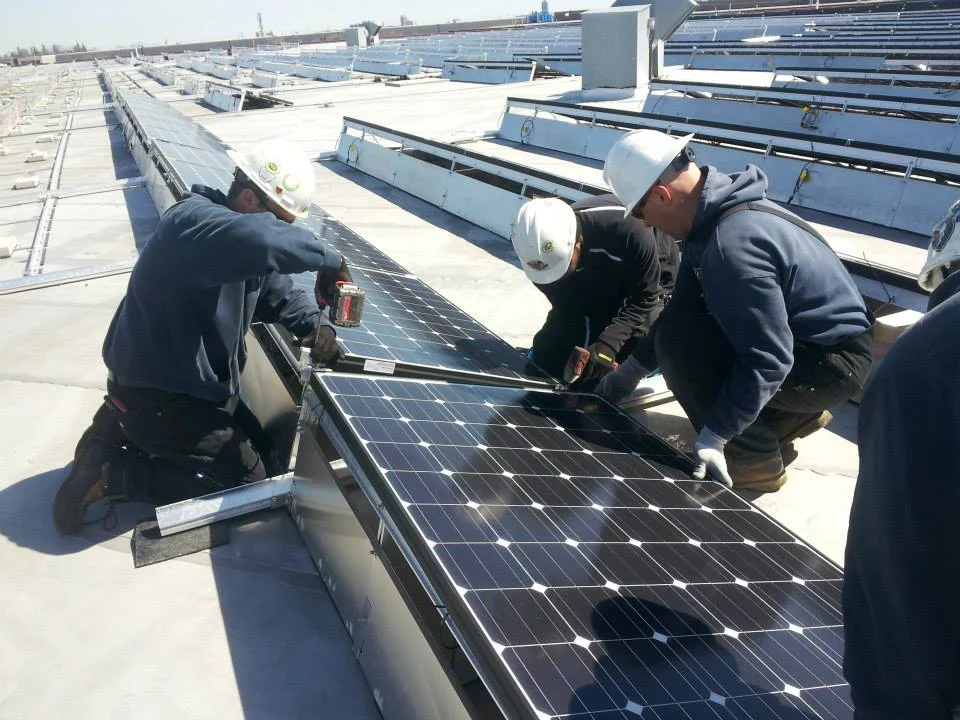
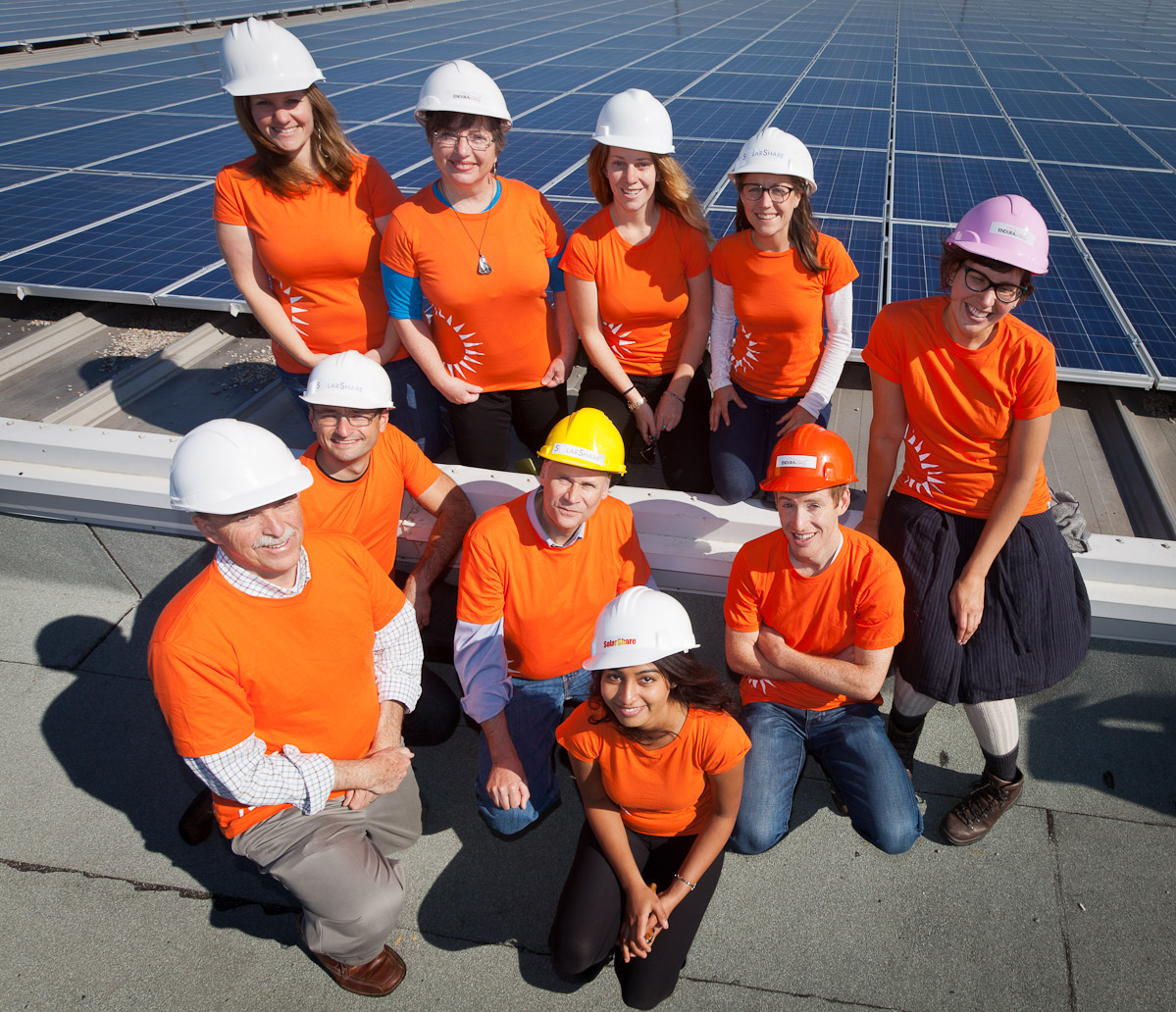
SolarShare has 51 solar projects across Ontario, with over 2,000 members who’ve invested $80 million since 2010 and earned back $18 million in interest. According to the co-op, it has reduced 2,200 tonnes of CO2 greenhouse gas emissions annually, and generated 160 million kilowatt-hours of clean electricity.
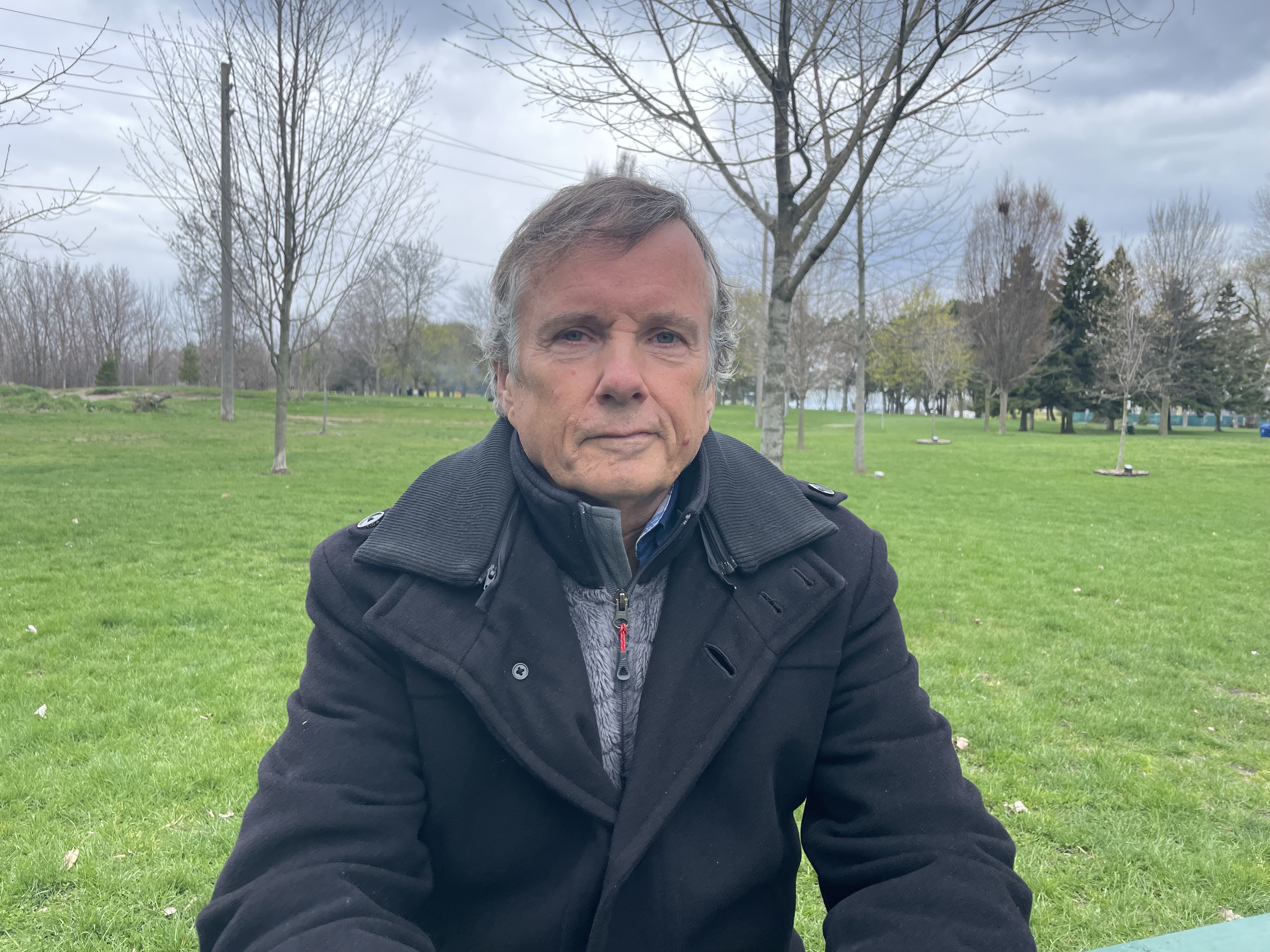
SolarShare founder Mike Brigham says he developed an interest in solar in 1985, while setting up electricity for his cottage. Brigham soon realized how effective the energy source was, as it doesn’t cause any pollution, and lasts 30 to 50 years.
In 2005, Brigham joined the Toronto Renewable Energy Co-op (TREC), which had built a community-owned wind turbine, to share his experience using solar. Then in 2009, when Ontario’s Feed-In Tariff program was launched to encourage renewable energy development, he jumped at the opportunity.
📸: Provided by SolarShare.
“I went through 13 consultations and met a lot of people and community groups and so on, and ended up going back to the board,” Brigham said about launching SolarShare.
With the help of a private group of investors, SolarShare was founded by TREC, which provided early-stage expertise and business services like HR and accounting staff, though it’s no longer part of TREC today. SolarShare began its first project in 2010, installing 17 microFITS, which are solar panels producing 10 kilowatts of electricity or less on people’s properties.
“If they have the chance to either put it on their home, or invest in it through groups like ours, it just checks all the boxes,” Brigham explained. “It’s a great use of land, it’s non-polluting, it’s not risky, it’s…financially not expensive.”
📸: Amanda Seraphina for The Green Line.
Chang says SolarShare is exploring new ways to sell solar power directly to customers, instead of only selling the electricity it generates to Ontario’s power system through government-backed contracts. Its goal? To give people and organizations more choice over where their electricity comes from, including the option to buy from a solar energy producer they want to support.
“The electricity that we generate, we sell to the government, and the money that we make is used to pay back these loans or these bonds that our members have given us,” Chang explained. “The dream is to be able to sell electricity directly to members.”
One model is net metering, which works best for large energy users. For example, SolarShare could install solar panels directly at an industrial site, data centre or wastewater treatment facility. The electricity generated there would be used to help meet that customer’s electricity needs before it ever enters the wider grid.
Another model is virtual net metering. In this case, the solar project wouldn’t have to be physically connected to the customer’s property. Instead, a solar farm could generate electricity in one location, send that power into the local grid, and allow households, businesses or other electricity customers to buy that power directly from the solar project owner or energy producer.
📸: Provided by SolarShare.
Chang says both models would give customers more decision-making over where their energy comes from, with virtual net metering potentially opening that choice to more people and organizations that can’t host solar projects themselves.
“Imagine if you were able to vote for the Toronto Hydro board of directors or Ontario Power Generation, like OPG, their board of directors,” he said. “Imagine if you had a say in all of that — if you could elect those representatives.”
“I think that’s sort of the dream that we’re building out, and what a co-operative model does.”
For Malik, she started investing in SolarShare last year and continues to do so because it aligns with her values.
“It’s like multiple things that I believe in. It’s a cooperative, it’s investing in clean energy, it’s using people’s money who live in this area to do a project or to work on something,” she explained. “So, for all those reasons, I continue to invest in SolarShare.”
Fact-Check Yourself
Sources and
further reading
Don’t take our word for it — check our sources for yourself.

Join the conversation