
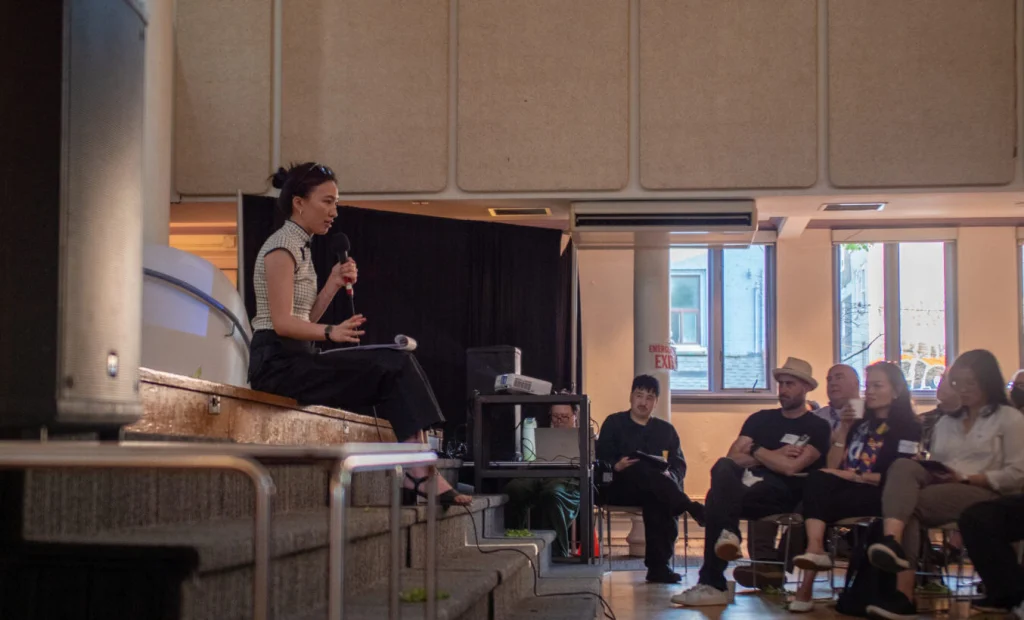
This article is part of a videoseries on how Toronto’s Chinatown offers a blueprint for fighting gentrification-driven cultural displacement. Visit all four parts here to see the neighbourhood’s story unfold.
TL;DR
- Joanna and Jeanette Liu, owners of Yueh Tung restaurant show how lived experiences and community care can inform civic engagement.
- Toronto’s Chinatown has a long history of advocating, deputing and rallying the local community.
- Policy change is a long process that requires persistence and careful planning.
- Anyone can make a deputation — they don’t have to be activists.
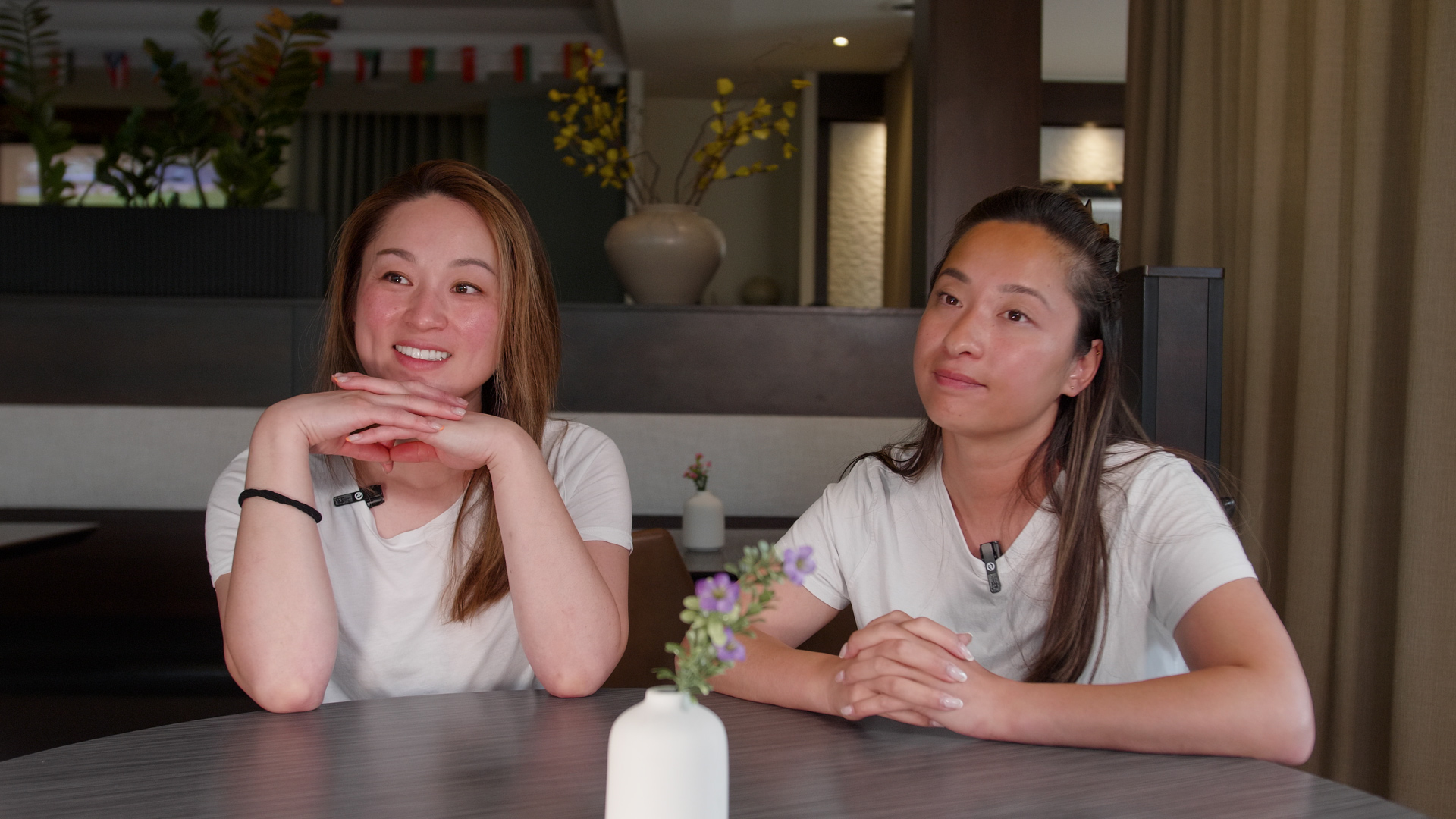
While working to revive the oldest Hakka restaurant in Chinatown — Yueh Tung on 126 Elizabeth St. — Joanna and Jeanette Liu weren’t trying to become advocates.
“We just became a voice for those who don’t have one,” says Joanna Liu.
The sisters took over their parents’ restaurant after it struggled during the pandemic. Community support flooded in. Locals told the Liu sisters that if Yueh Tung disappeared, the neighbourhood would lose a staple in Chinatown.
As Joanna and Jeanette Liu were doing speeches in order to keep the restaurant alive, community members approached them to make a deputation.
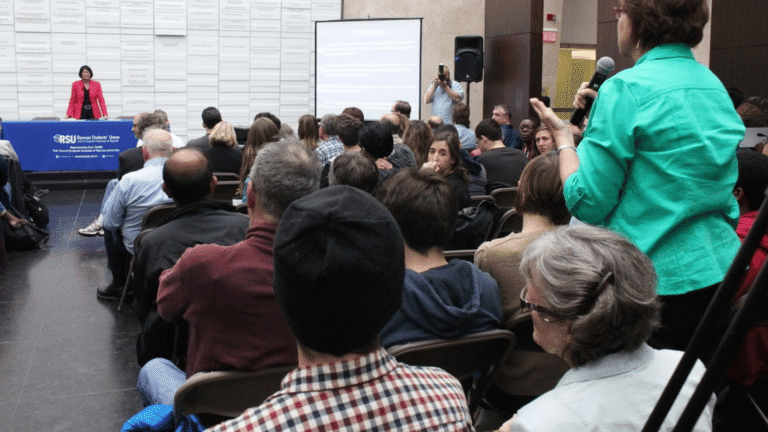
The sisters ended up speaking at a Toronto and East York Community Council meeting about the Chinatown Tomorrow Planning Initiative — a city-led project that aims to balance development with cultural preservation.
“The process was a little bit scary,” says Jeanette Liu. But she and her sister knew they had to speak up to give back to community members who were coming out to support Yueh Tung.
In sharing their story, Joanna and Jeanette became leaders in Chinatown. The sisters said that they spoke from the heart when delivering their deputation.
“[We] didn’t realize that in us trying to survive, we were actually being role models for other people who were trying to survive for the community,” says Joanna Liu.
In Toronto’s Chinatown, residents regularly attend public meetings, submit letters and make deputations in front of decision-makers. As people living in the neighbourhood, having a say in how the area is changing is a right — not a privilege.
Civic participation and added pressure on government officials is key to resisting displacement and unjust change.
Brian Chang, co-treasurer of the Toronto Chinatown Land Trust (TCLT), says that cultural preservation and Chinatown could be visualized as an iceberg.
“I feel like when people see Chinatown, you see the businesses, you see the festivals, you see sort of these surface level things that happen in this space that we call West Chinatown,” he says. “But there’s so much that exists under it. I would include policy and laws and deputations.”
He adds that it’s important to integrate the perspective of locals into the city decision-making process, even though civic participation and making deputations is less sexy than the cultural modes of expression, like dance or art.
Chinatown’s history of civic resistance
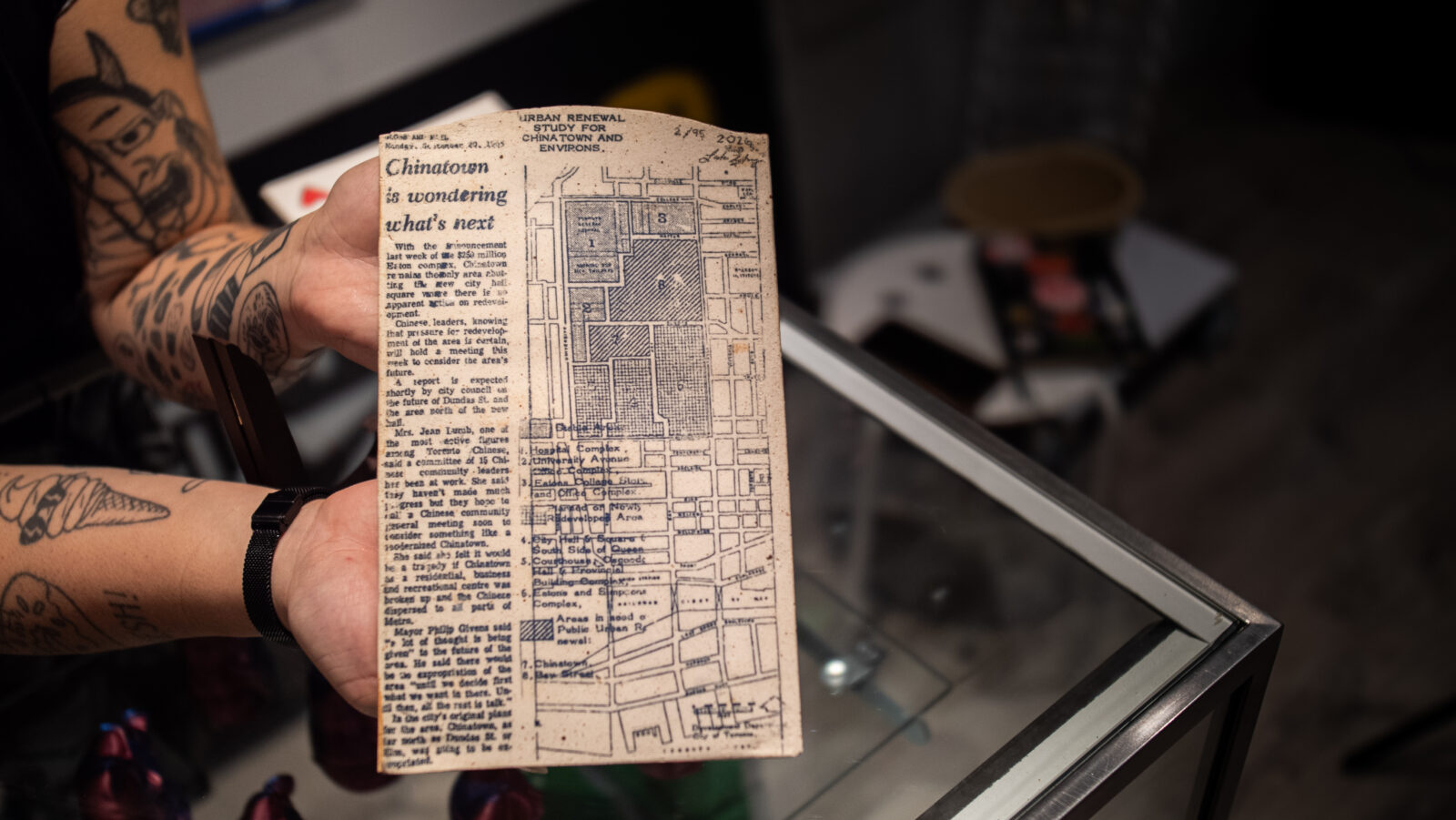
Toronto’s Old Chinatown used to be where Nathan Phillips Square and City Hall are today. It was originally a neighbourhood made up of working class and European Jewish populations, and later Chinese immigrants.
In 1946, City Hall was officially proposed to be built on what used to be Chinatown. The construction completely knocked down the neighbourhood — displacing the people who lived there.
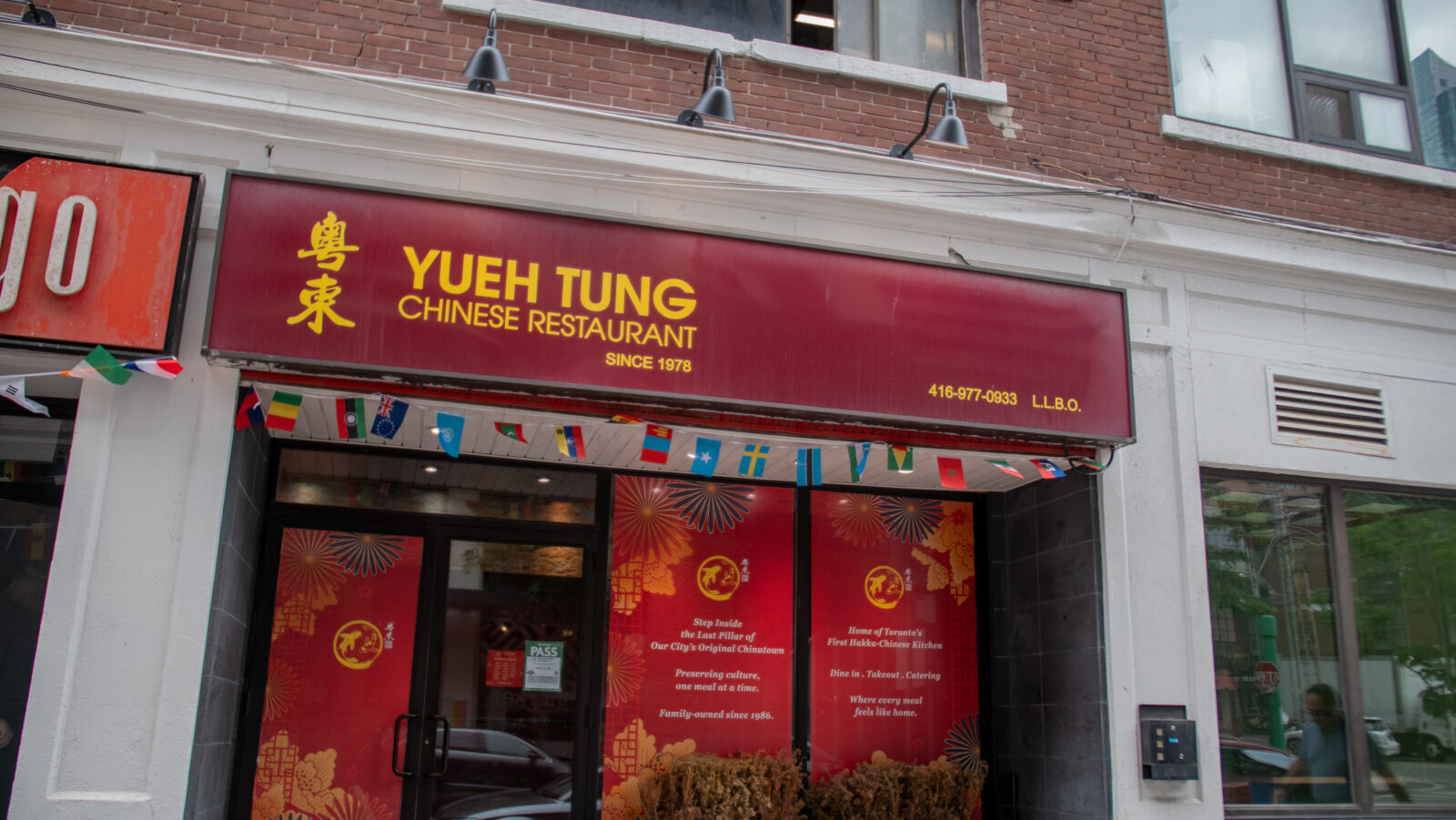
Cam Wong, acquisitions and stewardship manager at the TCLT says residents had to be resilient and move, both east and west, to form the West and East Chinatowns. The two newer cultural enclaves can be found primarily along Spadina Avenue and Gerrard Street East.
“But I think a missing piece of that entire process worth talking about is the resistance that the city and decision-makers felt from the organizers in that first Chinatown to really push back and say, ‘Hey, no, this is our neighbourhood. This neighbourhood holds really strong social networks and infrastructure and affordable housing and commercial space that feel really important to us,” says Wong. “And so I really think that community engagement is everything for preserving this neighbourhood.”
It’s in that resistance piece that neighbourhoods facing gentrification-driven displacement can stay alive.
“Over time, as [different] organizations have gotten connected with one another,” says Cam, “it’s provided us with a lot of strength to move towards this collective message that provides us with more policies, more funding, more substantive change in the practices that contribute to how we build as a neighbourhood and provide us with a stronger voice in decision-making.”
How to preserve cultural neighbourhoods by being civically engaged
1. Don’t let formal titles keep you from thinking you have the right to speak
Anyone can speak up, depute and organize for the community — you don’t need to be an activist.
Joanna and Jeanette Liu don’t describe themselves as activists.
“We’re literally living the story and if we can use our voice to inspire other community members to care about the issue, then we’ll do that,” Jeanette Liu says. “Activist is not a word that I think either of us would use to describe us, but we do advocate for Chinatown.”
2. Take the risk and make a deputation
Joanna and Jeanette Liu weren’t aware of the civic process prior to being approached to depute.
Jeanette Liu says that the older generations didn’t have the education they fought so hard for their children to have, and so accessing opportunities to walk into City Hall were limited and unfamiliar — especially with a language barrier.
“It was intimidating going into that room,” says Jeanette Liu. “It took us a few minutes to get a handle on it. It does seem scary to go to do a deputation and speak in front of those people.”
But making a deputation and engaging in civic decision-making forces politicians to acknowledge residents’ struggles and concerns, while ensuring that the future of a neighbourhood encapsulates what the actual people want.
Wondering how to make a deputation? The Green Line created a step-by-step guide on how to make one — from idea to execution.
3. Form or join a network of people and local organizations that care about the cause
In fighting against gentrification-driven displacement and preserving the neighbourhood, the community has to work together. The saying, “it takes a village” becomes especially true in protecting the ethnic enclave that the previous generations built from scratch.
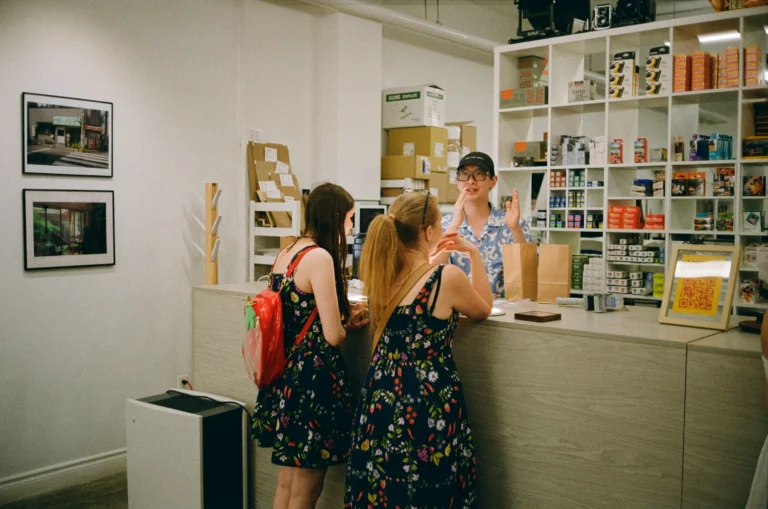
Chinatown is an ecosystem that prioritizes connection, trust and relationships. It’s made up of the land trust that works to ensure properties are in the hands of the residents and it relies on artists to keep tradition and expression alive. It also highlights businesses as safe havens and reminders of home for Chinese immigrants and their descendents.
The Liu sisters say it’s important to figure out what cause someone wants to participate in and to find a local organization that already has their hand in it.
“That could be a land trust, your BIA, somebody who is already doing that work and from there, the next step is making that network of people and figuring out where you can meet more of them,” says Jeanette Liu. “And then from there you could do a deputation, you could write something that could really impact the community. You can go to the local paper, a local radio station.”
She adds that you can contact your local councillors and slowly build your network.
4. Keep showing up, no matter how long it takes
It can be daunting to sit in public meetings and deliver deputations when change doesn’t happen quickly, or sometimes at all.
At a June 9, 2026 public meeting, the Economic and Community Development Committee endorsed the Cultural Districts Program that would recognize and preserve cultural neighbourhoods around the city like Chinatown.
Kai Wong, co-chair of the TCLT, made a deputation and recommended that the program adopts anti-displacement criteria in order to assess future development plans, policy protections and funding.
They told the committee that “cultural districts recognition is nothing without real policy protections and adequate funding.” They added that five years after a City Council motion to protect cultural businesses from displacement and erasure, “West Chinatown is still waiting for action.”
Policy reform doesn’t happen overnight, unfortunately. But rather, it requires years of effort, persistence and resilience.
For Jeanette Liu, engaging in long civic processes reminds her of a lesson she learnt at her church growing up.
“I remember we used to find church so boring,” says Jeanette Liu. “And a priest said to us [. . .] if you guys think church is so boring — you hate it so much, then get involved, do something about it, change it,” she remembers. Now, she believes community practice and involvement needs engaged individuals to make change.
“I think that’s what we’re doing now. We didn’t expect to, but I think if Chinatown isn’t where we want it to be, then we need to get in there and do something about it.”

Join the conversation