
TL;DR
- Parkdale’s Little Tibet is one of the largest Tibetan communities in North America. The neighbourhood became a hub because of refugee settlement, affordable housing and community networks.
- The Buddhist faith is based on values like compassion, care and connection and is lived out daily by Tibetans, shaping how they relate and look after one another.
- Creating consistent gathering spaces is important for collective care and community building.
- If you belong to a minority group who wants to build community in Toronto, you can start by creating consistent communication channels such as WhatsApp broadcast groups or Facebook groups and organizing intergenerational events for people to meet each other.
If you’re born Tibetan, you’re born an activist.
This sentiment, expressed by Students for a Free Tibet (SFT) Toronto president Tenzin Kunsang Michele, is echoed across the Tibetan community in Parkdale. It’s a community formed by shared struggle, displacement and Buddhist faith.
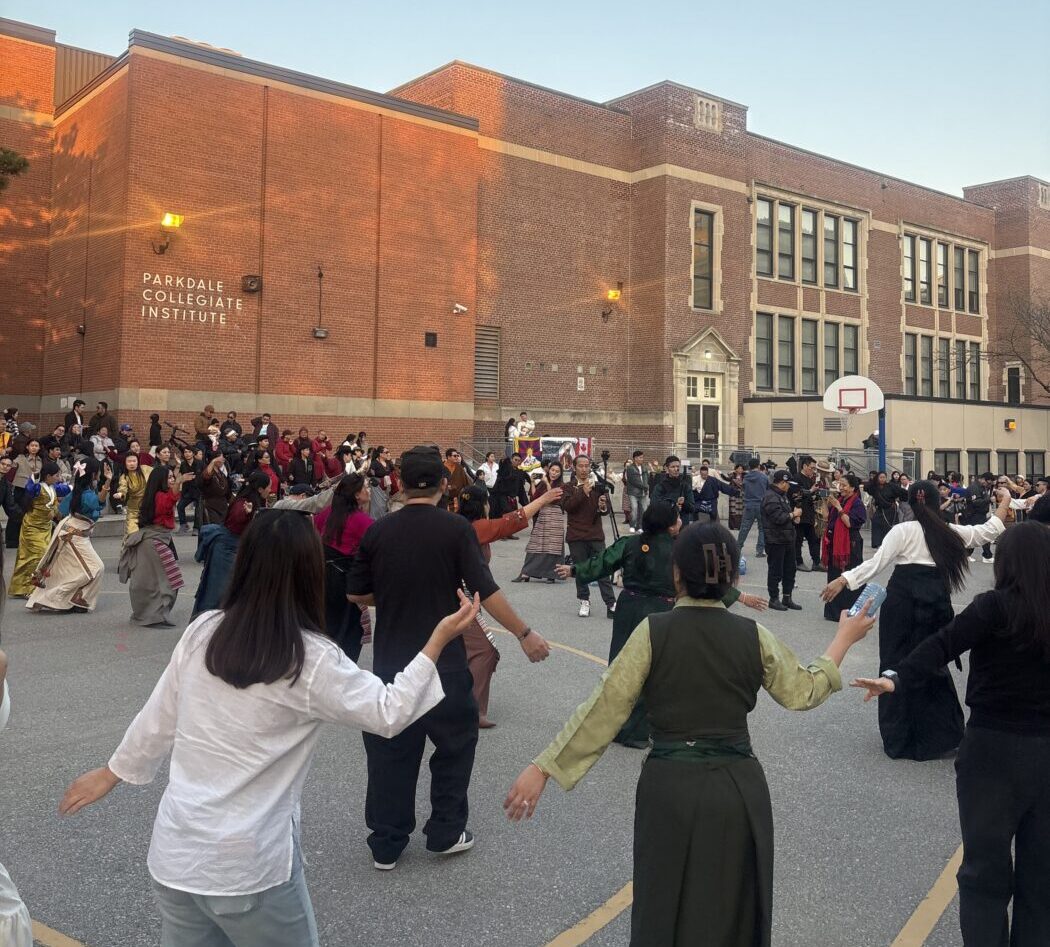
On Wednesday evenings at Parkdale Collegiate Institute, one of the largest Tibetan dance circles — or gorsheys — in North America forms. Young children, teens, adults and elders move swiftly and in sync, dressed in colourful cultural clothing. The women wear long, silk garments with tied fabric draped along their hips, while the men wear looser garments.
BECOME A GREEN LINE MEMBER TODAY
Tibetans and non-Tibetans watch from the sidelines, greeting each other with tashi deleg, or hello. For some, it’s a weekly ritual. For others, it’s a tether to a land that Tibetans can’t access.
In Toronto’s Little Tibet, religious practice is a foundation for care, connection and cultural survival. For other diasporic communities in Toronto, Tibetans in Parkdale provide a framework for navigating displacement and building shared identity.
📸: Lucas Bustinski/The Green Line.
How did Parkdale’s Little Tibet come to be?
Parkdale is home to one of the largest Tibetan communities in North America.
In the early 1970s, some of the first Tibetans started settling in Parkdale, which was known as an entry-point for many refugees and immigrants that come to Canada due to its high-rise building density and affordable rent.
In 1959, Tibetans staged an uprising against the Chinese government, creating a human shield around the palace of their spiritual leader, the Dalai Lama, while also seeking independence from China. The Dalai Lama fled to India after Chinese suppression, and many Tibetans followed him in ensuing years. As more fled to India and Nepal, these neighbouring countries couldn’t accommodate the large number of refugees, so many settled in Toronto.
Over time, what formed in this Toronto neighbourhood was community. Tibetan restaurants, homes-turned-temples and community organizations sprouted in Parkdale — now informally known as Little Tibet.
“I knew that Parkdale was where I needed to be,” says Chemi Lhamo, a community organizer who grew up in the neighbourhood.
Lhamo has dedicated her life to advocating for a free Tibet, holding various leadership positions in cultural and academic communities. She previously ran for Parkdale city councillor, and is now a spokesperson for World Liberty Congress, a global network of activists for democratic change.
“The combination of wisdom and compassion really embodies for me what it means to be a Tibetan,” she says. “I noticed as I grew older, that this value was celebrated and practiced across our various communities in Parkdale. And so naturally, Parkdale became home, and I wanted to find ways to contribute to the Parkdale community.”
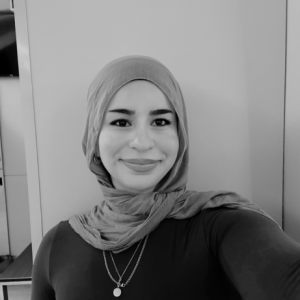
📸: Aia Jaber/The Green Line.
How do Tibetans in Toronto preserve and build community?
Within Parkdale, that sense of community is visible in everyday interactions.
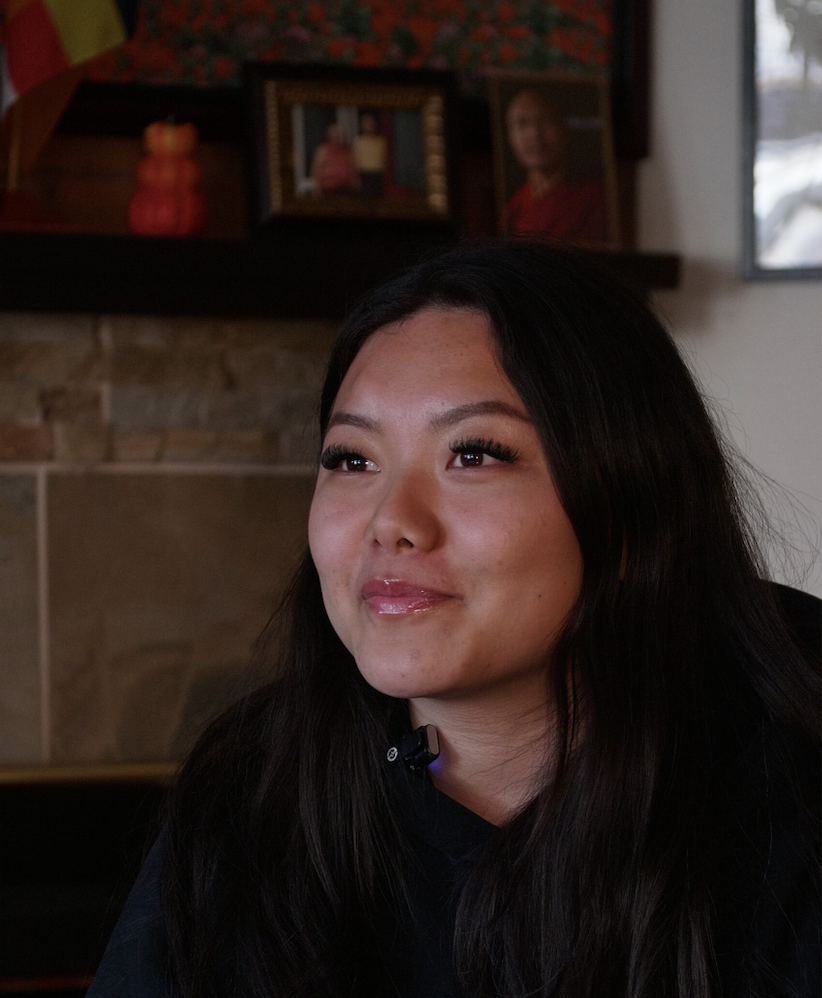
“Every time I step out…I run into someone older than me,” says Tenzin Nyidon, a 22-year-old member of SFT Toronto. She says elders always take an interest in her wellbeing, and ask how she’s doing.
Tenzin Yingsel, another SFT Toronto member, says Parkdale Tibetans are willing to help each other with job hunting and paperwork. When Yingsel came to Parkdale from India four years ago, she was surprised to find how well-connected everyone was.
“It’s always active, there’s always something going on,” she says. “A lot of the organizations, they’re mostly based in Parkdale, so it’s really easy to reach out to them.”
This familiarity isn’t shaped just by proximity, but largely through shared experience. There’s a shared understanding of why the community formed after displacement and collective trauma.
“Tibetans inside Tibet aren’t allowed to speak their own language, aren’t allowed to practice their religion freely and aren’t even allowed to mention the Dalai Lama,” Kunsang says.
That’s why through SFT Toronto, Parkdale youth organize political and social events to keep culture alive while strengthening community.
Students for a Free Tibet is a global grassroots initiative with a chapter in Toronto. The organization collaborates with seven tsokpas or groups, such as the Ontario Dhomey Association. They host weekly meetings with team members to discuss event planning and advocacy initiatives.
Kunsang says that Tibetans aren’t a naturally happy community, but they’re tight-knit because they share a common struggle of being displaced and being unable to return home.
“Our joy is not just any form of joy; it’s a radical form of joy that’s actively resisting an occupation of our country for the last almost seven decades,” Lhamo says.
For younger generations growing up in and around Parkdale, cultural identity is also shaped through structured spaces.
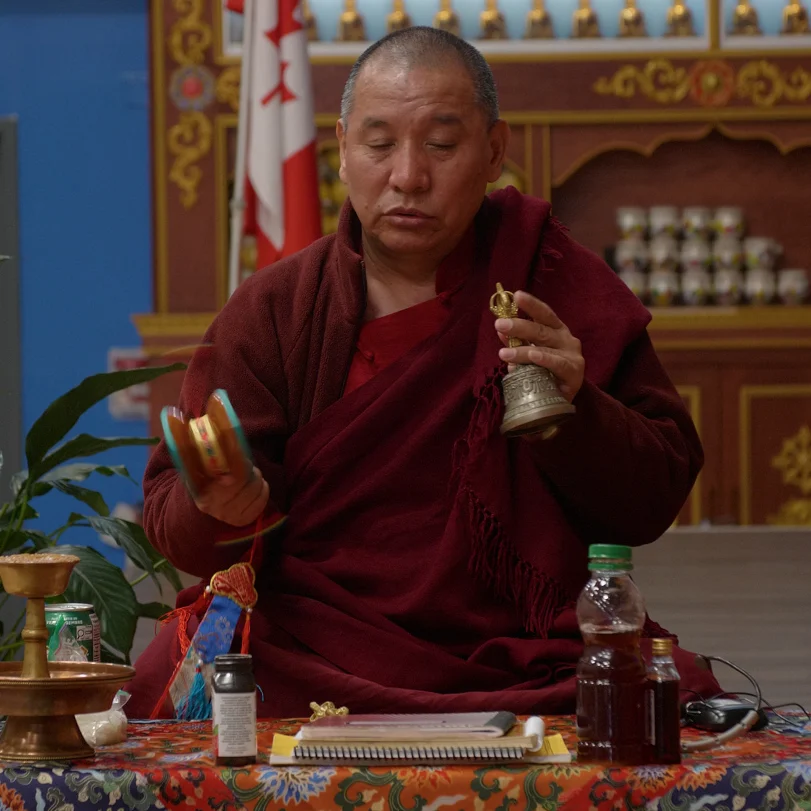
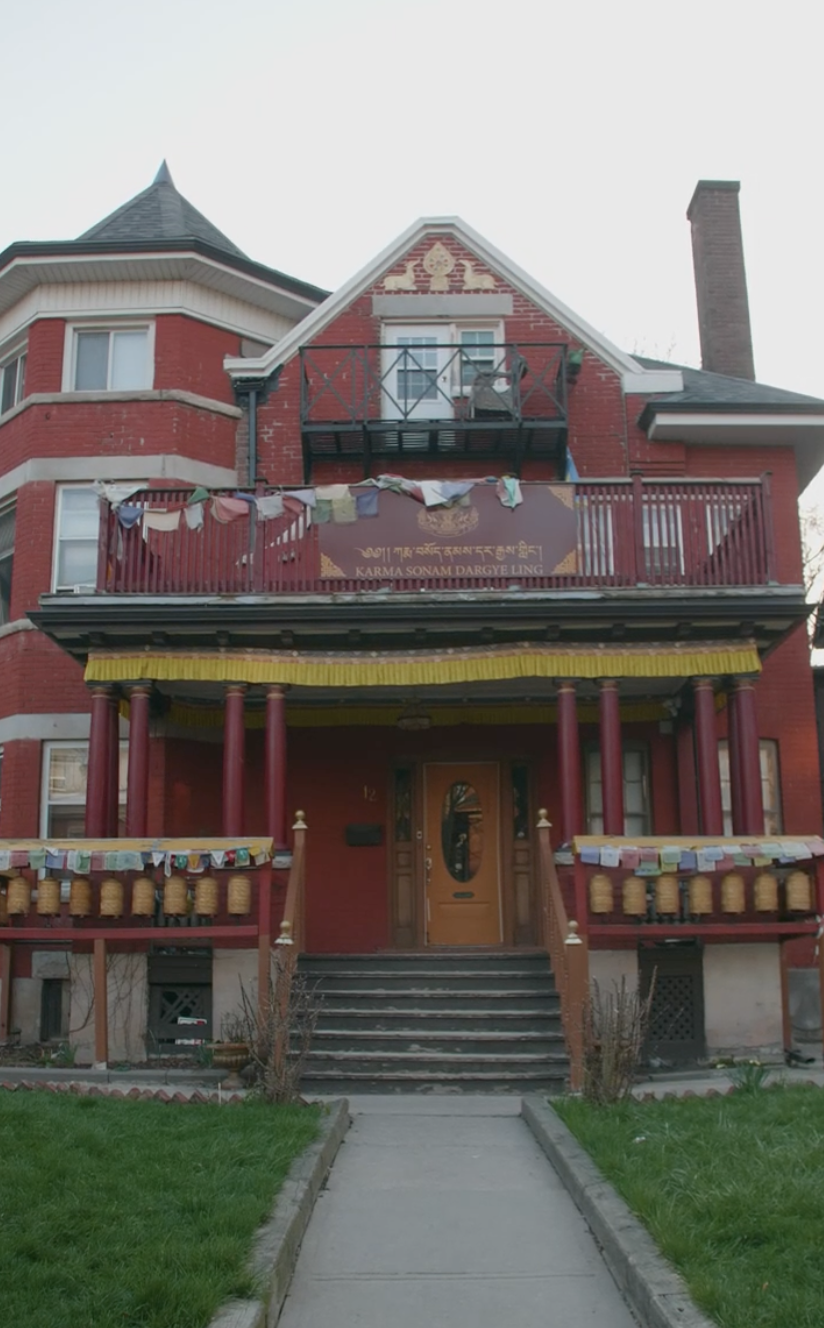
Karma Sonam Dargye Ling Buddhist Temple, a house converted into a religious space where monks also live, is a pillar for many local Tibetans. The temple hosts summer camps where children learn reading, writing and religion.
📸: Lucas Bustinski/The Green Line.
“Although I hated it at the moment, it was also an excuse to see my friends every day,” Kunsang says, adding that she’s grateful because language is important to preserve culture.
The Tibetan Canadian Cultural Centre — about a 13-minute drive from Parkdale — is also a gathering place for the community, hosting language classes, religious teachings and birthday parties.
It also includes a prayer space decorated with Buddhist symbolism and bright colours. At the far wall, 1,000 buddhas are displayed and a photo of the Dalai Lama sits on stage.
“We didn’t have our own space before,” says Deki Shukla, the first female president of the Tibetan Canadian Cultural Centre, recalling earlier years when Tibetan community members gathered in churches.
The centre was built in 2006 in Etobicoke on 40 Titan Rd. because the space could accommodate the needs and numbers of the community. Its construction and maintenance was financed by community members, the Dalai Lama and government grants.
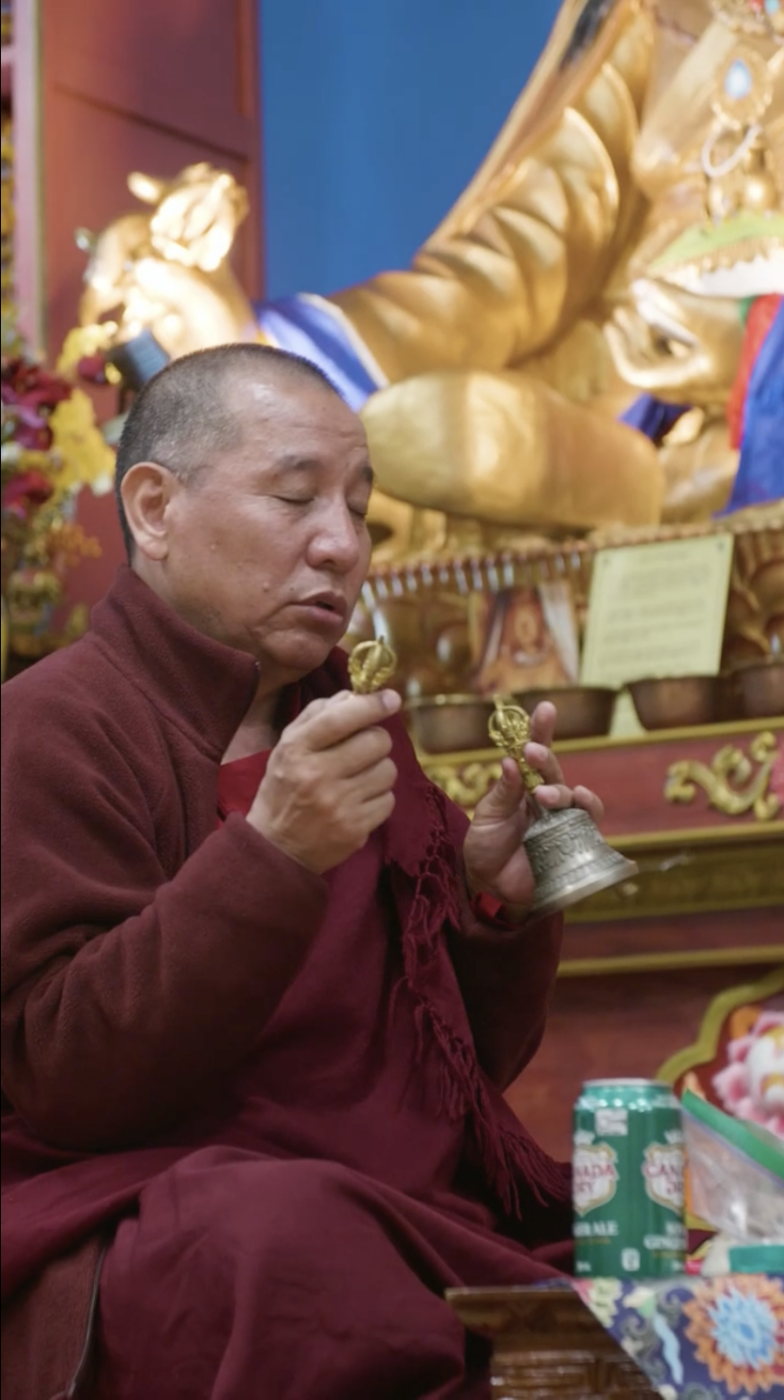
At the centre, religion is practiced daily through actions both big and small.
“Tibetan way of life is intricately linked with religious practices on a daily basis,” Shukla says. “We live our culture on a regular basis as opposed to just showcasing it.”
“This is our culture. This is our tradition. This is our religion.”
📸: Lucas Bustinski/The Green Line.
What religious and ethnic minorities can learn from Little Tibet’s experience
For other diasporic communities across Toronto, Parkdale’s Little Tibet offers a model rooted in structure and intention.
Here are a few things shared with us from Shukla, Lhamo and SFT Toronto on how Tibetans build and strengthen community.
- Create consistent gathering spaces like centres or a person’s home that can act as anchor institutions.
- Live culture daily through food and language.
- Prioritize intergenerational connection by speaking to elders, learning their stories and religious traditions.
- Build strong support networks that help with job hunting and paperwork.
- Make the community accessible and non-judgemental, so people can learn at their own pace.
- Have regular programming, such as youth events or cultural circle dances in public areas.
- Use online spaces, like Whatsapp, to connect with others.
Fact-Check Yourself
Sources and
further reading
Don’t take our word for it — check our sources for yourself.

Join the conversation