
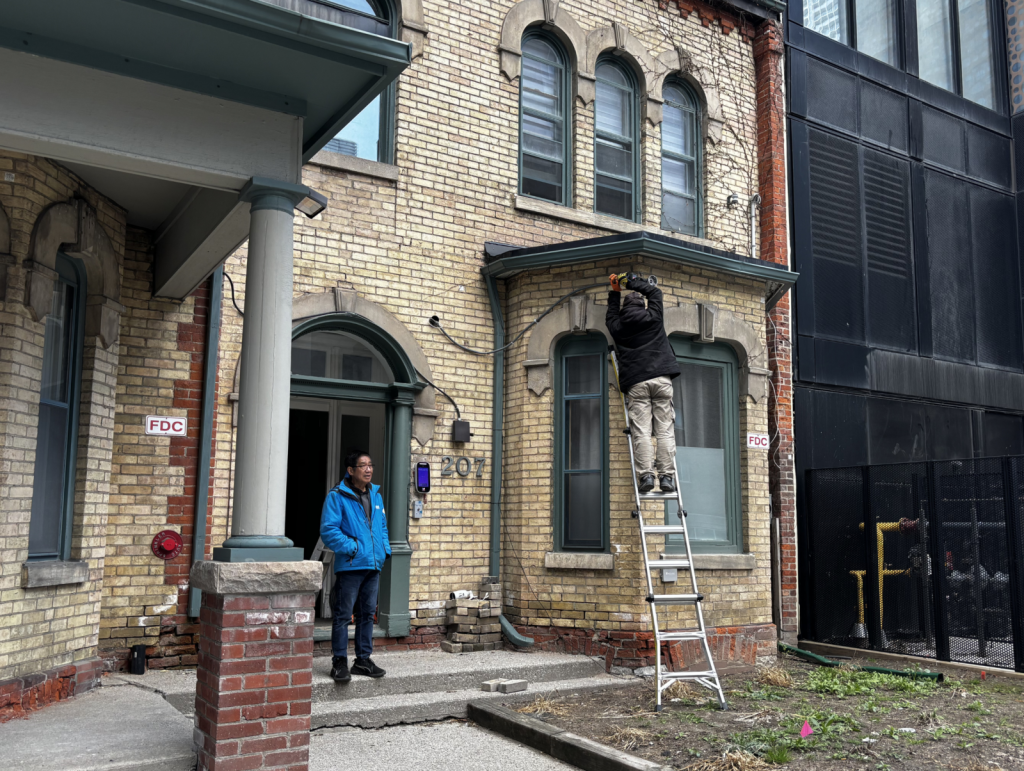

Ever had a leak that took forever for your landlord to repair?
Toronto has a Property Standards Bylaw that requires landlords to keep their property in a state of good repair and livability. It details when air conditioning and heating need to be turned on, how hot water needs to be provided, and sets the standards for managing repairs, cleanliness and pest infestations.
The city also has a program that applies specifically to apartment buildings with three or more storeys and 10 or more units, called RentSafeTO. RentSafeTO or the Apartment Building Standards Program is a bylaw enforcement program that aims to ensure building owners and operators comply with maintenance standards, so that tenants live in safe, well-maintained buildings. It also aims to help tenants understand their rights and responsibilities.
BECOME A GREEN LINE MEMBER TODAY

- RentSafeTO currently evaluates buildings every two years and gives it a score. If your building is covered by the program, you can check the score and any violations on this map.
- It audits buildings that fall in the bottom 2.5 percentile.
- It doesn’t apply to condo buildings, townhomes or units in a private home (such as a basement or main floor unit of a detached house).
It’s important to note that even if your unit isn’t covered by RentSafeTO, your landlord has to arrange and pay for any maintenance or repairs required. This includes: replacing broken appliances, getting pest treatments and cleaning carpets in common areas. The only exception where the tenant has to pay would be if the tenant caused undue damage — if they smashed a window in a fit of rage, for example.
What to do if you need repairs in your unit or building?
If you face issues in your building, talk to your landlord directly to resolve them.
- Many apartment buildings will have their own online portal to submit maintenance requests. Make sure to ask your landlord or building manager to provide you with the details.
- The City of Toronto has a visual form template for reporting issues. You can find it in different languages here.
- Make service requests in writing and keep a copy. Your landlord must track these service requests, and keep copies from the past 24 months.
If your landlord doesn’t resolve maintenance and repair issues in a timely way, call 311 Toronto.
How can 311 Toronto help?
You can call 311 for issues with the following:
- leaks and water
- electricity and gas
- safety concerns
- pests and unsanitary conditions – both in your unit and in common spaces
- heating during the winter
You can also create service requests online.
Yaroslava Avila Montenegro, executive director of the Federation of Metro Tenants Association (FMTA), says by calling 311, you can report the conditions of the building or unit to the City of Toronto, and get help navigating your problems.
- You can track your 311 service requests here.
- If your complaint is urgent and related to vital services, City staff will respond within 24 hours. If your complaint is about a non-urgent issue, you’ll receive a response within five to 10 days.
“You’re not going to get evicted for making a complaint. No landlord has the right to be able to evict you for making a complaint on the building. It’s your right to be able to do that,” Montenegro explains.
When can the Landlord and Tenant Board intervene?
If maintenance issues persist, you can file a T6 application at the Landlord and Tenant Board. The LTB then starts a hearing process, at the end of which it might order your landlord to fix the issue, and pay you for not following the Residential Tenancies Act.
Remember, even if your landlord fails to repair and maintain your unit and building, you still have to pay your rent in full and on time.
What other pressure tactics work?
Some tenant associations and groups have used rent strikes as a form of protest to pressure the landlord into cooperating. Applying pressure through demonstrations, social media and media outlets, as well as publicly shaming landlords, are common strategies for groups of tenants who are facing common maintenance issues. Typically, your local tenant association (if you have one) or the Toronto Tenant Union can help you navigate different strategies to get your demands met.
If you’d like more resources on dealing with maintenance and repair issues, check out “Guided Pathway for tenants with maintenance or repair problems” from Steps to Justice, a free legal resource in Ontario and this FAQ from the Action Centre for Tenants Ontario.
If you’re dealing with other renting issues in the city, check our comprehensive resource guide, “Everything you need to know as a renter in Toronto.”
Fact-Check Yourself
Sources and
further reading
Don’t take our word for it — check our sources for yourself.
Join the conversation