
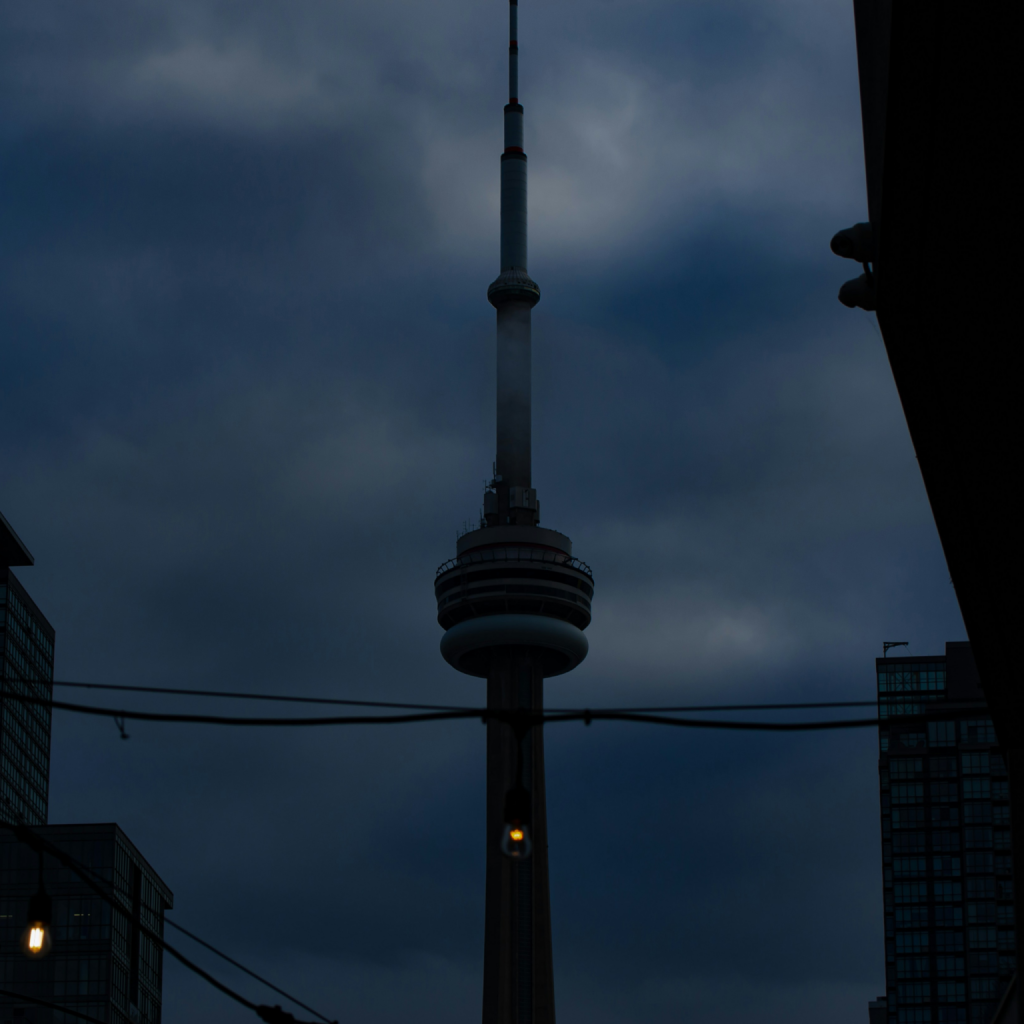

So, your electricity’s out, now what?
Last Wednesday, on Aug.12, around 30,000 Torontonians in the downtown/east end area lost power for a bit over an hour after a “loss of supply,” according to Toronto Hydro.
It’s not the first time this happened and probably won’t be the last. I personally experienced about three outages in the past year or so, and some friends in downtown Toronto were out of power for two days in a row last November.
BECOME A GREEN LINE MEMBER TODAY

As a Lebanese person accustomed to regular electricity cuts, I found it funny when it first happened here — but I also knew how to deal with it. But if you’re not so sure what to do with no electricity, let me share some basics for dealing with power outages.
How to find out why the power is out
The first thing to do when your home goes dark is to figure out if it’s a you problem, or if it’s your neighbours too.
- If you have mobile data, go online and check Toronto Hydro’s outage map. The map is updated every 10 minutes and shows the affected area, the reason for the outage and the expected time for power to be restored.
- You can also text friends or neighbours in the area, or look out for information on neighbourhood Facebook groups, tweets on X or local news — they’re all likely to have immediate updates.
- If you don’t have mobile data, step out and check on your neighbours, or if it’s dark, see whether streetlights and nearby houses or buildings are lit or dark.
- You can also call 311 or Toronto Hydro at 416-542-8000 and press 1.
- Toronto Hydro also offers an option to sign up for outage notifications, where you can choose if you want to get text or email updates for your area.
If the outage is affecting others too, there’s not much you can do to repair it — just make sure you’re well prepared to deal with it if it’s going to be long.
How to report a neighbourhood-wide outage
If the power is out for you and your neighbours, you can let Toronto Hydro know by:
- Making an online report
- Calling 416-542-8000 and then pressing 1.
Toronto Hydro will then send out a crew to find out what’s going on and repair what’s needed to bring back electricity. It’ll give you an estimated time for it to be restored. In my experience, staff are on top of it, and you might have your lights back sooner than expected.
How to restore power if it’s only out in your home
If the outage is limited to your own home, it could be your own circuit breaker or a blown fuse. In that case, unplug any appliance you suspect may have caused the overload before trying to flip the breaker or replace the fuse.
If the breaker isn’t staying on, call an electrician. You can use the Electrical Safety Authority (ESA) locator tool to find a licensed contractor.
How to cope with a power outage
What you need to do during a power outage really depends on how long electricity’s expected to be out.
- Make sure you have battery-powered flashlights with spare batteries.
- Battery-powered lights are safer than candles, but use candles if you must.
- If power’s going to be out for a while, move any perishable foods from your fridge and freezer into a cooler with ice if you can.
- If it’s cold enough outside, you might be able to put some things out on your balcony. My friends stuffed some things in the snow last year.
- If it’s hot or you don’t have access to a cold space, consider eating what you can and sharing what you can’t.
- If power is out for less than 48 hours, the freezer might still be cold enough as long as you don’t open and close it often.
- Food that’s been thawed for a couple of hours could be bad. Check the colour, smell and texture to know if it’s still edible. When in doubt, throw it out.
- Unplug appliances and electronics to protect them from power surges when electricity is restored.
- If power will be out for a while and some friends have electricity, see if you can crash on their couch for a bit. If you only need a place to stay during the day to keep cool or warm, look into public libraries in areas unaffected by the outage.
How to be ready for power outages at any time
If you or someone in your household needs electricity-powered medical devices, make sure to have an emergency plan. Look into small generators or power banks that are strong enough for your needs. Always keep your devices charged; you never know when you won’t be able to plug them in. It’s easy to neglect charging your phone or laptop until it’s almost dead — and it will die during a power outage if your battery is always at 20%. If you live in a rental tower or condo, make sure you know where stairs or emergency elevators are so you’re not stuck on a high floor with no option to get outside. Always have some basic supplies stocked:
- Flashlights and batteries — and make sure you have the right type of batteries for your device, and get spares.
- Candles and matches or lighters.
- Cash (ATMs might not work in a neighbourhood-wide outage.)
- Non-perishable food items that can last you a couple of days. Think canned beans or meats, crackers, peanut butter, nuts, cereal, protein bars, dried fruits.
- A first-aid kit and basic medications, including painkillers, allergy meds or a supply of prescribed pills for chronic conditions.
- If you have pets, make sure you also have a small stock of food for them.
- Blankets and warm clothes for cold weather.
- Hand fans for hot days.
Have a plan: do you have trusted friends you can stay with in case of a prolonged outage? Preferably choose people who aren’t neighbours, so you have an option if your whole area is affected. Memorize emergency contacts:
- 911 for fire, police or medical emergencies
- 311 for non-urgent City services
- 211 for non-urgent social services
- Canadian Red Cross at 1-800-418-1111 for emergency response services
Toronto Hydro resources
Fact-Check Yourself
Sources and
further reading
Don’t take our word for it — check our sources for yourself.

Join the conversation