
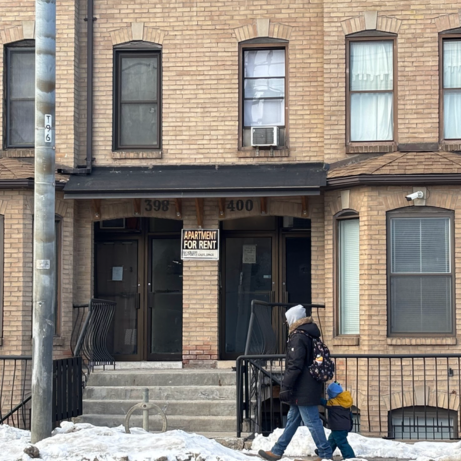

Apartment hunting in Toronto can be daunting — we’re here to help.
We break down all the best tips and tricks that you need to know when you’re looking for your next home in the city. From different ways of finding an apartment, to a checklist of things to look out for in a property or rental agreement, we got your back.
Where to look for apartments
In housing coops
BECOME A GREEN LINE MEMBER TODAY

Before looking to rent from a landlord, consider joining a housing co-op.
People who live in a co-op are members, not tenants, who are democratically responsible for the organization. Housing charges are based on the cost of running the building, not on maximizing profit. This means that co-ops are around 35 per cent cheaper than market rate.
There are approximately 187 co-ops across the Greater Toronto Area. You can look up the different locations using the Co-operative Housing Federation of Toronto website.
Just be aware that vacancies are rare and waitlists are long, so if you’re looking for a new home in a rush, this wouldn’t be a good option.
Through real estate agents
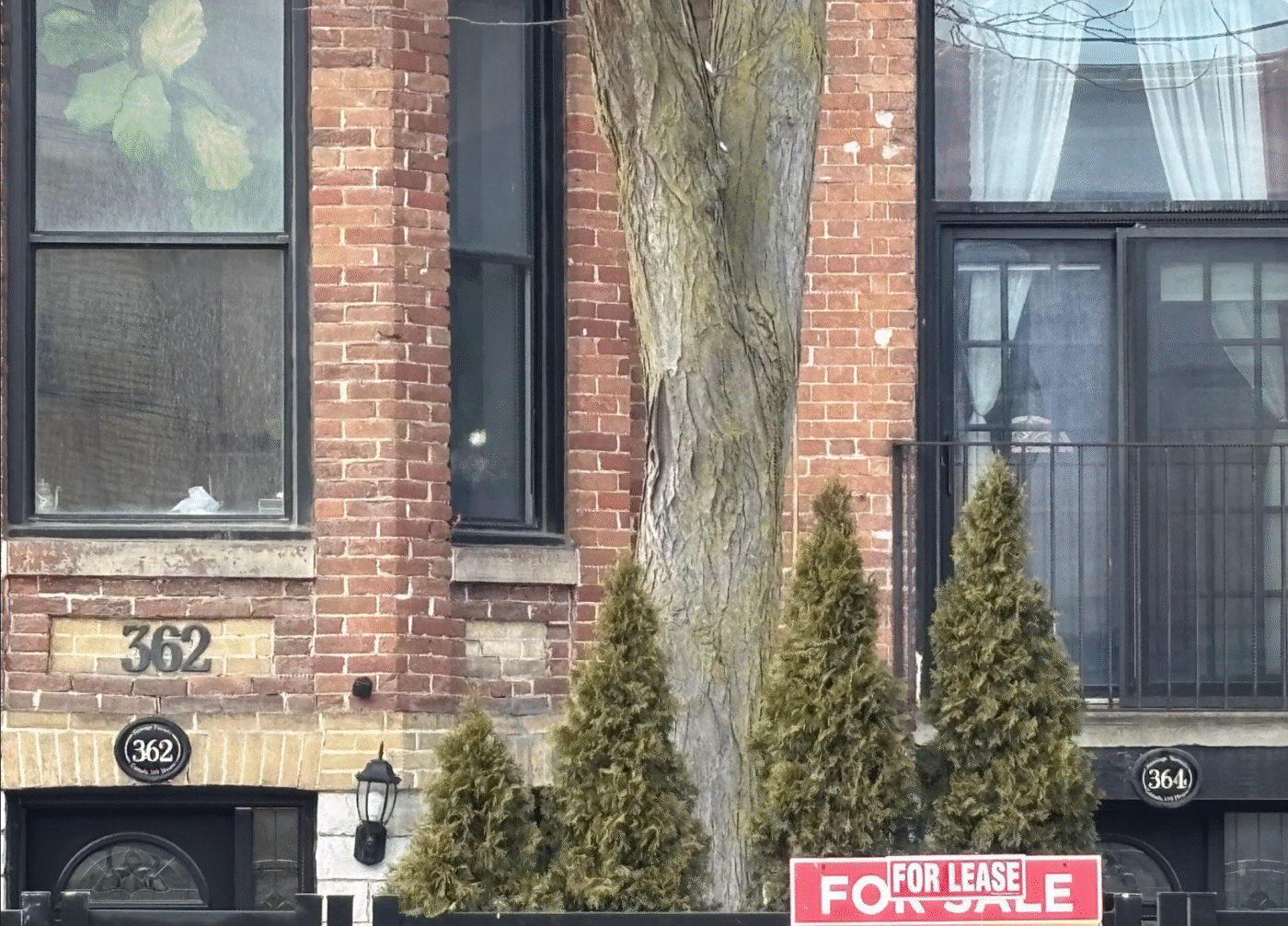
If you’re looking to rent from a landlord, you can choose whether or not to use a real estate agent to find a property. There are advantages and disadvantages of using one.
Wondering what the pros are? Real estate agents will often chauffeur prospective tenants around to different properties. Experts also told us that agents often have knowledge of listings before they’re posted on aggregation sites — and they have relationships with landlords, so renters are less likely to fall victim to rental scams.
If you do use an agent, you shouldn’t have to pay fees. But you should be aware that because the landlord pays the rental agent commission (typically the first month’s rent), the agent has an incentive for renters to pay more.
📸: Yara El Murr/The Green Line.
Directly with a landlord
If you decide not to use a real estate agent, sites like Kijiji and Craigslist are great resources as they’re often used by mom-and-pop landlords for advertising their properties.
You can also find listings posted by landlords on sites like View It and Padmapper — although there are also a lot of postings from agents.
You’ll often be able to find the cheapest deals through personal connections, checking local ads on community notice boards and walking around an area looking for rental signs.
If you’re looking for a room in an existing rental — especially one where one or more of the other tenants have been living for a while and have rent control — you’ll often end up paying less.
Social media groups like Toronto Home Zone on Facebook or cool people houses on Instagram can help you find potential roommates and sublets if you want to rent short term.
What to look out for when choosing a rental
Research the landlord and property:
If you want a stress-free rental, it’s a good idea to check if previous tenants have had issues with maintenance or eviction threats.
- According to RenovictionsTO, a volunteer-run organization which document renovictions and other practices by landlords, “social media sites, such as LinkedIn, Facebook, Twitter, Instagram, etc. can often be useful sources of information…This often paints a picture of your landlord’s interests, politics, beliefs and general character.”
- The organization also advises to try to find out if the landlord owns other properties and to reach out to the tenants to see how they’re treated.
- If your building is owned by a large corporation or a real estate investment trust (REIT), RenovictionsTO says, “your first step will be to do an Internet search and read through the company’s website. Here you will often find the names of partners, executives and other high-ranking employees within the company’s corporate structure.”
- You can also search for complaints and decisions from the Landlord and Tenant Board, primarily through the Canadian Legal Information Institute (CanLII) website. You can also access some records through requests to Tribunals Ontario and potentially through third-party sites like Openroom.ca.
- If the building you’re interested in moving to is large enough, there may be Google and other online reviews by tenants. You can also go to the building in person and approach residents.
- According to RenovictionsTO, a volunteer-run organization which document renovictions and other practices by landlords, “social media sites, such as LinkedIn, Facebook, Twitter, Instagram, etc. can often be useful sources of information…This often paints a picture of your landlord’s interests, politics, beliefs and general character.”
- The organization also advises to try to find out if the landlord owns other properties and to reach out to the tenants to see how they’re treated.
- If your building is owned by a large corporation or a real estate investment trust (REIT), RenovictionsTO says, “your first step will be to do an Internet search and read through the company’s website. Here you will often find the names of partners, executives and other high-ranking employees within the company’s corporate structure.”
- You can also search for complaints and decisions from the Landlord and Tenant Board, primarily through the Canadian Legal Information Institute (CanLII) website. You can also access some records through requests to Tribunals Ontario and potentially through third-party sites like Openroom.ca.
- If the building you’re interested in moving to is large enough, there may be Google and other online reviews by tenants. You can also go to the building in person and approach residents.
Try to find a rent-controlled home.
Units that are applicable have to have been first rented before November 2018, so that the landlord can’t increase rent over the provincial 2.1 per cent cap. Some ways to do this, based on a blog post from real estate agent Shay Asnani:
- Search the name or address of the building in an Internet search engine and on sites like Condos.ca or Strata.ca.
- However, Asnani warns “this way isn’t a foolproof method, as there could be inaccuracies or a building may be listed as completed in 2018…but it’s good for the process of elimination.”
- Check sites that show rental histories of particular units, such as HouseSigma or Zolo. “If you see there was a unit rented out before the rent control date, there’s a good chance the building is rent-controlled — but keep in mind these old listings won’t show you when the tenant actually occupied the unit,” Asnani explains.
- Contact the property manager.
Be careful when sharing a bathroom or kitchen with your landlord.
Ontario’s Residential Tenancies Act (RTA) is the law that protects tenants from mistreatment and illegal eviction. However, if you share a kitchen or a bathroom with your landlord or their family members, the act doesn’t apply.
Use the Bedbug Registry to determine if the property has had a recent infestation.
📸: Yara El Murr/The Green Line.
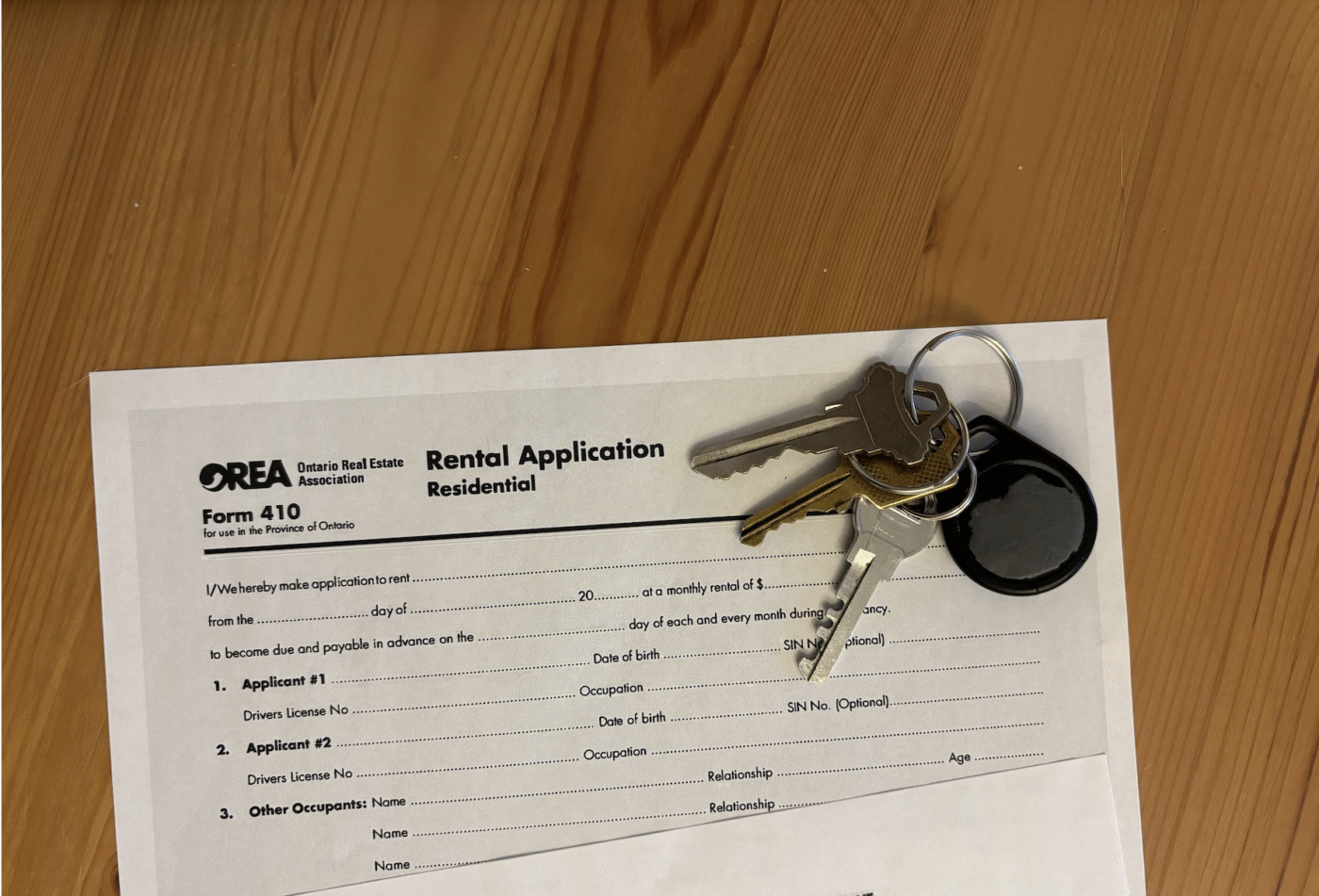
Documentation needed to rent in Toronto
Under the Ontario Human Rights Code, you have the right to equal treatment in housing without discrimination. This means that a landlord can’t discriminate against you based on your identity in terms of race, religion or disability — nor for receiving public assistance.
- The Code also says what landlords can ask for when choosing tenants: rental history, credit references and/or credit checks — but a lack of rental or credit history shouldn’t count against you.
- A landlord can ask you about your income, but they must also look at any available information on your rental history, credit references and credit rating.
- Income information can only be considered on its own when no other information is made available, and only to make sure you earn enough to pay the rent.
- Unless you’re applying for subsidized housing, it’s illegal for landlords to apply a rent-to-income ratio, such a 30 per cent rule.
- Landlords can only ask you for a guarantor to sign the lease if they have the same requirements for all tenants.
What to be aware of when signing rental agreements
- Be aware of rental scams and protect yourself by following these fraud prevention tips.
- Request that the landlord use a standard lease form. The Ontario government has a standard lease form that tenants have a right to request from their landlord.
- You can always try to negotiate with a landlord, especially if there’s no other competition, to get a lower rate of rent or have things added or removed from the contract.
- No pet clauses in tenancy agreements are void under the Residential Tenancies Act (RTA). However, a landlord can apply to evict a tenant if the pet causes undue damage, infringes on the reasonable enjoyment of others, or poses a danger.
- Your rental agreement determines whether or not you have to get insurance, and whether or not your landlord can ask you for proof of insurance. For more information, check out The Green Line‘s guide to tenant insurance.
How to protect yourself once you're in a rental
Once you’ve found the perfect rental, the fear of getting evicted can be real.
According to research by the Advocacy Centre for Tenants Ontario, 42 per cent of Ontario renters have either been evicted themselves or have a friend or a close family member who has been evicted in the last 10 years.
That’s why we put together some resources to help you protect yourself.
- Join/start a tenants union. If there isn’t an existing union to join, reach out to the Federation of Metro Tenants’ Associations (FMTA) or ACORN Canada for support.
- Check out our Action Journey “How to deal with evictions in Toronto,” for the basics you need to know about your rights, the steps to fight an eviction notice and the resources available to help you.
- If your landlord tries to increase your rent above the legal limits, you can fight back. Check out our guide on fighting above-guideline rent increases for the steps you can take.
York South-Weston Tenant Union member and organizer Amy Nyp recommends “document, document, document.” She explains, “even if you think it’s nothing, document. Make sure you have a date, time, etc.” It was through documenting issues that her building was able to successfully fight an above guide rent increase (AGI).
Fact-Check Yourself
Sources and
further reading
Don’t take our word for it — check our sources for yourself.

Join the conversation