
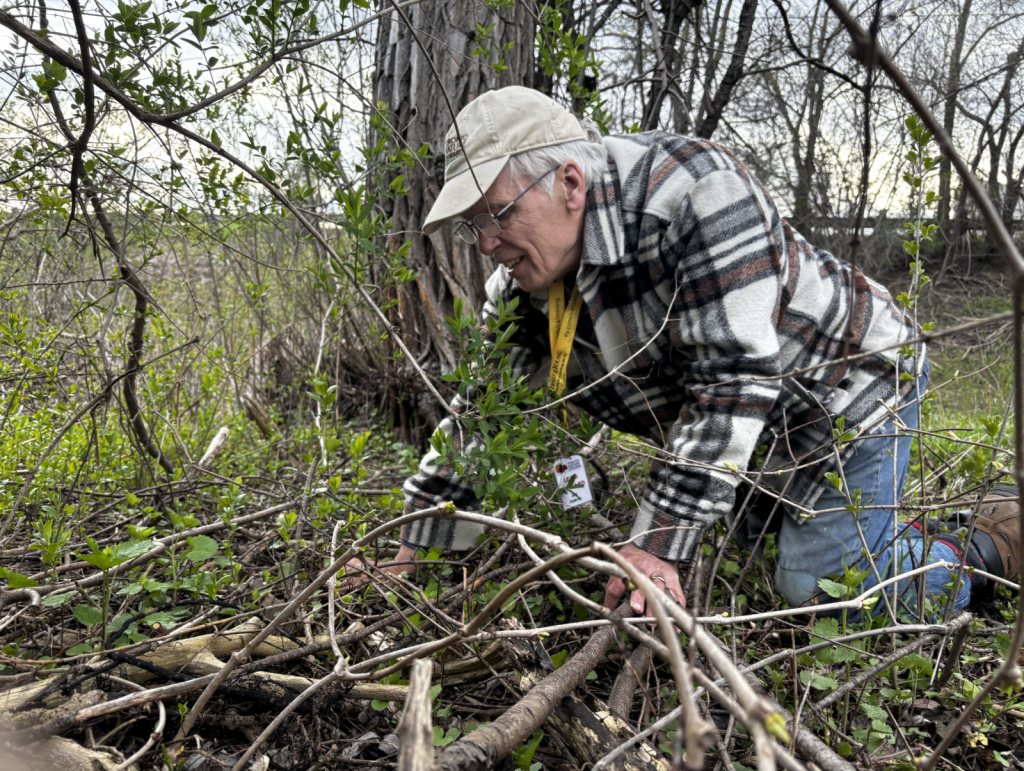

Tuck your pants into your socks and touch some grass — or pluck out unwanted weeds.
Every other Thursday at 6 p.m., volunteers from Toronto Nature Stewards meet at the Charles Sauriol parking lot in Flemingdon Park to clean up the Lower Don River Trail from trash and invasive species.
“Our organization occasionally has one-off events where we just invite anyone in the community to come and work with us. But most of our work is done on regularly scheduled stewarding sessions in which we ask people to sign up,” says Jim Purvis, one of Flemingdon’s lead stewards.
If you’re interested, you can head to Toronto Nature Stewards’ website to sign up. You can choose from 50 different sites, including on the Toronto Islands, each with its own schedule.
What do nature stewards do?
On the last Thursday of April, Jim and two other lead stewards, his wife Anne and Flemingdon resident Najeeb Siddiqui — warmly titled the site’s grandpa — welcomed a small group of volunteers keen to be in nature.
Jim and Anne Purvis talked about the site’s history, from its Indigenous roots to the woes that plague it today and explained how to identify unwanted herbs. This time, it was garlic mustard that needed to be plucked out. Other times, it’s European buckthorn or dog strangling vines.
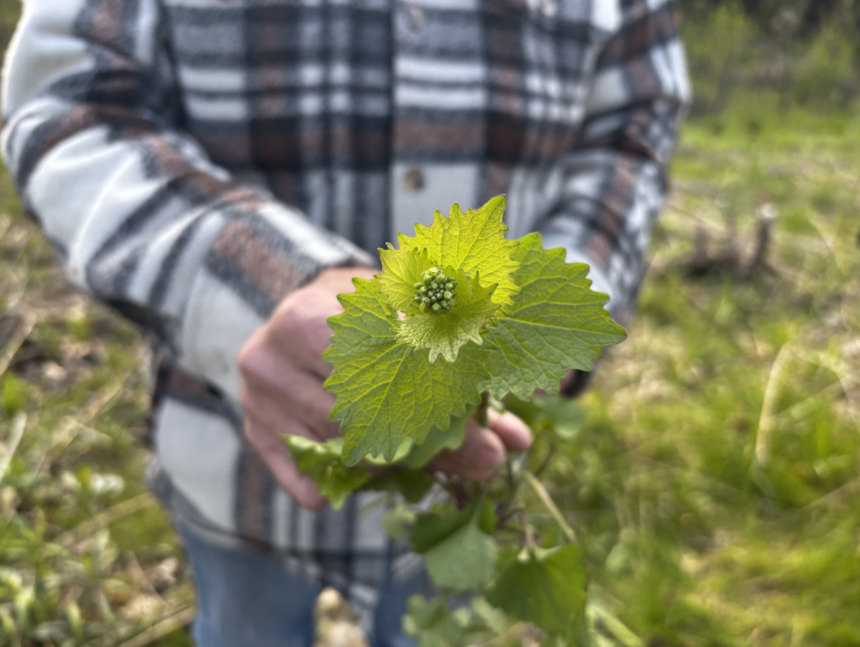
📸: Yara El Murr/The Green Line.
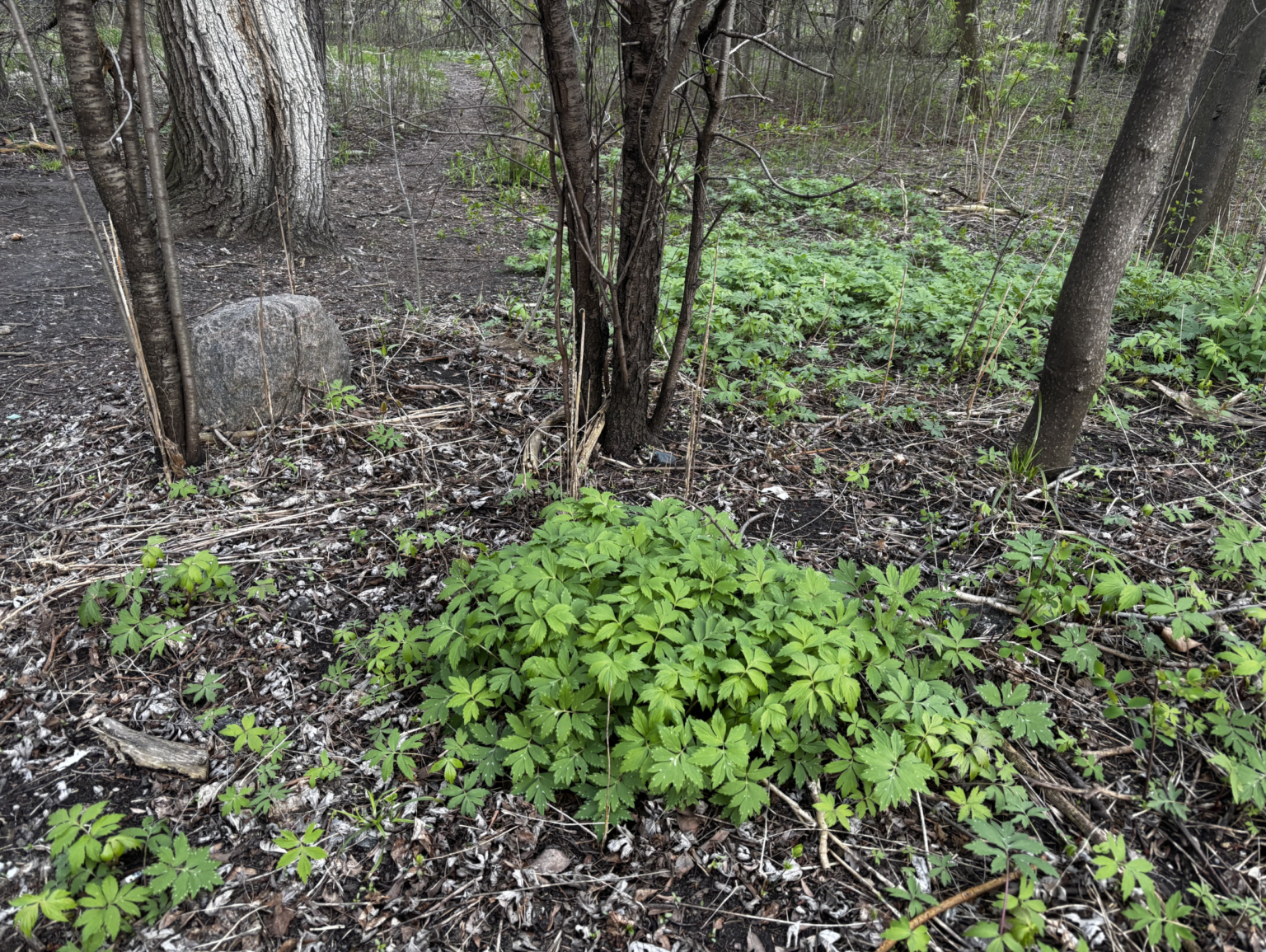
📸: Yara El Murr/The Green Line.
Invasive species generally refer to plants and trees brought by settlers from a different environment. They don’t fit in the ecosystem — or circle of life — of the new places they were brought to for many reasons. They grow aggressively and alone, changing the soil’s chemistry, which means they don’t allow other plants, specifically native plants, to flourish.
They also don’t support native pollinators and insects. So, when the balance of nature is disturbed, the effects cascade onto many elements of the native flora and fauna.
The Toronto Nature Stewards, Jim says, are trying to phase out the term “invasive” to use introduced, aggressive species instead. If you want to know why, check out the video, below, answering this very question (based on popular demand), as well as these two articles: “‘Is it good or bad?’ Rethinking language around invasive species,” and “The war of the roses: demilitarizing invasion biology.”
As Jim examines every herb and plucks the garlic mustard, he reflects on what the site would’ve looked like before European settlers arrived with this herb.
“Under the trees at this time of year, you’d find trilliums — Ontario’s native flowers — blooming, jack-in-the-pulpit, bloodroot, mayapples and other forest floor plants that are Indigenous to this area,” he says. “Now, if you look around the East Don area, the Taylor Creek area, you’ll see almost none of the forest floor plants that are supposed to be here in a healthy Ontario ecosystem. Instead, it’s mostly aggressive, introduced species such as garlic mustard.”
That’s why, aside from pulling invasive species and picking up trash, Toronto Nature Stewards tries to reintroduce native flowers. Last year, the Flemingdon group planted spring ephemerals, such as mayapple, bloodroot and wild geranium, which are all early flowering species that bloom before the tree canopy fills in and shades the forest floor. The group is also starting to notice trout lilies, false Solomon’s seals (also called false lilies of the valley) and toothwort flowers in their site. All these species are a source of pollen and nectar for early pollinators.
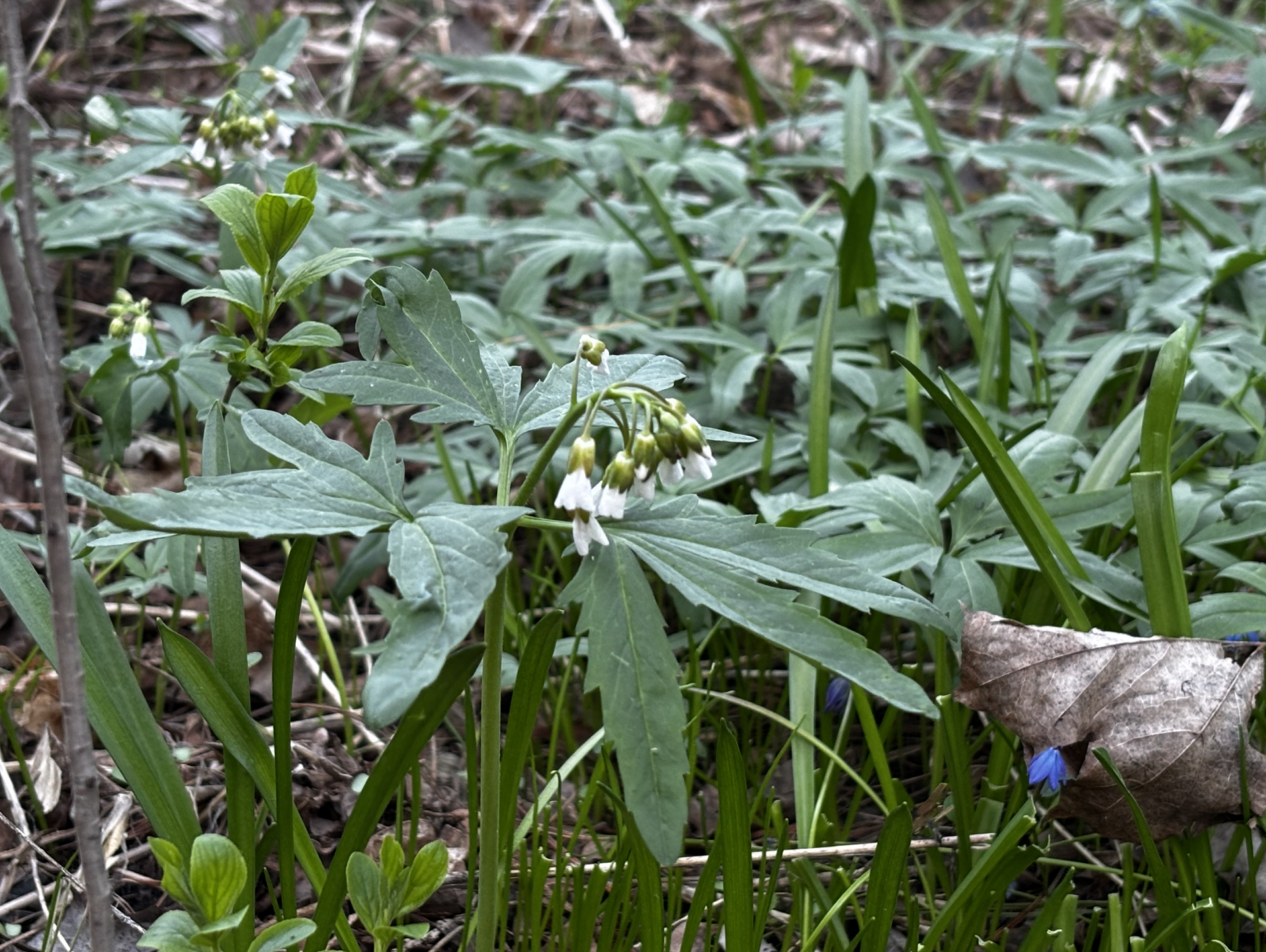
📸: Yara El Murr/The Green Line.
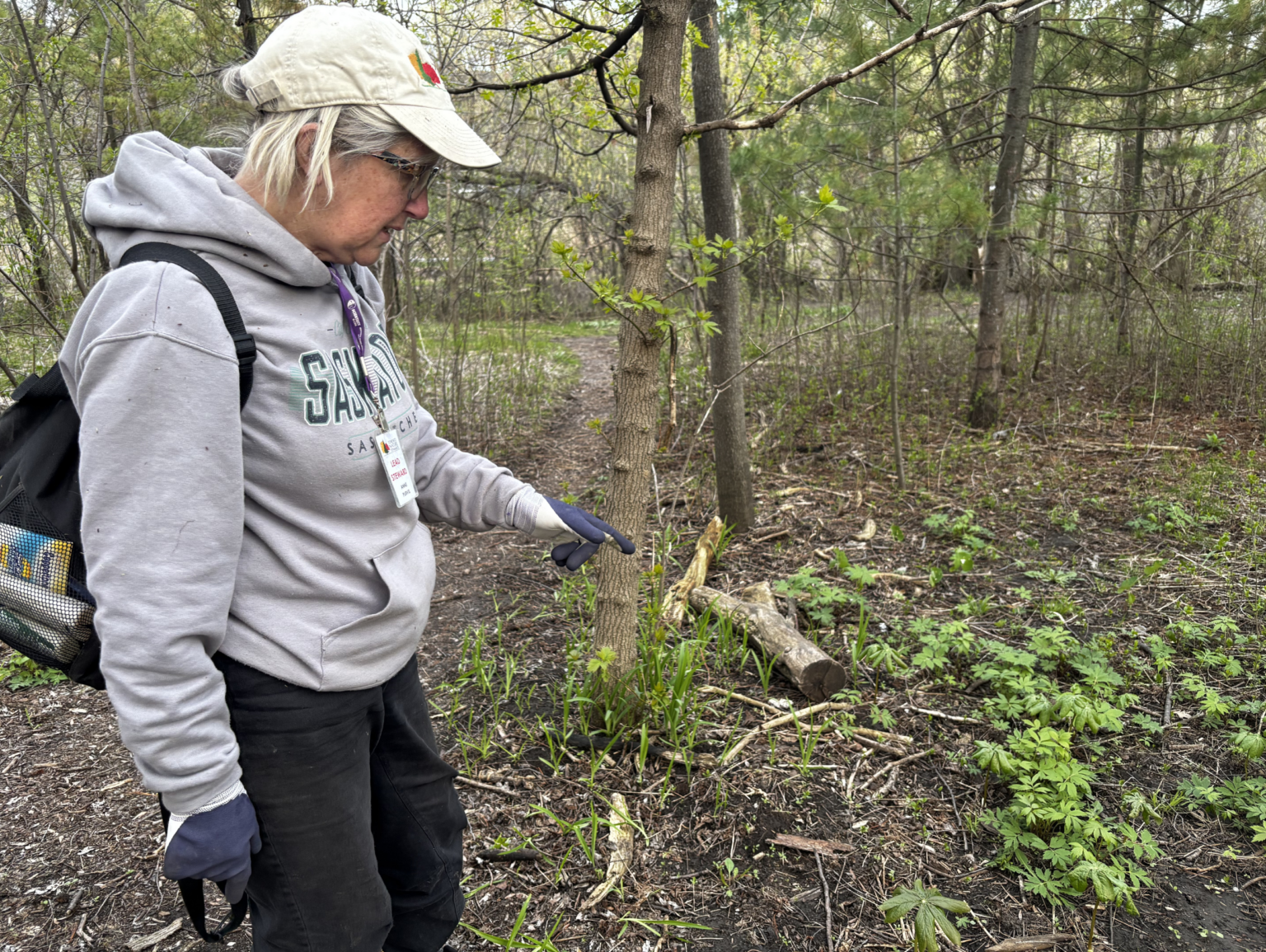
📸: Yara El Murr/The Green Line.
Throughout the summer, lead stewards and volunteers will continue to pluck unwanted plants and seed new ones.
At the end of each session, which is about two hours, lead stewards are intentional about carving out social time for people to chat, get to know each other and share snacks.
Can anyone remove invasive species?
In general, it’s illegal to remove any plant from parks, ravines and trails in Toronto. However, the Toronto Nature Stewards organization has an agreement with the City of Toronto to do this work. The City approves each site.
The stewards follow specific protocols and are under the auspices of the University of Toronto’s Smith Urban Forest Health Lab at the Institute of Forestry & Conservation.
The online volunteer registration form includes everything you need to know and sign before you join a stewarding session.
How do you get to the Flemingdon Park stewarding site?
For the Flemingdon site, volunteers meet in a parking lot near the Lower Don River Trail.
- If you don’t drive, you can take the 100, 72 or 25 bus to Overlea Boulevard and Gateway Boulevard and walk to the start of the trail. You’ll have to walk parallel to the road on a pedestrian/cyclist street, then take the stairs down to the parking lot.
- Or you can take the 8 bus to O’Connor Drive at Coxwell Avenue, then walk through a park, down a set of stairs, along the river and finally under the highway for 15 minutes. (I tried both roads, and the first option is easier in my opinion.)
- If you don’t drive, you can take the 100, 72 or 25 bus to Overlea Boulevard and Gateway Boulevard and walk to the start of the trail. You’ll have to walk parallel to the road on a pedestrian/cyclist street, then take the stairs down to the parking lot.
- Or you can take the 8 bus to O’Connor Drive at Coxwell Avenue, then walk through a park, down a set of stairs, along the river and finally under the highway for 15 minutes. (I tried both roads, and the first option is easier in my opinion.)
Fact-Check Yourself
Sources and
further reading
Don’t take our word for it — check our sources for yourself.
Join the conversation