
News flash: You don’t need a backyard to grow your own food!
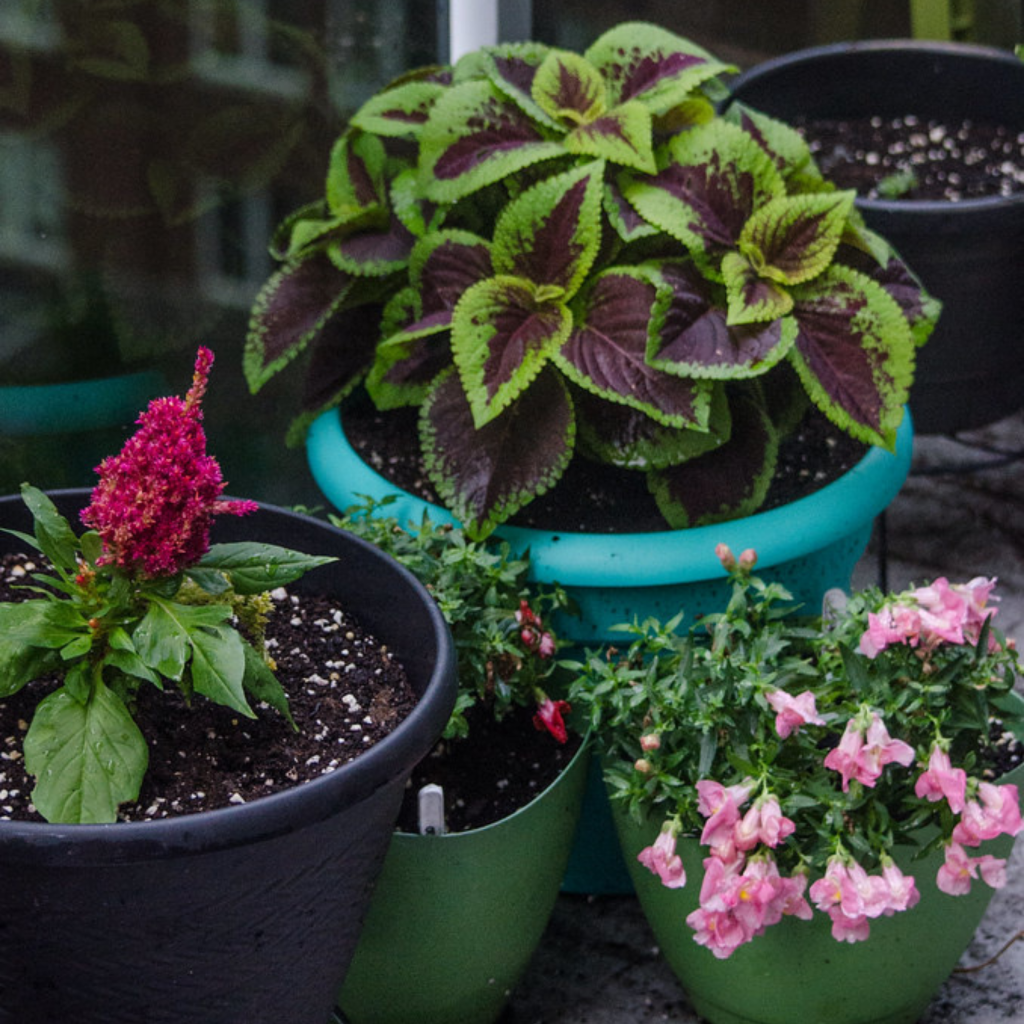
Torontonians are letting their balconies, patios and windowsill spaces go to waste. Use those small corners that you pay astronomical rent for and turn them into a little garden area.
We’re taking a page from The Green Line‘s senior editor and reporter Yara El Murr, who’s spent the past few months researching how Toronto’s urban farmers grow their own food for our August Action Journey (AJ) and transferring that knowledge and more into our own little guide on balcony gardening.
One of our AJ attendees, Thi Isberto from Scarborough, laid it out like this, “Start small, one pot at a time, just start and you’ll learn so much.”
Step 1: Assess your space and your goals
It’s important not to get ahead of yourself and take some time to analyze your growing space situation. Start by asking yourself these questions:
- What do you actually want to grow and eat?
- Are you building an army of herbs or are you more focused on potatoes, tomatoes and peas?
- How much space do you have?
- Take some quick measurements, assess if you’re going to focus on vertical growing plants like peas or tomatoes or if you can plant wide and deep like carrots or potatoes.
- Do you have sturdy railings where you can hang pots?
- How much sunlight does your balcony receive, and what direction are you facing?
- Do you get a lot of morning or evening sun? Are you completely blocked from shade by another apartment building?
- The City of Toronto has a couple of plant suggestions for shady and sunny areas.
- Which direction is your balcony facing? North, south, west, east or a mix?
- Do you get a lot of morning or evening sun? Are you completely blocked from shade by another apartment building?
- What are your balcony weather conditions like?
- Will you only be able to grow sturdy stalk plants due to harsh winds?
- How often will you be able to water your plants?
- Do you have to go through multiple rooms to get water? Do you travel often?
P.S. Check for building limitations and balcony safety suggestions:
- Check your lease, condo rules or property-management guidelines for anything about growing food on your balcony, if you can have pots on your railings, etc.
- According to the Government of Canada’s publication on container gardening, soil and water can hold a lot of weight, so evenly distribute pots across your space (another reason to start slow).
Step 2: Start small and pick what you’ll actually eat
Again, don’t overwhelm yourself. I am an all-or-nothing type of person sometimes, and I learned my lesson when I first started balcony gardening. I wanted all these different kinds of plants that were complementary in their growing styles, and let’s just say it wasn’t a fruitful season then.
Start with a couple of plants and watch how your space responds.
AJ attendee and The Beaches resident, Dilan Aktepe, similarly recommends starting with beginner-friendly crops like potatoes and learning from experimenting.
There’s no point in growing vegetables you aren’t comfortable cooking with or won’t actually make meals with. My balcony farm favourites are herbs! I add them to all my meals; I garnish my pasta dishes with basil and make salads with dill.
Step 3: Be cost-effective with your purchases
I’ve probably spent less than $50 on all my gardening supplies because I was smart and thrifty with it.
I asked friends and family if they had any extra pots, soil and seeds lying around that I could give a new life to. You never know unless you ask!
- Thrift stores will be your new best friend!
- If you’re thinking of buying new pots or pot holders, just know there are already so many that exist and are waiting to be used again. So, check your thrift stores sections and get creative.
- An old plate or serving tray can turn into a plate to hold a pot that prevents water damage to your balcony floor. Any bucket or pot can have a drainage hole added to it (make sure you don’t have paint chips mixing in with your soil from old containers though).
- Find low-cost or free soil and seeds
- The City of Toronto has free compost events, so keep an eye out for that.
- Starbucks has free coffee ground compost bags at most locations and instructions on how to use them in your garden.
- Any local coffee shop would probably be up for saving their grounds for you, but be nice and bring containers that they can simply scoop them into.
- Check with urban gardeners if they have soil or compost to spare.
- There are plenty of seed libraries across the city; all you have to do is search a little!
- The Carrot Green Roof and Garden occasionally offers seeds, usually to more experienced gardeners, but it never hurts to ask.
- Check neighbourhood groups on Facebook to see if there is anyone local willing to share some seeds from their own garden.
- Toronto Seed Library has a couple of locations across the city where you can pick up seeds.
Step 4: Grow, share and repeat
Now that you’ve gathered all your supplies and know your space in and out, it’s time to start the actual gardening part.
- Set up your containers on your balcony, patio, windowsill and mix up the soil and compost.
- Add in your plants, seeds and/or seedlings and water generously.
- Keep in check with your plants: Watch if they need to be moved into or out of the sun, and whether they are drying out or getting extra water.
- Be patient: It’ll take a long time till you can harvest, unless you’re maintaining a well-grown herb plant that you can pick right away.
- Just like you got your start from neighbours, friends and family, give back what you can!
- Share extra produce with those around you, drop them off at community fridges and trade seeds with others.
Got some extra tips for us? Send me an email at julia@thegreenline.to, and if you’re looking to continue growing your green thumb, read our August Action Journey.
Fact-Check Yourself
Sources and
further reading
Don’t take our word for it — check our sources for yourself.