
The Mayor of Toronto has a few different duties. Here’s everything you need to know.
This guide is part of a series for Torontonians to gain civic literacy skills before the upcoming 2026 municipal election. Stay tuned to see all 12 parts.
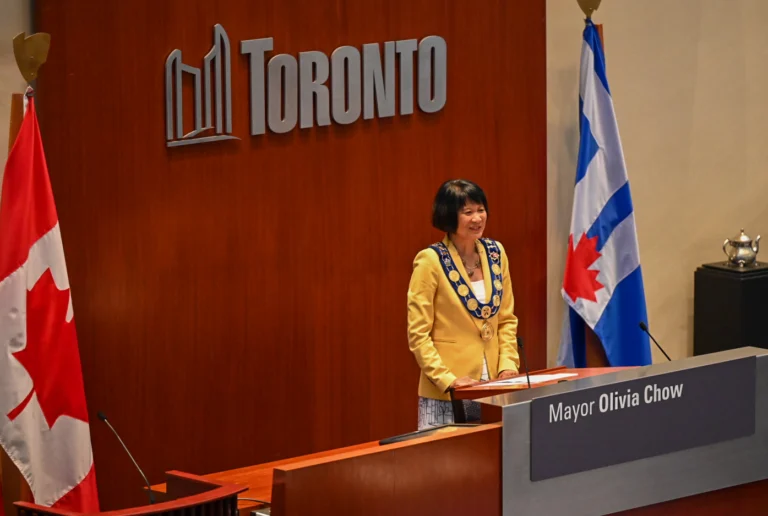
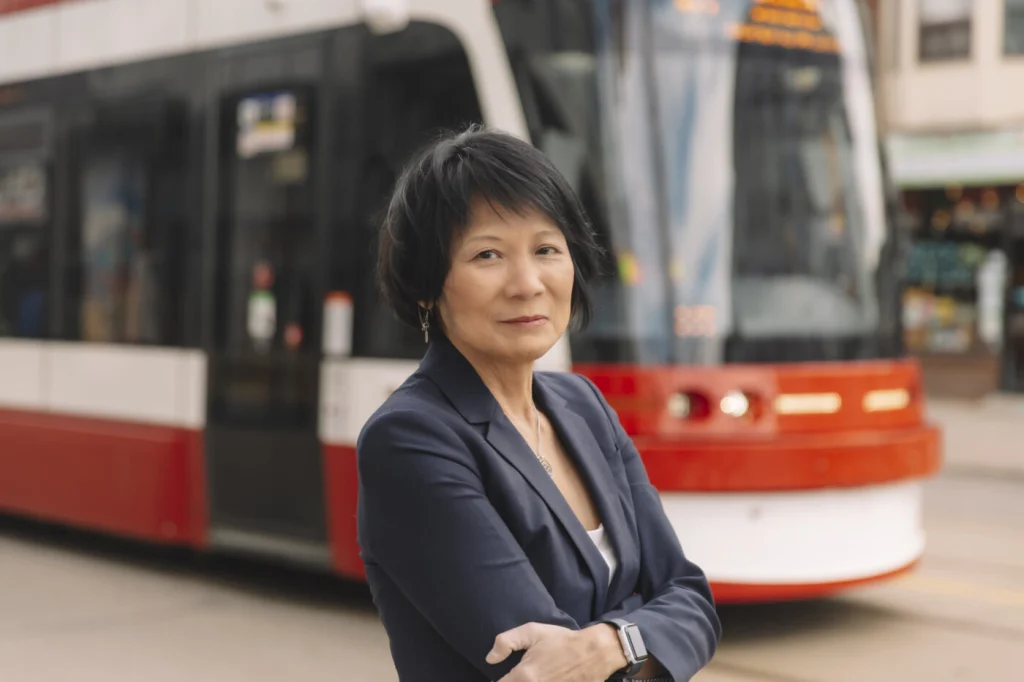
We see Mayor Olivia Chow at Caribana, announcing new housing projects and talking to the Torontonians about the upcoming TTC fare cap.
But what does a mayor actually do?
Toronto’s mayor is the head of the City Council and the city’s chief executive officer. Unlike a councillor, who represents a specific ward, the mayor has a city-wide mandate — which means they’re elected to represent all of Toronto.
The Government of Ontario gave Toronto “strong mayor” powers in 2022, which means that the mayor has more authority than they used to.
We break down what the mayor’s responsibilities are, what they can and can’t do while in office and what strong mayor powers add on.
What can the mayor actually do?
1. They lead City Council
It’s the mayor of Toronto’s duty to be a leader to City Council, while also chairing the Executive Committee. But they also have a say in how the municipal government is structured.
For example, the mayor can create or remove certain council committees, they can assign responsibilities to them and appoint the deputy mayor, committee chairs and vice-chairs.
2. They represent Toronto to other governments
The mayor doesn’t exist in a city-wide bubble. They’re the political figure that represents us to other governments too, including the provincial and federal governments.
This could look like asking for more funding, or advocating for Toronto’s needs. Just recently, the Government of Canada announced it will be investing $2.7 billion into the City of Toronto’s housing projects over the next three years.
The City of Toronto can’t choose how everything runs by themselves, because the City doesn’t control things like rent increases, transit infrastructure and more which is why it’s important to work in collaboration with the other levels of government.
3. They have a say in the city budget
The city budget shows a clear distinction between the roles of a councillor and the role of mayor.
The mayor can propose the City’s budget and councillors can then propose amendments to it. While the mayor doesn’t have full control over funding for transit, housing, roads, parks and more, they can actually veto amendments made by City Council. The council can override the veto, but it requires another vote.
4. They can appoint and dismiss senior-level City officials
The mayor has the ability to appoint and dismiss the City Manager who runs Toronto’s public service. That role oversees the City’s administration and its staff.
What can the mayor not do?
Your mayor can’t singlehandedly fix all the problems you have. They can’t:
- Decide your rent
- Control the TTC’s every decision
- Give you OSAP
- Tell your councillor how to vote on issues that impact you
A lot of things that impact Torontonians on a day-to-day basis have nothing to do with the municipal government and everything to do with the provincial and federal governments.
That’s why knowing which level of government is responsible for your issues matters.
What are the special duties that the mayor has?
You might be wondering who decided that the Mayor of Toronto should have more power? The answer for that is none other than the provincial government.
In 2022, the Ontario government introduced the change. The legislation passed and took effect late that year.
These special powers are:
- Bring matters to City Council
- Appoint a City Manager
- Hire or fire certain City officials and decide the organizational structure of the municipal government
- Create council committees, assign their purposes, appoint the chairs and vice chairs of these committees
- Bring certain issues to council to support the Province of Ontario’s goals, or veto decisions from council if the mayor thinks they’d get in the way of Ontario’s goals.
- Propose the city’s budget.
How can you influence the mayor?
If your issue impacts you specifically in your neighbourhood, I’d reach out to your councillor first. But if you’re looking to get noticed by the mayor, you can do a few things.
- Contact their office by email or schedule an appointment
- Speak at a committee and make a deputation
- Pay attention to the budget in order to attend a consultation
- Vote for the candidate you think has Toronto’s best interest at heart
Still got questions? Don’t fret. You can reach out to us to answer all your civic needs.
Fact-Check Yourself
Sources and
further reading
Don’t take our word for it — check our sources for yourself.