

THE GREEN LINE GUIDE TO...
How to make a deputation at Toronto City Hall

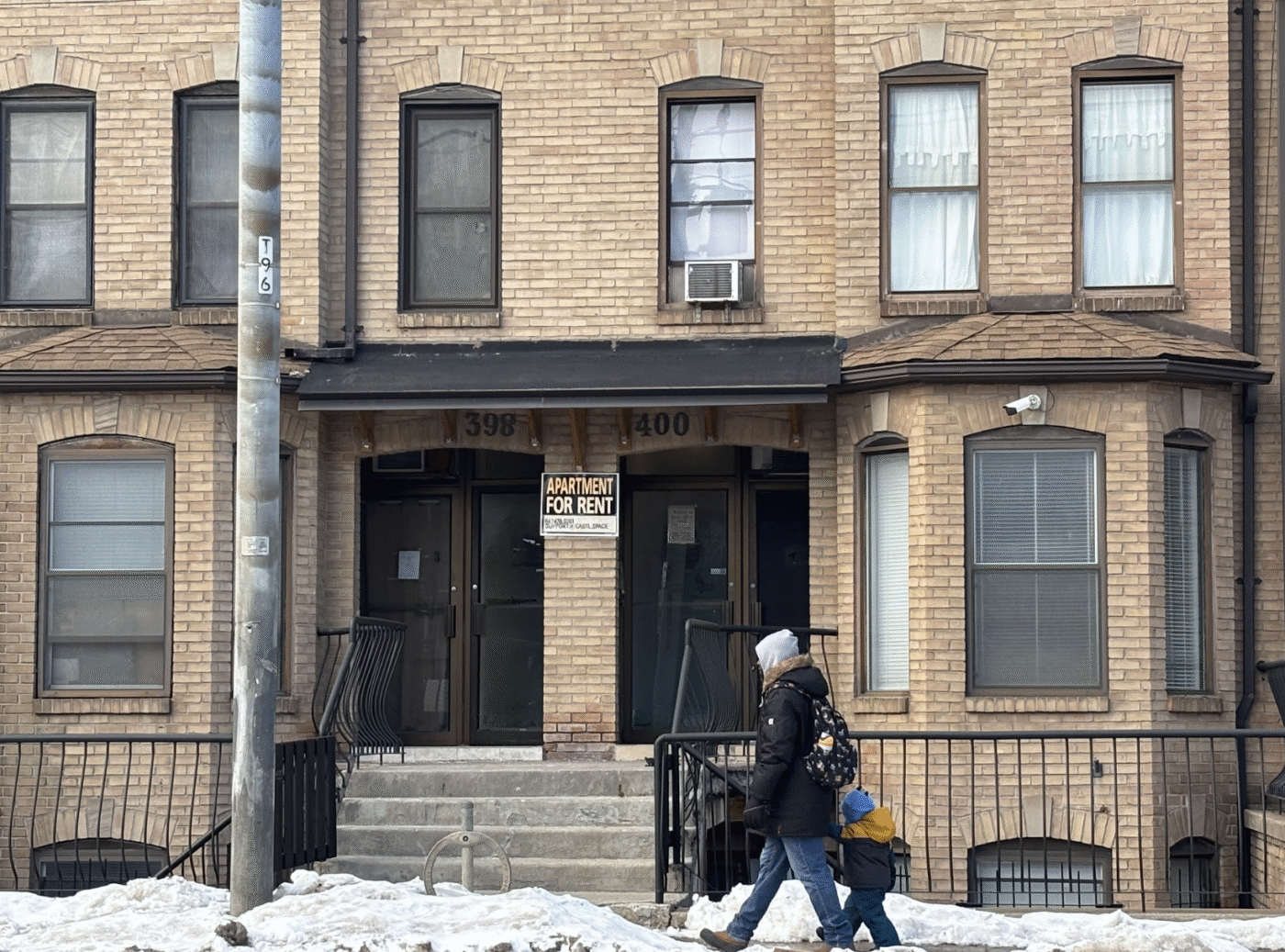
Kathy MacDonald speaking at a Housing and Planning Committee meeting at City Hall.
 : Martha Gai/The Green Line.

AIA JABER
Philosophy lover, Mississauga native and current Toronto Metropolitan University Master of Journalism student. Can be found at one of the new Arabic coffee shops opening in the GTA.
Feb. 13, 2026
This guide is part of Documenters Canada, which is partly funded by the Social Sciences and Humanities Research Council of Canada (SSHRC). Learn more about our program here. The Green Line maintains full editorial independence to ensure journalistic integrity.
Deputation is a direct way to make your voice heard in your community.
Whether it’s at a city council, school board or community meeting, deputing gives you the opportunity to speak to decision-makers, share unique and collective experiences and influence the issues that matter most to your community.
For many people, the process can feel intimidating — especially when it’s your first time — but with preparation, anyone can depute confidently and effectively.
In Toronto, you can create and share a presentation on a specific agenda item at a committee or local board meeting by registering to speak in advance. Deputations are typically up to five minutes long and become part of the official record, regardless of if conducted by video, phone or in-person.
This guide will take you step-by-step through the process, from understanding the rules, preparing your speaking points to delivering your speech.
Step 1: Know what you want to depute for and when
The most essential step to making a deputation is to know exactly what you’re advocating for and when.
- Identify the issue you care about. Perhaps you saw something on social media or maybe it’s an ongoing problem within the city that is discussed on a recurring basis.
- Ask yourself what you want changed and who’s impacted by the problem. Is it just you or is there a community that experiences similar issues?
- Find out what local governance committees or boards are working on it.
Most decisions made in the City of Toronto start by a discussion at committees, which meet regularly at City Hall. That’s when you can chime in. To find out where you can depute, you need to find a meeting that matches the issue you care about. You can do this by sorting through meeting agendas found on the City’s website.
By clicking on a meeting, the website takes you to an itemized page that shows you discussion points. Then, you have the option of viewing the agenda, looking more closely at what's being discussed, who's in attendance and more.
If you want to better understand how decisions are made at City Hall, check out The Green Line’s Documenters Field Guide, where we break down the civic process, how to take effective notes and the importance of public meetings in Toronto.

An illustration for Documenters Canada.
🖼️: SARA MIZANNOJEHDEHI FOR THE GREEN LINE.
Step 2: Know the Rules
Before you register and prepare your speech, it’s essential to know how deputations in Toronto work.
- Deputations are done during committee meetings, not full City Council — with some exceptions, such as decisions made under the Ontario Planning Act.
- You have to register ahead of time.
- You have the opportunity to present in-person at City Hall, the Scarborough, North York or Etobicoke Civic Centres or by video.
- You have a maximum of five minutes (unless otherwise specified) to speak. You’re free to also share slides.
- Committee members may ask you questions afterwards and your responses are included in the five-minute limit.
- It’s important to stay respectful and avoid any offensive language, signs or disruptive behaviour.
- Deputations are part of the official record. Most meetings are recorded, livestreamed and later saved on Youtube. Your speech, your name and any information you disclose becomes publicly available. This ensures transparency.
It’s important to note that deputing at committee meetings is different from speaking at community consultations. In a deputation, you can’t ask councillors or city staff questions. Meanwhile, you do have this opportunity during community consultations. If you’re interested in learning more about that, check out our guide to participating in community consultations.
Step 3: Register to Speak
You can register to speak by contacting the committee email listed on the Committees page. The City of Toronto has formatted its website to allow a “Request to Speak” button with each agenda item to make it more convenient for you.
- Deputants should register by 4:30 p.m. the day before the meeting.
- Once you have registered to speak, you will receive an email with important need-to-knows for your meeting.
- If you have any materials, such as a slideshow or report, you must email them to the Clerk.
Step 4: Prepare your presentation
Preparing your deputation is the most important step in the process. A strong speech isn’t just about passion, but also delivery!
- Remember to clarify your goal with as much specific detail as you. What is it that you want changed and taken into account as decisions are made? For example, if you're passionate about the TTC incorporating a fare cap, mention when you think the fare cap should come into effect for riders whether that's 40 or 20 trips in a month.
- Include your name and why you are there, as well as if you’re speaking on behalf of any organizations.
- Include lived experience if you’re comfortable and if it’s appropriate.
- Explain why this issue matters beyond you. Use statistics, reports and evidence to support your argument.
- Don’t take on too many ideas at once. Make sure your presentation relates directly to the agenda and remember you only have five minutes to depute and answer any questions.
- Your speech should be simple and easy to follow.
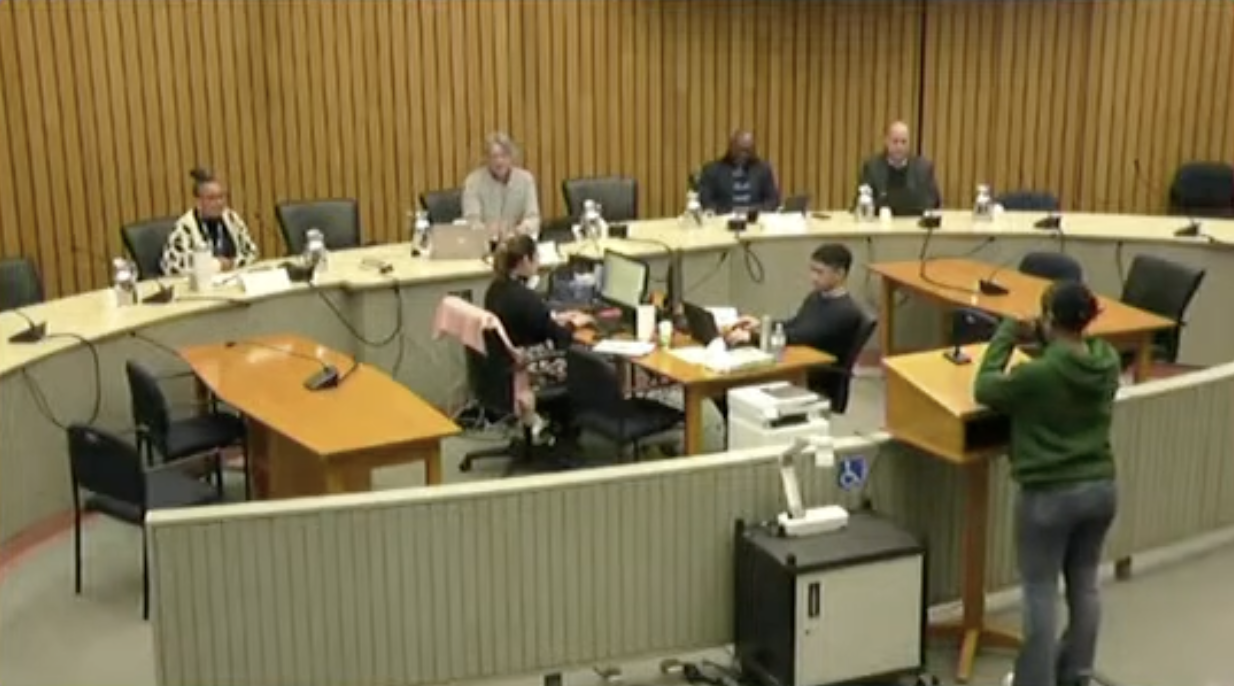
Ruth Alemayehu giving a speech during budget deputations at the Etobicoke Civic Centre on Jan. 22, 2025.
📸: Toronto City Council/Youtube.
Some tips and examples from deputants:
Deputing can be nerve-wracking, says Ruth Alemayehu, a member of Toronto Youth Council. She spoke at the City of Toronto’s budget deputation on Jan. 22 (you can hear her starting 00:25:00). Here are some tips she shared:
- Reach out to community groups in your area as a starting ground.
- Write your own speech, but seek help from friends or relevant organizations. For example, the Toronto Youth Cabinet supported her writing.
- “Strong deputations are the ones where people bring a story, like a personal lived experience,” she added.
- Look out for public trainings that can help. Alemayehu shouted out Progress Toronto, a non-profit that holds workshops on how to deliver a deputation. It offers virtual seminars to help in preparing the speech.
Another example of a strong deputation is one delivered by August Puranuth, a member of TTCRiders who spoke at the Toronto Transit Commission budget meeting on Jan. 7, 2026. The committee discussed fare freezes, fare caps, increased service for the 2026 FIFA World Cup and more. Puranuth, who starts speaking at 1:00:24 in the recording, made a strong case for fare capping after 40 taps and called for RapidTO bus lanes.
Step 5: Attending the meeting
The day of your deputation can look differently depending on whether you attend the meeting in-person or online. Let’s break it down together.
Going in-person requires you to go through a screening process to ensure the safety of all visitors and workers. Remember the speedy — and dare I say stressful — screening process at the airport? You’re doing something similar for City Hall.
- Visitors to Toronto City Hall must go through a walk-through metal detector once entering the building and before entering the rotunda. This also includes entry to elevators, council floors, committee rooms and more.
- The screening happens on the first floor of the facility. However, it's not required to access the City information desk, library, café and washrooms.
- Security staff will ask you to place cell phones, cameras, bags and any other loose items into the provided trays. If the alarm is triggered, you’ll be asked to go through the detector again or be screened with a hand-held wand. (I told you it’d be like going to Pearson.)
- Visitors with medical devices or other special circumstances should alert security staff so other screening methods can be used.
- Staff will also ask if you have any items to declare. Visitors that have any prohibited items will be asked to remove items before being re-screened. There are no storage facilities for any items.
Prohibited items include:
- Firearms and imitation firearms
- Sharp, blades and edged items
- Aerosol weapons
- Explosive and flammable substances
- Noisemakers such as an airhorn
Once through security, enter the public meeting, sit in the public gallery and be ready to present from the presentation desk available in the room.
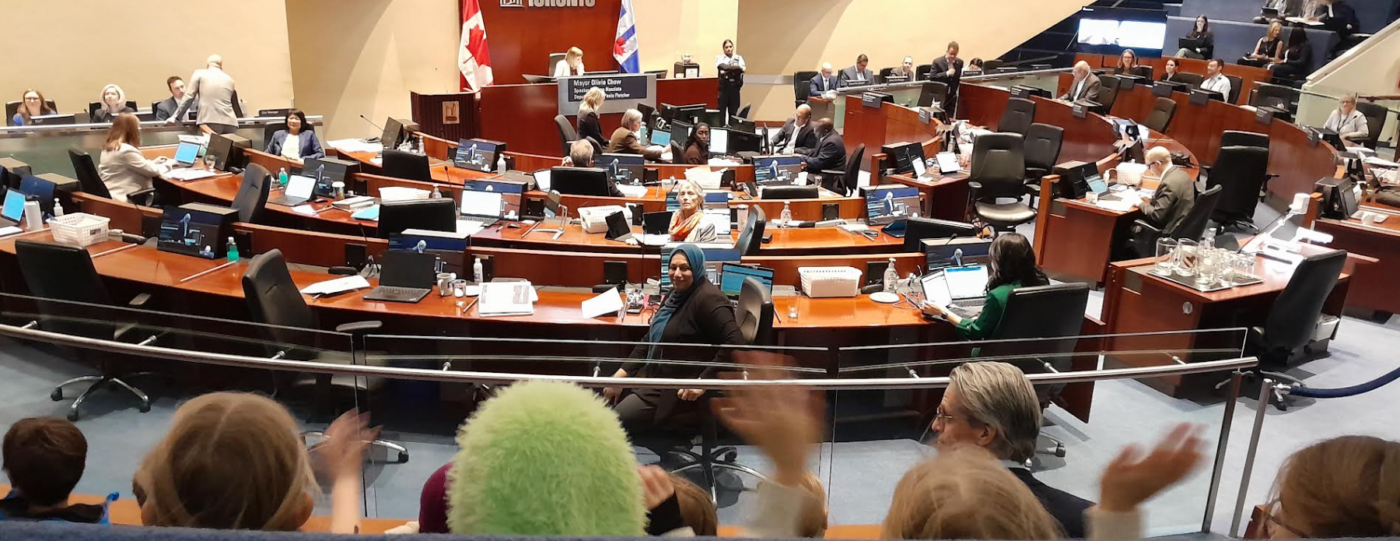
A City Council meeting featuring Councillor Ausma Malik.
 : Karen Chan/The Green Line
Attending through video conference looks a little bit different, though you still only have five minutes to present.
- To join by phone, call 416-915-6530 and ensure you’re using the same phone number you’ve registered with as part of your speaking request. Follow the prompts, enter the meeting ID and numeric event password listed in your registration email.
- To join by computer, click the meeting link that’s sent to you in your confirmation email. Enter your name, email address and event password, but be sure to use the same information you provided at registration. Click to join the meeting.
- To join by smartphone or tablet, download the Cisco Webex Meeting app. Click the meeting link in your confirmation email, tap to join the meeting, enter the meeting ID, your name and email. Don’t forget to use the same email address as you did when registering. Enter the attendee password that's also available in your confirmation email.
The electronic meeting will open 30 minutes before the scheduled time to allow for speakers to test their internet connection and audio.
The meeting only begins when the Chair calls the meeting to order and committee members review the agenda. It’s important to note that speaking time and speaker order isn’t guaranteed as how they are displayed on the Speaker’s List. Pay attention to when your name is called to start your deputation.
Step 6: After the presentation
Great job! You officially completed your deputation and spoke to local decision-makers on the importance of advocating for the needs of Torontonians like yourself.
- After the meeting, you can check the meeting minutes online to see whether your item was approved, deferred or amended.
- You can also contact your Councillor or the City Clerk to follow-up with the agenda item.
- The most powerful thing you can do for your community is to keep them in-the-know. Share your deputation to inspire and educate others.
Fact-Check Yourself
Sources and
further reading
Don't take our word for it —
check our sources for yourself.