
- Find local artists in your neighbourhood through social media and networking.
- Work with your local community centre to host arts programming.
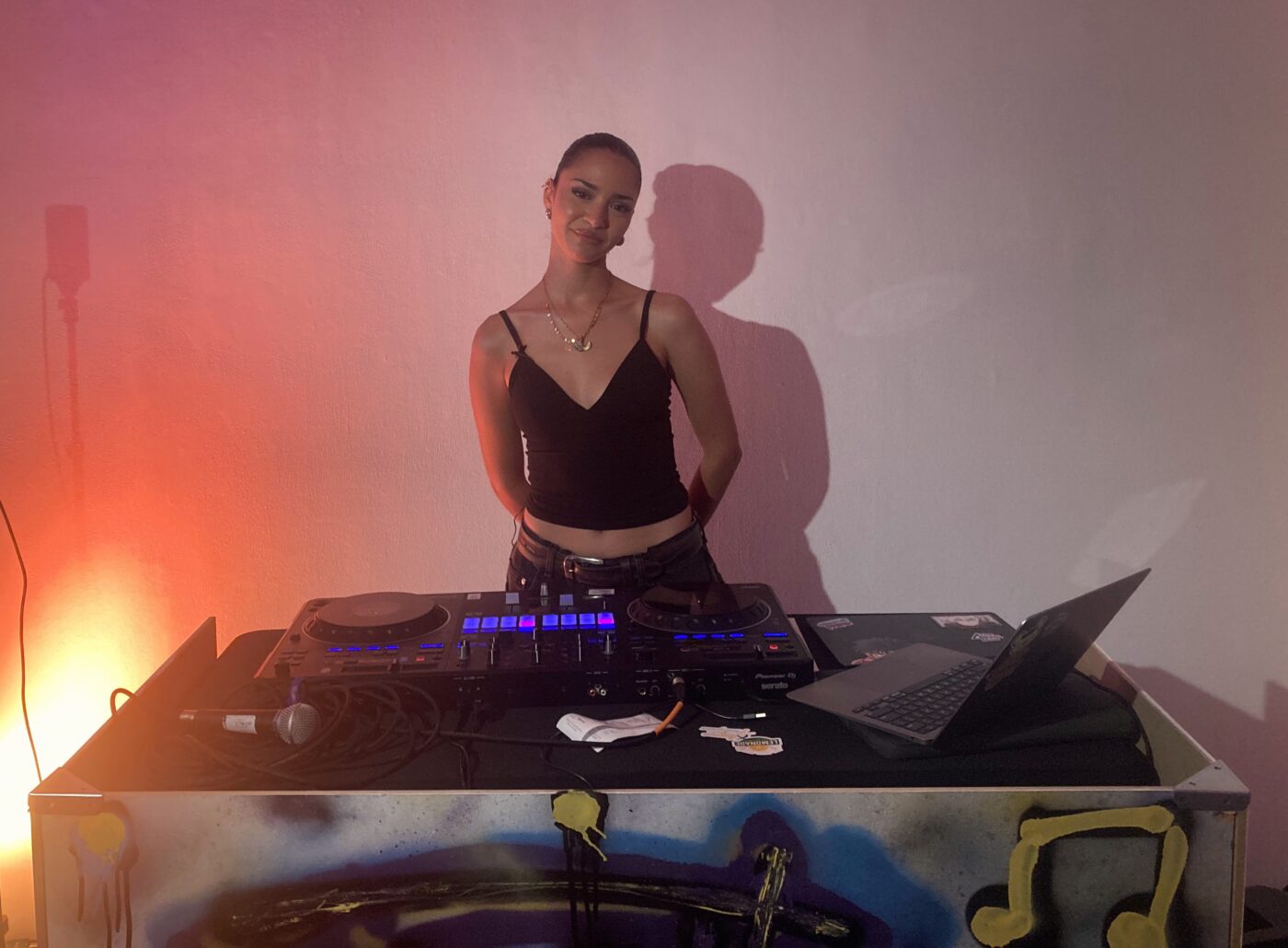
- Diversify the types of arts programs by bringing in different artists like DJs, poets, musicians, etc.
- Reach out to youth in schools around the neighbourhood and through social media posts.
- Work on big projects like exhibition-fitting photos, poems, or DJ sets for youth to add to their portfolios.
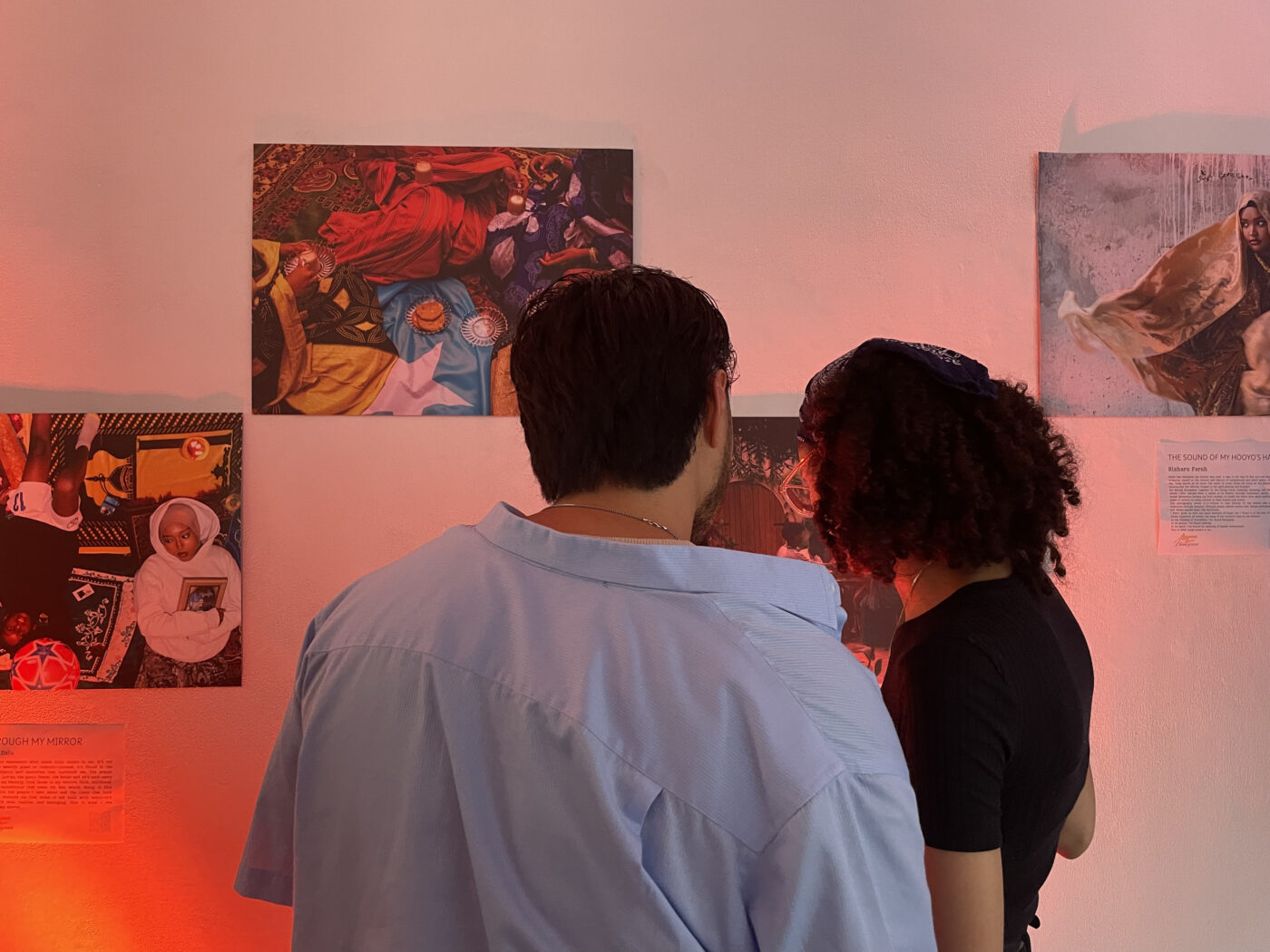
- Organize an exhibition to showcase the art and attract attention from residents.
From public art to local music festivals, downtown Toronto is the place to be. But what about people living outside of the downtown core?
Here in Mount Dennis, one group is teaching youth the skills to become budding artists in the West End.
📸: Toronto Arts Council.
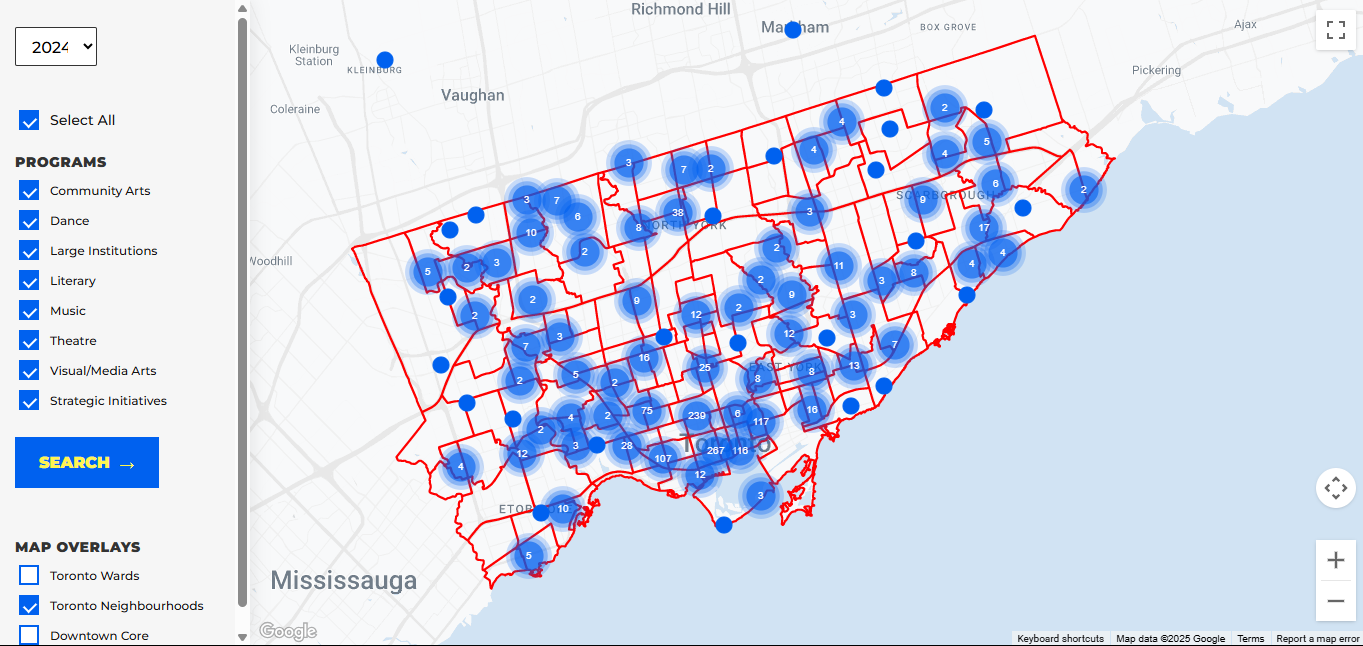
While downtown Toronto has a thriving arts scene, there are fewer opportunities in the west end of the city.
The Toronto Arts Council map shows over 600 arts programs and organizations that are funded in the downtown core, compared to only two arts programs in Mount Dennis.
So, Weston-Mount Dennis locals decided to start 4 The West End, a community-led arts organization that partners with West End artists to build up West End youth.
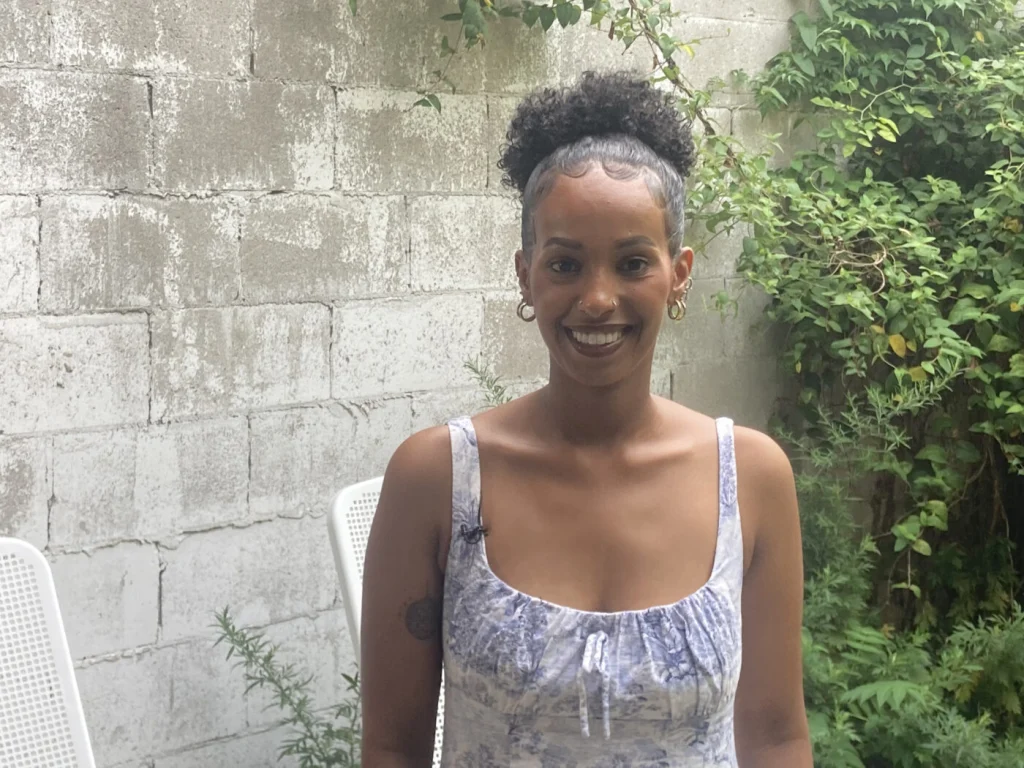
Midyan Samson, the 25-year-old executive director of 4 The West End, says that when she grew up, arts programs in the West End were short-lived — and led by people from outside the community who lacked a connection with the locals.
“We’re kind of redefining the narrative of our neighbourhoods and we get to document it and tell it through an art lens,” Samson explains.
“Oftentimes when you hear about the West End or you see things in the West End, it’s not necessarily positive things, so this gives us a chance to tell the story of our community through our own voices.”
📸: Amanda Seraphina/The Green Line.
Samson found herself meeting fellow West End artists downtown and realized the need to bring long-term arts programming to her own neighbourhood. So in November 2023, 4 The West End was launched.
The non-profit provides a variety of arts programming for youth ages 16 to 24, with local artists teaching skills like photography, DJing and poetry.
Over the summer, youth met every Saturday for 15 weeks to hone their craft, leading up to a final exhibition to showcase their art on July 31.
📸: Mary Newman/The Green Line.
“We don’t have a lot of programs like this, so we go out searching for it for ourselves, and it can be sometimes hard or detrimental. You feel like you can’t find your crew or your people or your community,” says Salma Elwishy or DJ Swish, a 24-year-old program participant.
“When you do find your community and your friends that practice the same love for art as you do, it makes it easier to want to pursue it.”
According to an Ontario Arts Council report, 93 per cent of Ontarians found the arts to enrich their quality of life, and 88 per cent believe that art builds a sense of community.
Kelly Langgard, the director and CEO of Toronto Arts Council, says that within low-income neighbourhoods, art can have a social function much like access to libraries and community centres, offering people a place to gather and have a sense of hope and possibility.
“The arts contribute to more civic engagement, and they contribute to healthier and safer communities. And we also know that just generally, arts and culture in a community creates more welcoming spaces for everyone who lives there, in particular for newcomers [and] youth.”
4 The West End will continue to run cohorts of beginner arts programming, expanding its reach to different neighbourhoods and holding its annual showcase of West End artists in November.
Fact-Check Yourself
Sources and
further reading
Don’t take our word for it — check our sources for yourself.
Join the conversation