

These meeting notes are part of Documenters Canada, which is partly funded by the Social Sciences and Humanities Research Council of Canada (SSHRC). Learn more about our program here. The Green Line maintains full editorial independence to ensure journalistic integrity.
New supportive housing is moving into South Parkdale; many in the community are in favour — with conditions.
On Feb. 26, 2026, Toronto’s Planning and Housing Committee approved a proposal for Dunn House 2.0, a 54-unit supportive housing project that will live on land leased by the University Health Network (UHN).
BECOME A GREEN LINE MEMBER TODAY
It’s important to note that the development of Dunn House 2 would require the demolition of existing an tenant home.
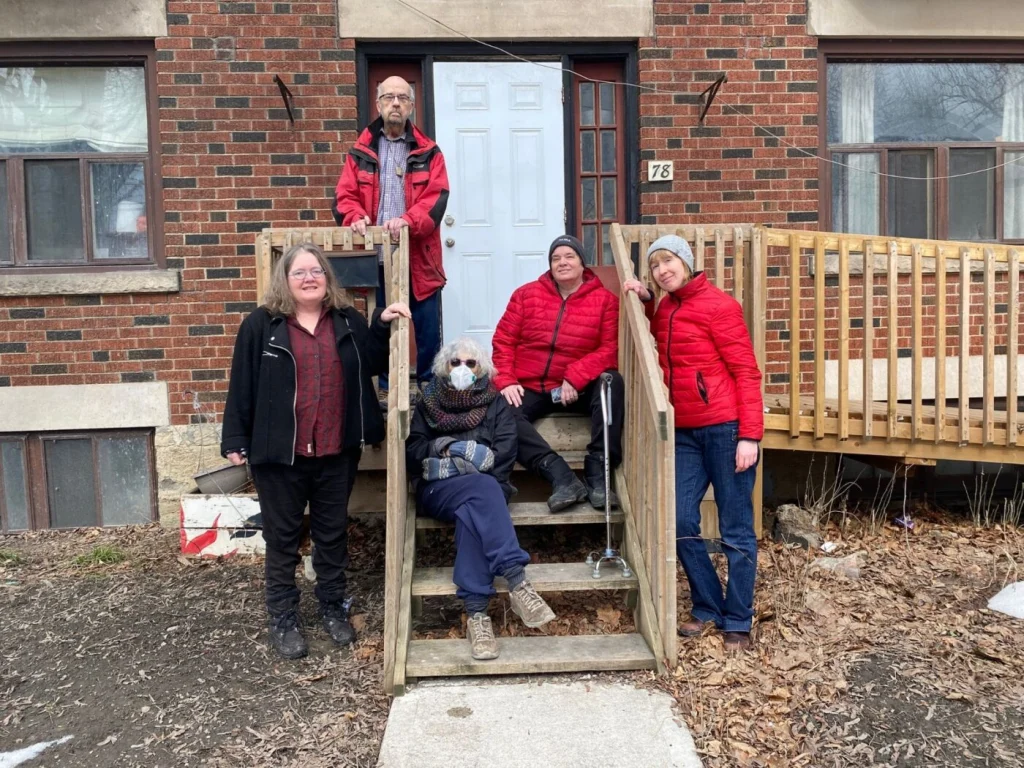
At the meeting, advocates and residents voiced their support for the project and urged the City and UHN to uphold a shared community vision they helped develop last fall. They also asked for displaced residents to be properly accommodated.
Initially, affected residents were taken by surprise as they lived with uncertainty for a month about whether their houses would be demolished, according to deputant Esther Townshend, a member of the South Parkdale UHN Tenants Association. She added the City and UHN have assured residents since then that tenants who are displaced by this development will be offered replacement housing nearby that meets their needs.
Other concerns surrounding the project were raised to the committee via email with unnamed local residents citing density and lack of parking space.
In the end, the committee approved the plan and recommended $8.1 million in funding. The item now heads to City Council for final approval.
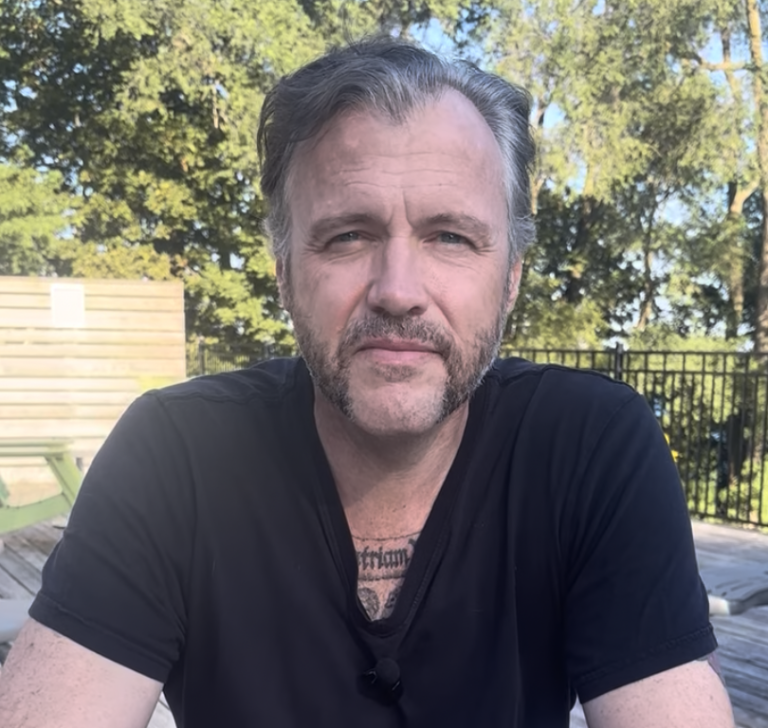
Our Documenter’s local perspective:
I’ve been tracking the developments of a second Dunn House since my last Documenters’ article about the original one in June 2025 at the Toronto Housing Rights and Advisory Committee. As a volunteer at the drop-in at the Church of St. Stephen’s-in-the-Fields at Kensington Market, the concept of social medicine housing caught my attention, because I regularly witness the health-care system sending homeless hospital patients to our church since they have no where else to discharge them to.
I was informed of the demoviction impacts of the second Dunn House from connections who live on Close Avenue in South Parkdale. I was interested in this item as someone with lived experience of being kept out of the loop on development proposals affecting their very own housing security.
One day in 2021, my neighbour in Kensington Market told me and my housemates that it’s really unfortunate that our home is undergoing plans for redevelopment with the City. Shocked and confused, we asked her how she knew this. She said that every single neighbour on our street had been mailed a notice for a development application at our home — but we were left out of the loop. A year later, a public meeting at the Toronto and East York Committee of Adjustment was held without our knowledge.
Since then, I’m no longer worried about being displaced, but I’ve stayed connected with my neighbours. I’ve begun to care more about the development application process at the City of Toronto.
The City of Toronto estimated that for every one new affordable unit built in Toronto, 15 existing private affordable units are lost. Even with the promise of rental replacement, it’s been documented that not every demovicted neighbour ends up receiving a guarantee of a future affordable place in their neighbourhood. In September 2024, I observed how empty land is used for profit, but new affordable housing comes at the cost of pre-existing supportive housing. This raises the question of the City’s need to protect pre-existing affordable units in parallel to its commitment to build more affordable units.
Fact-Check Yourself
Sources and
further reading
Don’t take our word for it — check our sources for yourself.
Join the conversation