I wouldn’t be shocked to stumble upon a $10 banana at the open-til-late Metro in my neighbourhood or at the artfully arranged organic section of a higher-end Loblaws.
And while grocery prices have (sometimes wild) discrepancies across different stores, it’s undeniable that food has become expensive in our city.
Prices for store-bought food have increased 18.4 per cent between 2021 and 2023, according to the Ontario consumer price index. This year, food prices Canada-wide are estimated to increase an additional three to five per cent, according to the 2025 Food Price Report — and we can definitely feel it.
Food prices are expected to increase further if the announced 25 per cent tariffs on American goods (and the tariffs on Canadian exports to the U.S.) are resumed. This has prompted Canadians across the country to shop local and refrain from purchasing American food products.
Food access was one of the top five issues brought up by community members surveyed by The Green Line last summer at our engagement outpost at Scadding Court Community Centre.
What’s more, the city is seeing unprecedented numbers when it comes to food bank usage. Food banks in Toronto had a record-breaking 3.49 million visits by clients between April 2023 and March 2024, according to the 2024 Who’s Hungry Report.
That’s just the tip of the iceberg.
Want to get a better grasp on Toronto’s current food affordability crisis? We break down the latest facts and figures in the video, below.
Want to learn more about the systemic issues contributing to food insecurity in Toronto — not to mention possible solutions? Dive in to our Food Insecurity in Riverside Action Journey.
Unpacking groceries: How Torontonians navigate the food affordability crisis
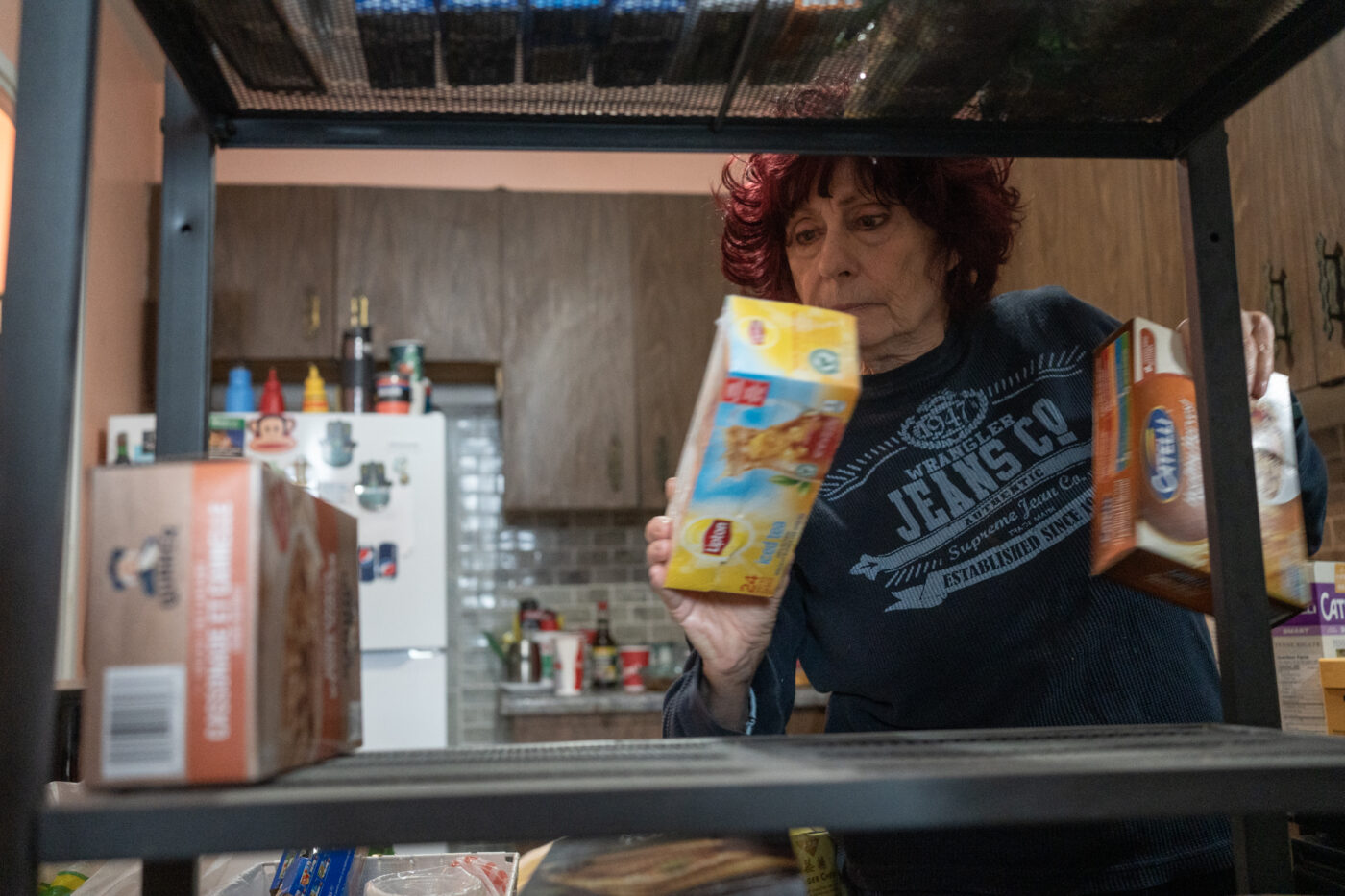
Goldie Wallensky puts away groceries in her pantry. She prepares dinner with leftovers from a community dinner program earlier in the week.📸 Allen Agostino/The Green Line.
In January, Mayor Olivia Chow declared “food insecurity an emergency across the city.”
Last year, Toronto’s food banks saw a million more clients than they had in 2023.
“And more than ever, we are seeing individuals who had never considered using food banks walking through our doors and accessing our emergency services for the very first time,” according to the 2024 Who’s Hungry Report.
More than half of the clients surveyed in the report said that the high cost of living is driving them to the food bank, even when these same clients had higher employment rates and wages, the report stated.
Food banks are no longer a last resort or rarity — they’re our new normal.
So, who are these new and returning food bank users? And what do their grocery trips look like?
Freelance photojournalist Allen Agostino visited families from different neighbourhoods, generations and backgrounds to learn how they use food banks and community meal programs to supplement their income and make sure there’s dinner on the table.
He captured the intimate meal prepping moments that happen after a food bank visit.
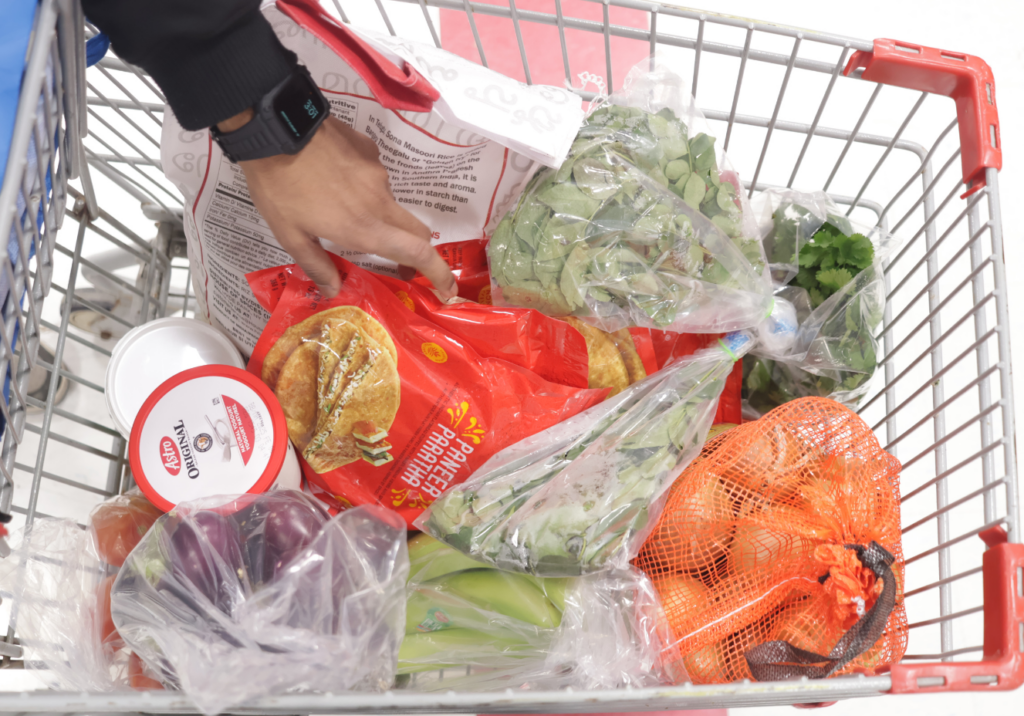
Our video intern Amartya Smaran also visited a Pay What You Can food market in the downtown core to learn how this model also helps community members shop for cheap.
Follow along their journeys from different food programs to their kitchens in this photo essay.
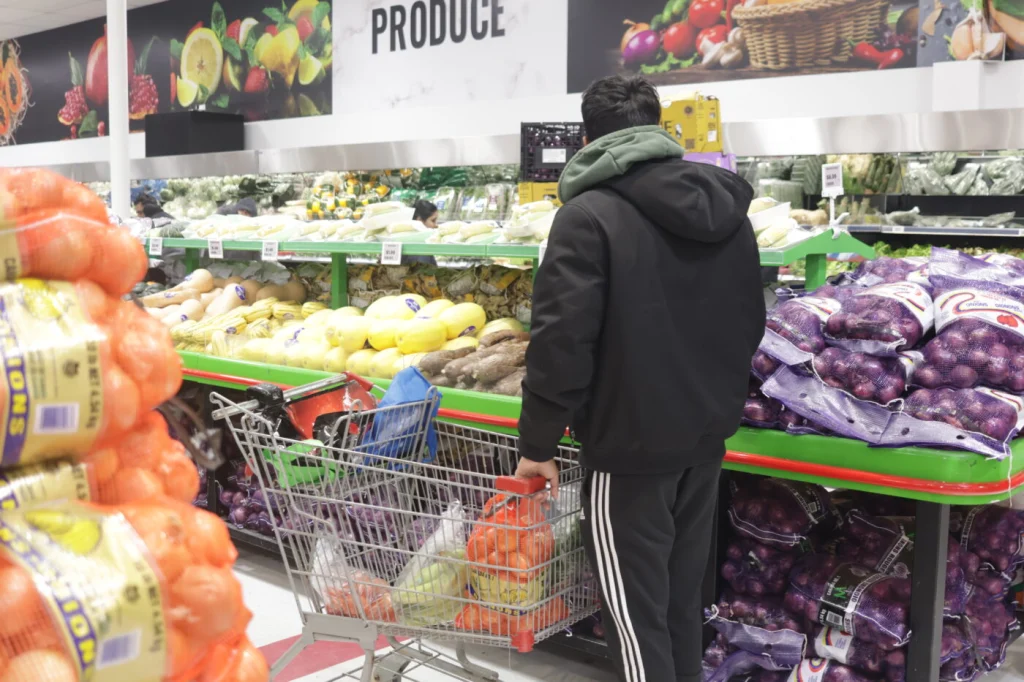
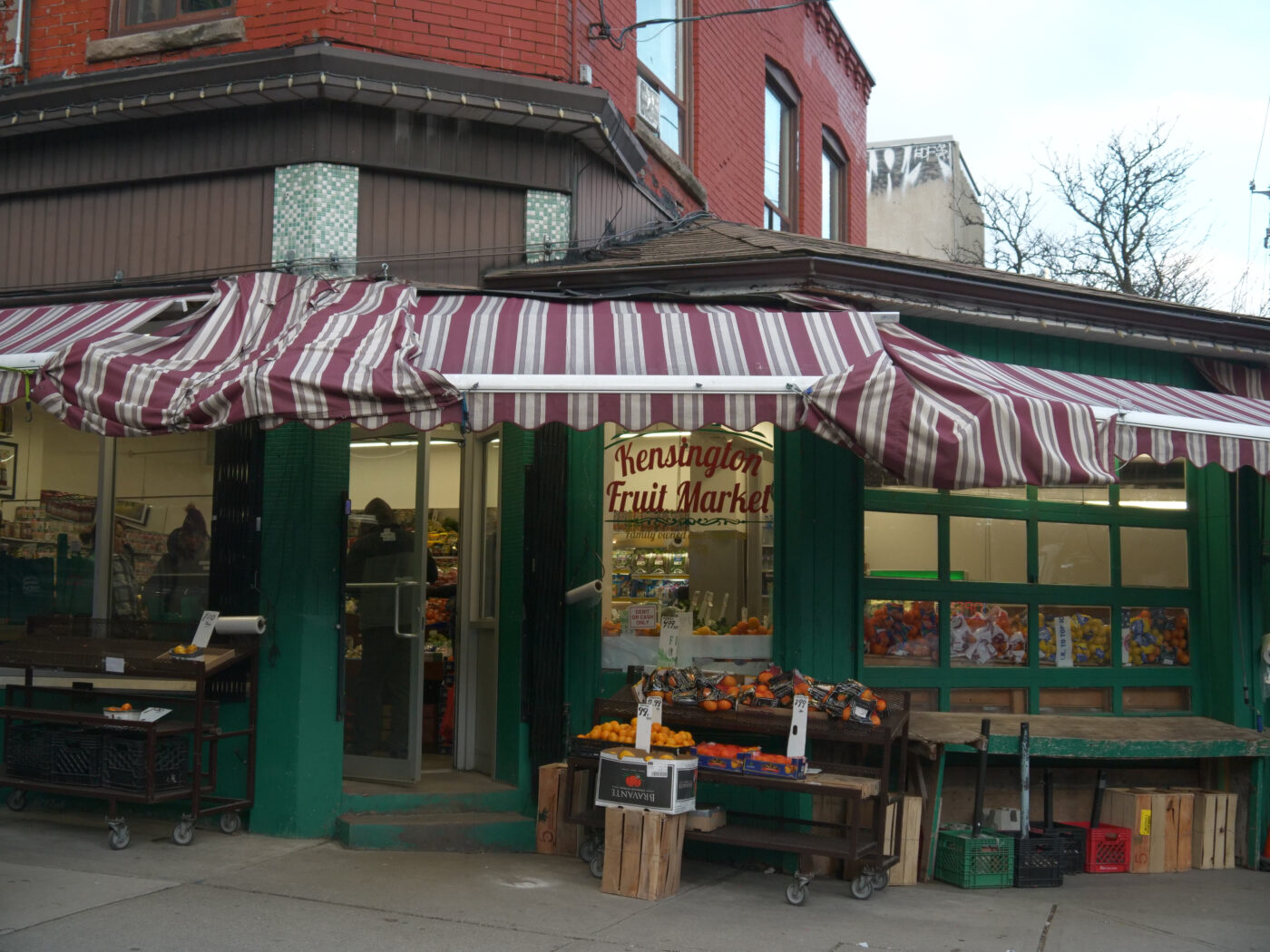
The Kensington Fruit Market is a family-owned local business that has been operating for over 40 years. 📸: Anthony Lippa-Hardy/The Green Line.
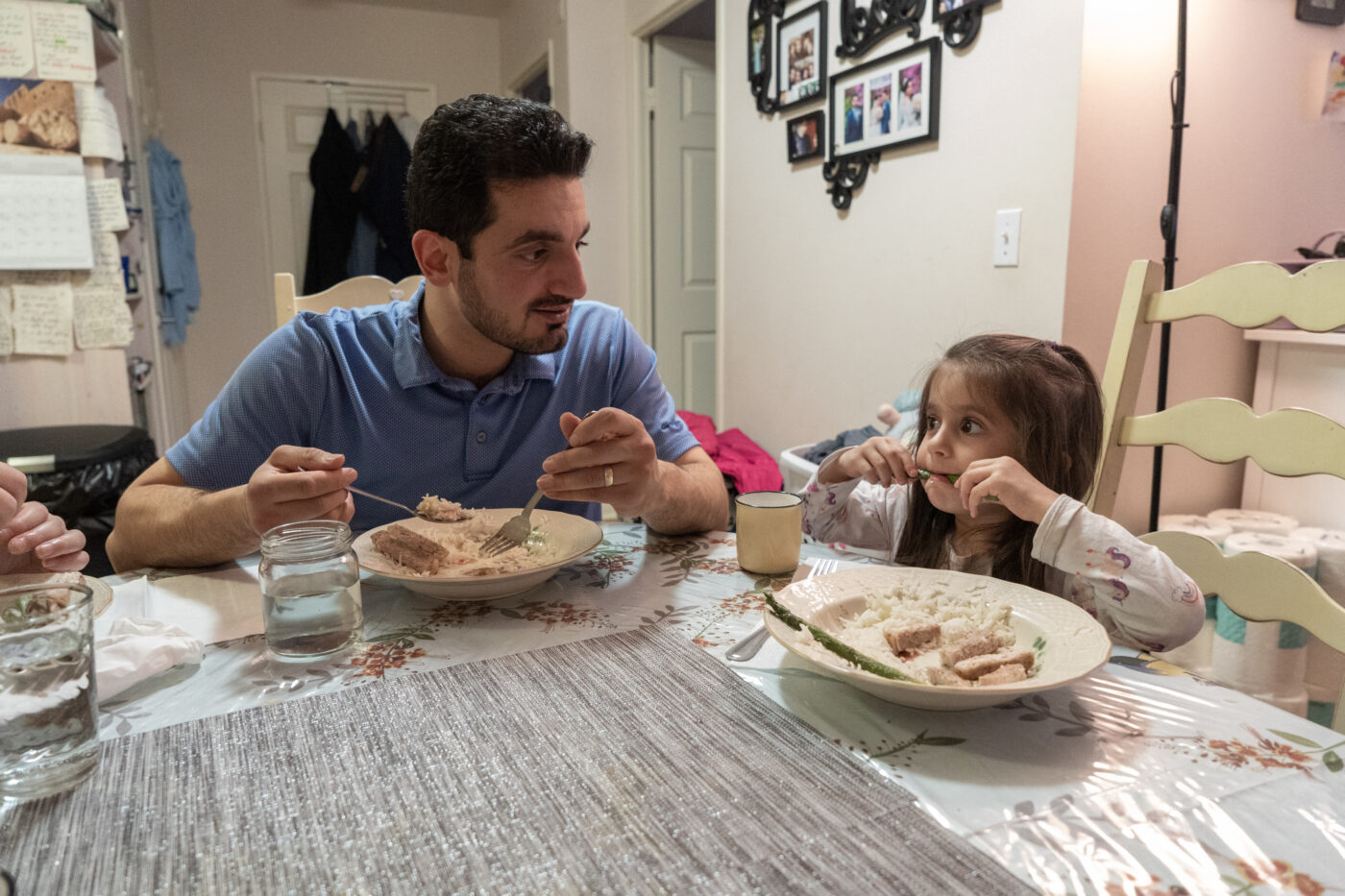
Katalinna Eftekhari, 3, makes silly faces with her asparagus stem while the family is eating dinner together. Her mother Julianna, 30, and older sister Lilianna, 5, prepared the meal using leftovers from a community dinner program they attended earlier in the week.
“The community dinners really help,” Behnam Eftekhari, 34 says. “Grocery costs have gone up a lot. Sometimes the community dinners have some extra produce or pasta and it helps us for the rest of the week.”
There’s no avoiding it — living in Toronto is harder than ever and we seem really far from affordable living.
With endless articles about the inflation of grocery prices due to corporate greed, and with campaigns such as Loblaws Is Out of Control, there’s a clear need for an alternative to paying three times the price for fewer groceries.
Enter The Green Line’s Neighbourhood Food Map, a resource for those looking for accessible spots to get a free box of fruits and veggies or to buy cat food, all vetted and shared by people like you. This map is growing and expanding by the day, providing a varied and trusted list of food offerings across the city.
You can use it to locate affordable spots to shop for food near you.
[neighbourhood_map]
Do you have a favourite community pantry or mom-and-pop-owned produce store? Let your fellow Torontonians in on the best places to shop affordably by completing our form.
Do you want to learn more about specific food banks and food programs in the city?
Check out these stories by our team.
Here’s your chance to support the only independent, hyperlocal news outlet dedicated to serving gen Zs, millennials and other underserved communities in Toronto. Donate now to support The Green Line.
A community dinner and Story Circle hosted by The Green Line.
About the Event
Tuesday
FEB. 18, 2025
6 p.m. to 9 p.m. ET
St. Stephen-in-the-fields church103 bellevue ave.
RSVP
We’re partnering with St. Stephen-In-The-Fields church to host a community dinner and Story Circle in the Kensington-Chinatown neighbourhood on Tuesday, Feb. 18 from 6 to 9 p.m. We’ll be talking about how to find affordable groceries and expand our Neighbourhood Food Map together.
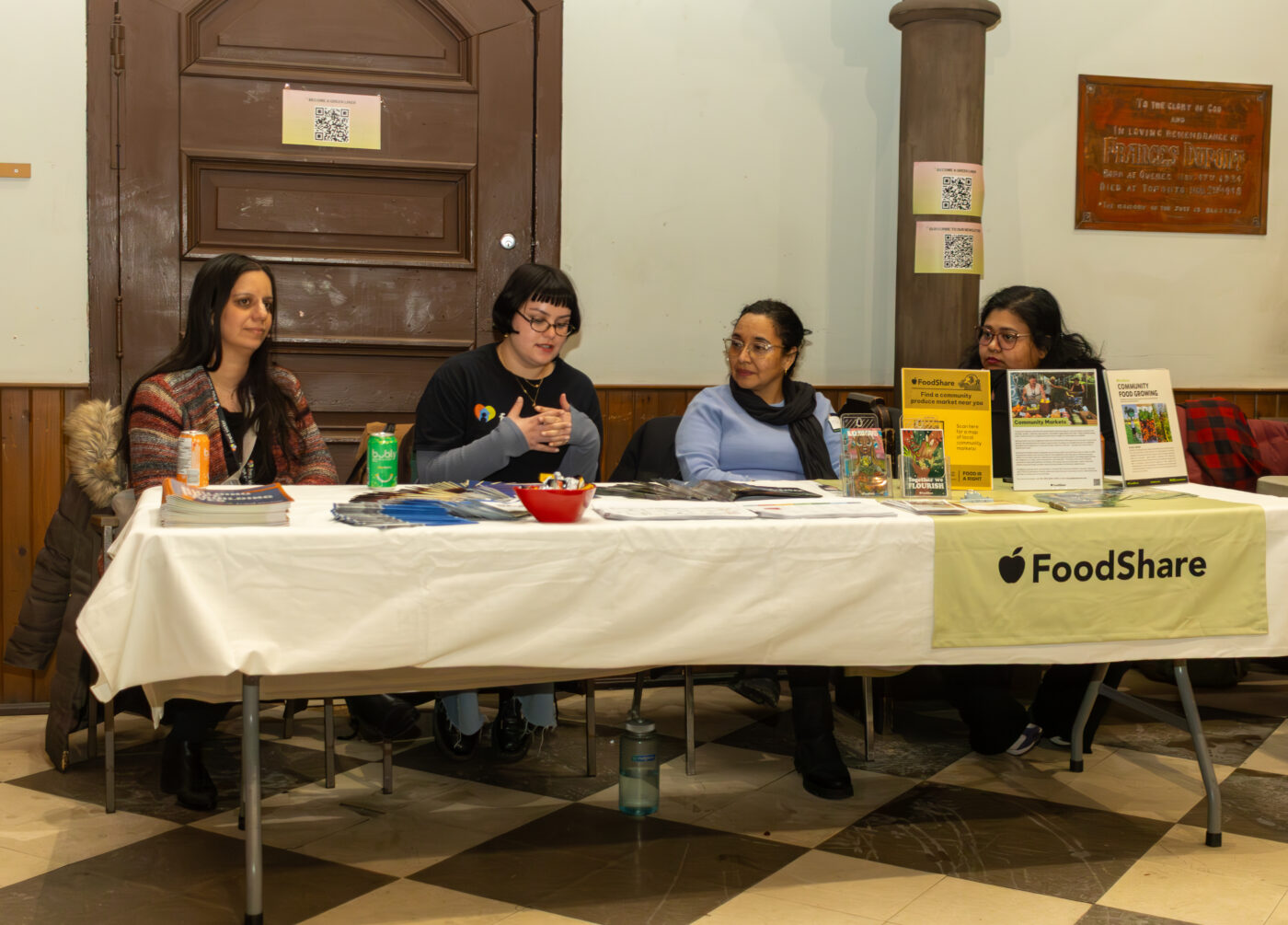
We’ll also have resource tables featuring Fred Victor, FoodShare Toronto, Building Roots and Not Far from the Tree.
Delicious catering will be served by Rasta Pasta, so you don’t want to miss out!
Our event is Pay What You Can, as we want to include as many Torontonians as possible in this conversation. For transparency, here’s a breakdown of our costs:
Venue rental: $50
Food and drinks: $300
Labour: $1,200
Venue rental: $50
Food and drinks: $300
Labour: $1,200
If you’d like to support our team in continuing to host community-focused events like this, we’d appreciate a contribution of $31 to help us fully cover operational costs. If this is above your budget, we’d appreciate a payment of $10. If that’s still a barrier to you joining us, you can contribute as much as you’re able (even $1!)
Events are an essential part of our Action Journey. We want to empower Torontonians to take action on the issues they learn about in The Green Line — so what better way to do that than by bringing people together? From community members to industry leaders, anyone in Toronto who’s invested in discussing and solving the problems explored in our features is invited to attend. All ages are welcome unless otherwise indicated. Our only guidelines? Be present. Listen. Be kind and courteous. Respect everyone’s privacy. Hate speech and bullying are absolutely not tolerated. At the end of the day, if you had fun and feel inspired after our events, then The Green Line team will have accomplished what we set out to do. Any questions?Contact Us.
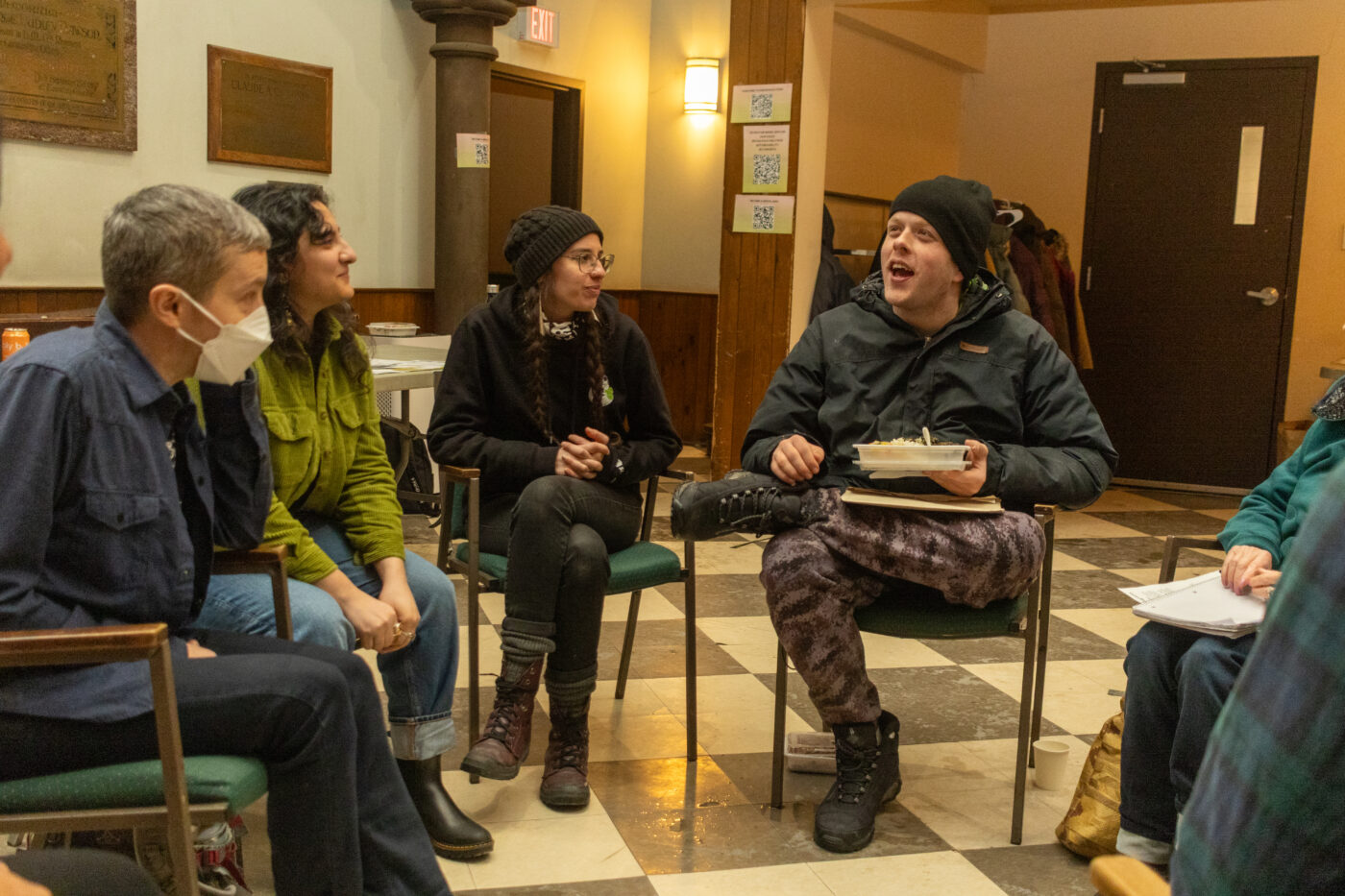
Event attendees talk about their experience shopping for food amidst the city’s cost-of-living crisis during Story Circles.📸 Amartya Smaran/The Green Line.
Event Overview
See what you missed
from our latest event.
Our community members brainstormed solutions for navigating food prices in Toronto.
Compiled by Sahaana Ranganathan.
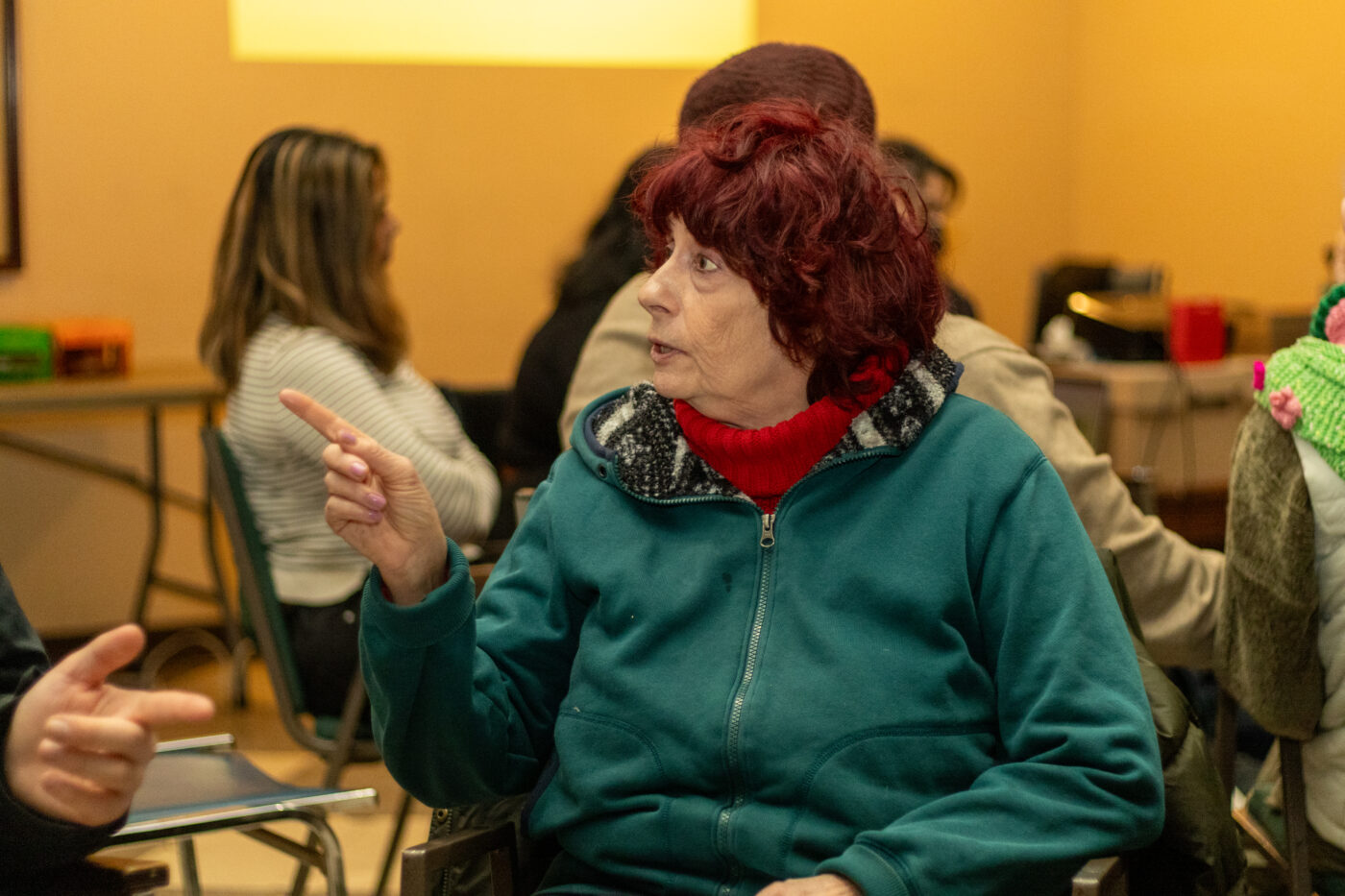
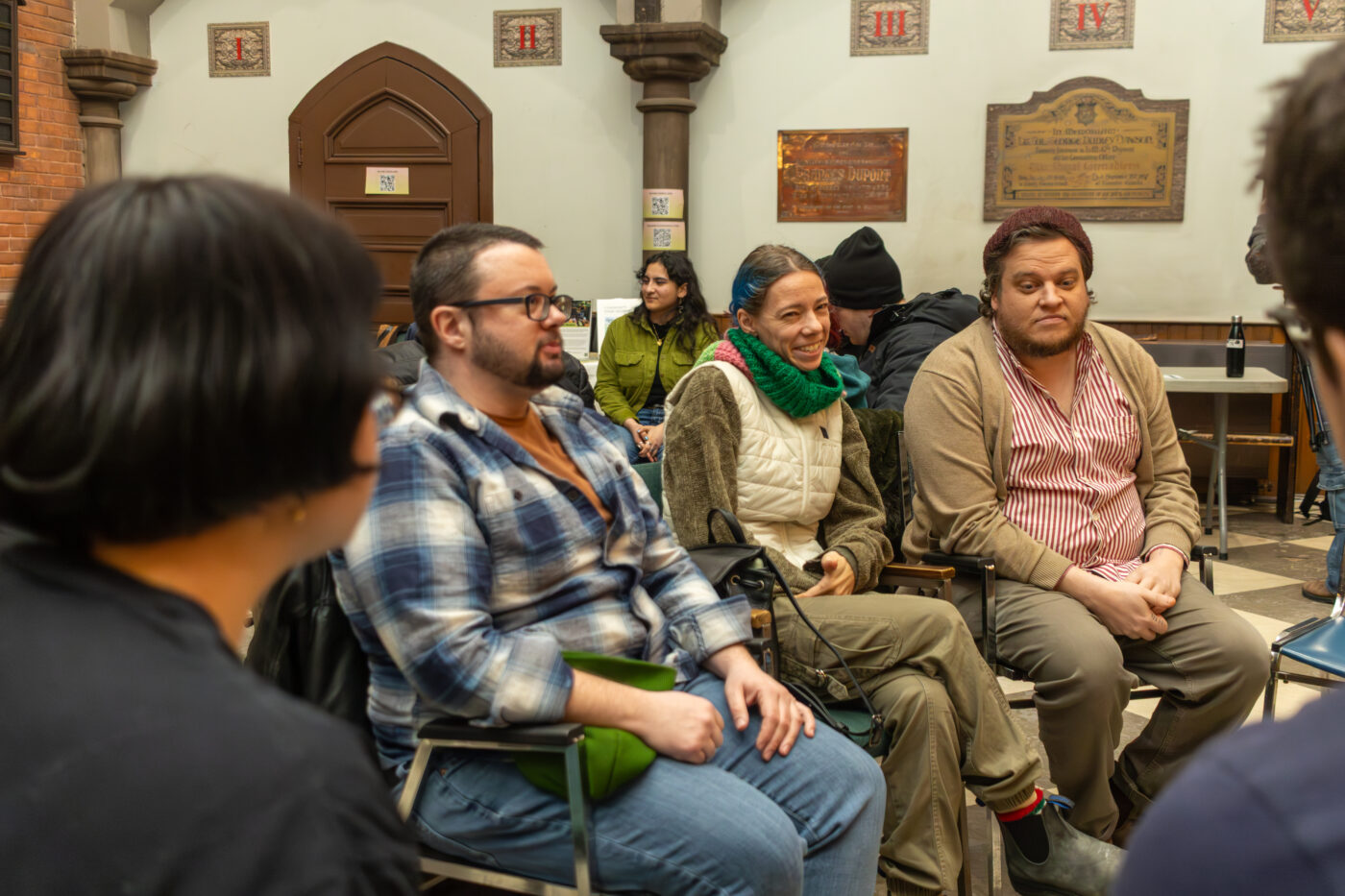
Goldie Wallensky, who’s featured in The Green Line’s photo essay about food banks, explains how she navigates meal programs to complement her pension. 📸: Amartya Smaran/The Green Line.Event attendees brainstormed solutions and resources to navigate the food affordability crisis in the city. 📸: Amartya Smaran/The Green Line.Representatives from Fred Victor, FoodShare Toronto, Not Far from the Tree and Building Roots talked about the resources each organization offers. 📸: Amartya Smaran/The Green Line.
SOLUTIONS
Join the conversation
We value your privacy
The Green Line uses cookies so the site works, to remember your reading progress, and (with your consent) to understand which stories resonate. You can accept all, reject everything non-essential, or pick what you’re comfortable with. Privacy policy
Welcome back👋
New here or returning? Same flow. Drop your email — we'll handle the rest.




Join the conversation