Our 2025 federal election coverage was made possible thanks to the Covering Canada: Election 2025 Fund, launched by the Public Policy Forum, the Rideau Hall Foundation and the Michener Awards Foundation.
With elections coming up, you might be wondering: Do federal politics really matter for what’s happening in my neighbourhood?
The short answer is yes. From housing to food prices, many Canada-wide decisions affect our day-to-day lives, and the outcome of a federal election can have huge impacts on local communities.
Take, for example, Line 2 on the TTC. Around 55 subway cars will turn 30 in 2026, which means they’re approaching the end of their utility. Right now, the federal government has pledged nearly $800 million for the new trains through the Canada Public Transit Fund. If a new federal government doesn’t support this fund, those replacements could be significantly delayed.
The City of Toronto and the Ontario government each pledged to match the federal fund to pay for the total cost of nearly $2.3 billion. But Premier Doug Ford has previously said that Ontario would only chip in if the federal government did so, too; that means two-thirds of the funding for the trains could be at stake.
The federal government also has significant influence over housing policy. Each of the parties has different plans to increase housing affordability, but their definition of affordable housing might differ.
How about finding free coverage at your local dentist? The federal government determines that, as well.
For more information on the parties’ platforms and everything you need to know about how this election impacts Toronto, dive into Part 2 of our Action Journey.
We made a handy, printable election zine where you can find a break down of voting basics and FAQs as well as our federal election guide that compares party positions on housing, jobs, food, commuting and housing.
Our 2025 federal election coverage was made possible thanks to the Covering Canada: Election 2025 Fund, launched by the Public Policy Forum, the Rideau Hall Foundation and the Michener Awards Foundation.
We’re heading to the polls on April 28.
Are you ready to vote? With everything happening so fast, it might be hard to keep up.
That’s why, this month, we’re helping you navigate key election dates and party platforms in a non-partisan and easy-to-digest guide.
First things first: You can register to vote — or double check that all your information is correct and up-to-date — via the Online Voter Registration Service.
There are many ways and dates to vote, so check Elections.ca to decide what works best for you.
If you want to vote by mail, you need to apply by April 22.
Now, how do you decide who to vote for? Well, that’s up to you.
To help you make an informed decision, we collected information on where the Liberal, Conservative, New Democratic and Green parties of Canada stand when it comes to The Green Line‘s five pillars of livability: Housing, jobs, food, commuting and health.
Usually, you’d go to the election platforms for policy promises by each party. By the time of publication, not all parties had released election platforms. So, we dug online and reached out to the four represented national parties to put together the bullet points you see in these guides. The Liberal and Conservative parties didn’t respond to our requests for comment. The Green Party sent us their response by email for commuting and food. The New Democratic Party referred us to their press releases. This guide omits Bloc Québécois as they don’t run candidates in our province.
In most cases, we referred to policies posted on the parties’ websites. If we didn’t find the answers, we looked at their press releases, scrums, media comments and social media posts.
We also referred to party policy books when more up-to-date policy information wasn’t available. Party policy books are generally determined by party members voting on resolutions at party conventions. They may not reflect the positions of party leaders, especially in the case of a new leader being elected after a party’s most recent convention, such as in the case of Liberal Party leader Mark Carney.
Here’s your chance to support the only independent, hyperlocal news outlet dedicated to serving gen Zs, millennials and other underserved communities in Toronto. Donate now to support The Green Line.
Democracy u0026 Anxiety: Making Sense Through Zines
A hands-on zine making workshop hosted by The Green Line and Toronto Public Library.
About the Event
Friday
April 4, 2025
5:30 p.m. to 6:45 p.m. ET
TORONTO REFERENCE LIBRARY 789 Yonge St.
RSVP
Feeling overwhelmed by the upcoming federal election? We want to help! The Green Line is partnering with is partnering with the Toronto Public Library to host a hands-on zine workshop. We’ll explore democratic engagement through the creative art of zine-making. Learn about party platforms and key election issues in a non-partisan environment while crafting a personal zine that captures your thoughts, concerns, and hopes for Canada’s democratic future. No previous experience necessary, and all materials provided. RSVP before spots fill up.
Events are an essential part of our Action Journey. We want to empower Torontonians to take action on the issues they learn about in The Green Line — so what better way to do that than by bringing people together? From community members to industry leaders, anyone in Toronto who’s invested in discussing and solving the problems explored in our features is invited to attend. All ages are welcome unless otherwise indicated. Our only guidelines? Be present. Listen. Be kind and courteous. Respect everyone’s privacy. Hate speech and bullying are absolutely not tolerated. At the end of the day, if you had fun and feel inspired after our events, then The Green Line team will have accomplished what we set out to do. Any questions?Contact Us.
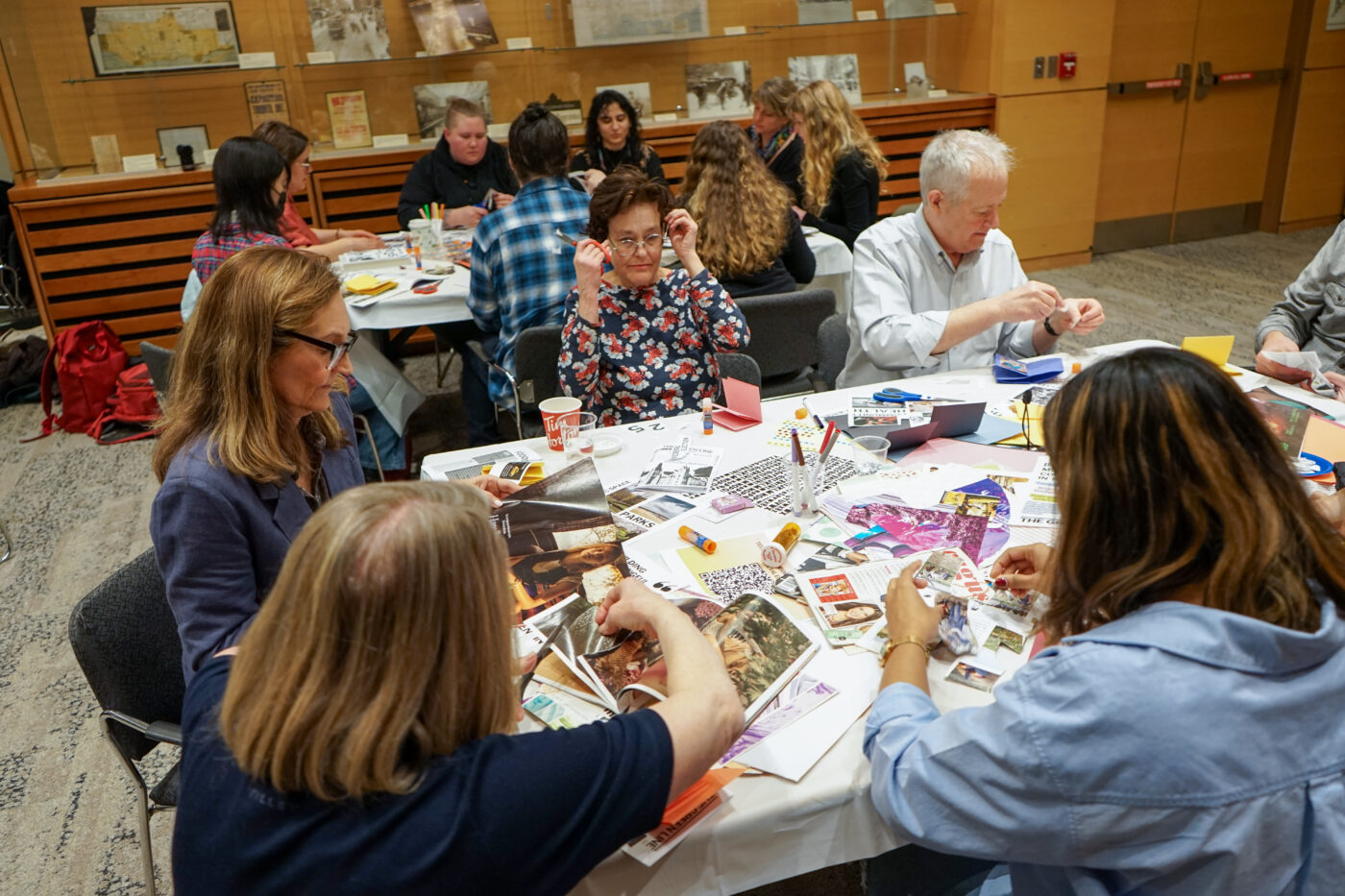
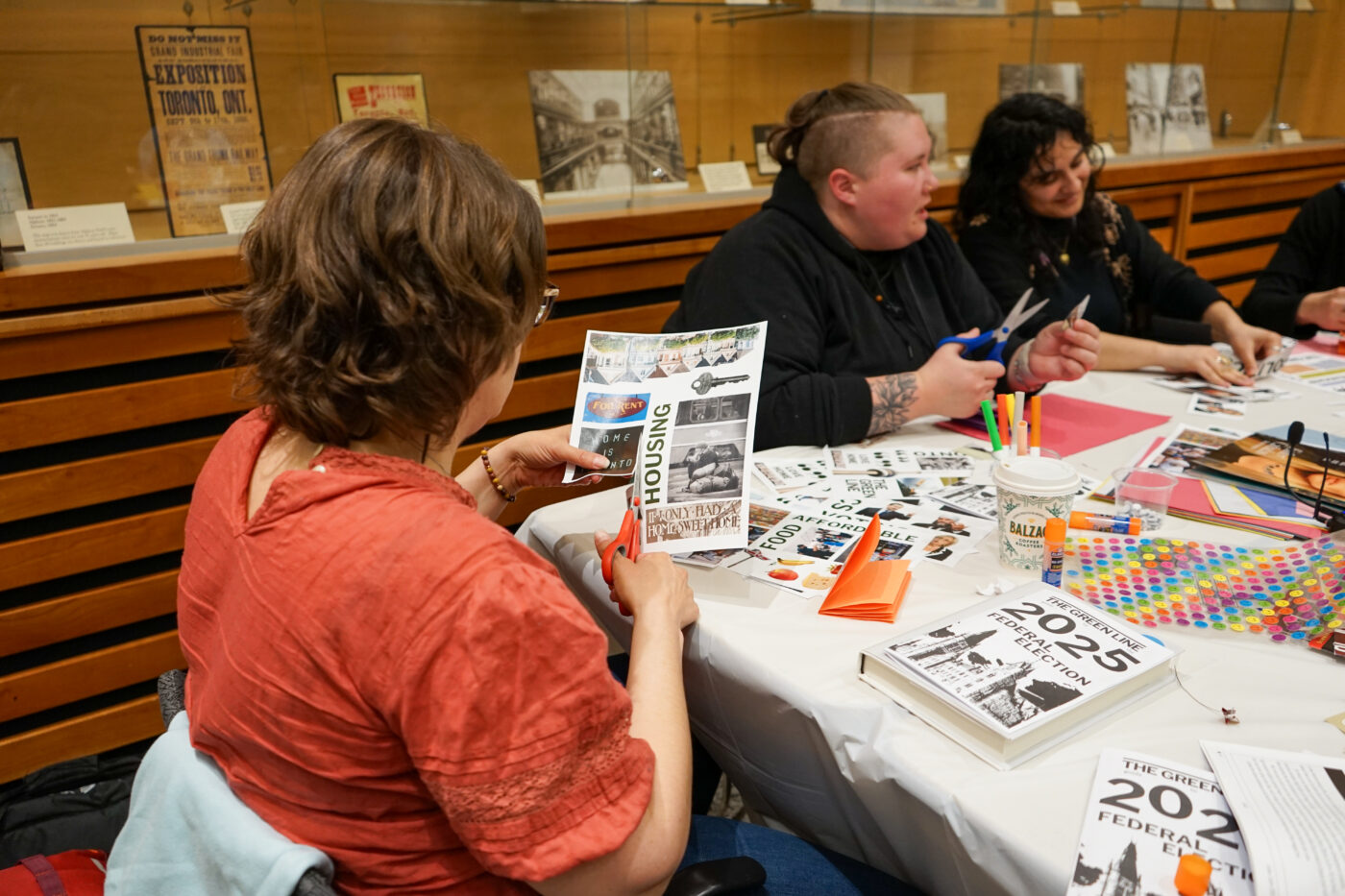
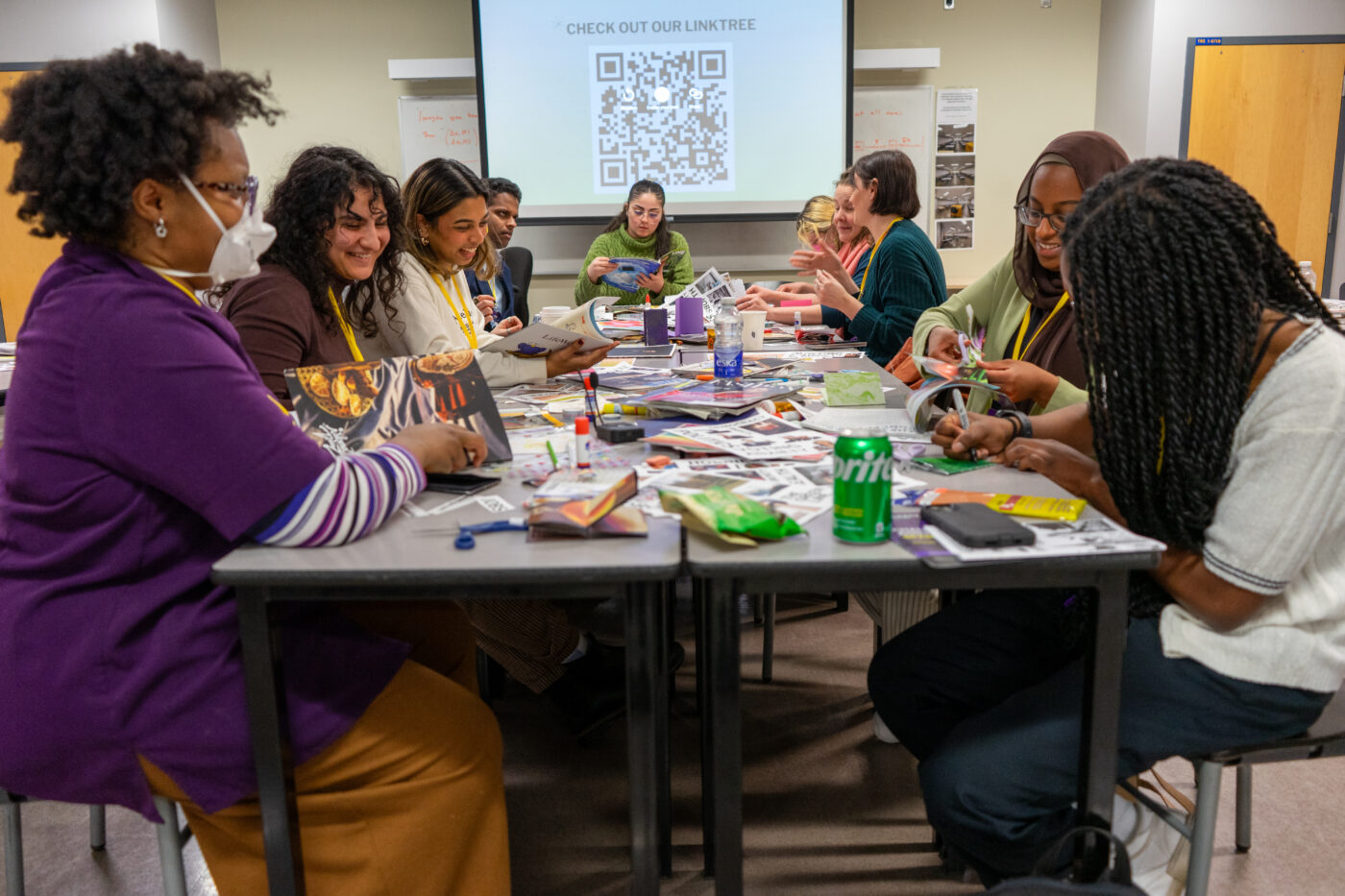
Attendees craft their own zines as they chat about the upcoming federal election during our April Action Journey event in collaboration with the Toronto Public Library on April 4, 2025.📸 Amartya Smaran/The Green Line.
Event Overview
See what you missed
from our latest event.
Our community members brainstormed solutions for increasing youth voter turnout in Toronto.
Compiled by Sahaana Ranganathan.
Engagement reporter Adele Lukusa helps attendees make their own zines about their election and democracy anxieties during our April Action Journey event in collaboration with the Toronto Public Library on April 4, 2025. 📸: Amartya Smaran/The Green Line.Event attendees use magazines, collage kits and stickers to make their own zine about election issues that matter most to them during our April Action Journey event in collaboration with the Toronto Public Library on April 4, 2025. 📸: Amartya Smaran/The Green Line.Event attendees chat about the upcoming federal election, democracy and axiety as they craft their own zines during our workshop at the DemocracyXChange conference on April 5, 2025. 📸: Amartya Smaran/The Green Line.
SOLUTIONS
REFRAMING POLITICAL ENGAGEMENT BEYOND ELECTIONS
While voting is a great way to get started, engaging in politics shouldn’t just be centred on elections. A common suggestion that came up during our Story Circles was volunteering with grassroots organizations to find like-minded people, which can help fight feelings of helplessness during stressful political times.
“I think I suffer from…feeling really powerless because what can you do? But then especially, when you’re volunteering in certain spaces and you feel like you’re not alone,” one participant said.
Being in community with others can be a more accessible way to get involved politically because it gives people the opportunity to share their concerns and seek support. For example, some participants talked about how even creative spaces, like The Green Line’s zine workshops, create an opportunity to engage in democracy in a meaningful way outside of an election cycle.
MINDFUL INFO CONSUMPTION
In an age of information overload, many event attendees discussed being overwhelmed with the amount of knowledge and data available to them. They spoke about how this can be used as a tactic to disengage people from democracy, so distilling information is essential to making the sheer volume less overwhelming.
Be sure to question whether something is verified, fact-checked and well-sourced. A few attendees suggested cross-checking multiple news sources, fact-checking party platforms and promises, confirming ownership of media outlets, and critically dissecting information with informed family, friends and even protesters at rallies.
Attendees also talked about diversifying their media diet to get a range of perspectives on an issue, including international, national and local takes; this helps contextualize current events while also countering potential bias. For example, one participant explained that as an experiment, they read news about the U.S from Europe because they wanted to get a different perspective.
“I read The Narwhal, The Local, 338Canada, CBC, and I follow a range of political information on the election on social media,” attendee Anna H. said.
FOCUS ON COMMUNITY ACTION
Another major topic of conversation that came up among event attendees was that small actions on a local level can contribute to an overall sense of collective strength.
For example, many attendees emphasized that protesting and attending rallies can reignite hope that people want to see change, and are working towards it. “You didn’t get the right to abortion by voting — you got it by demonstrating and occupying and fighting,” one person said.
ACTIONS
Do something about the problems that
impact you and your communities.
Learn about
e-petitions
E-petitions are a helpful way to draw attention to an issue or cause, and request different levels of government to take or refrain from action. Once a petition gains 500 signatures, the House of Commons must table a response in 45 calendar days.
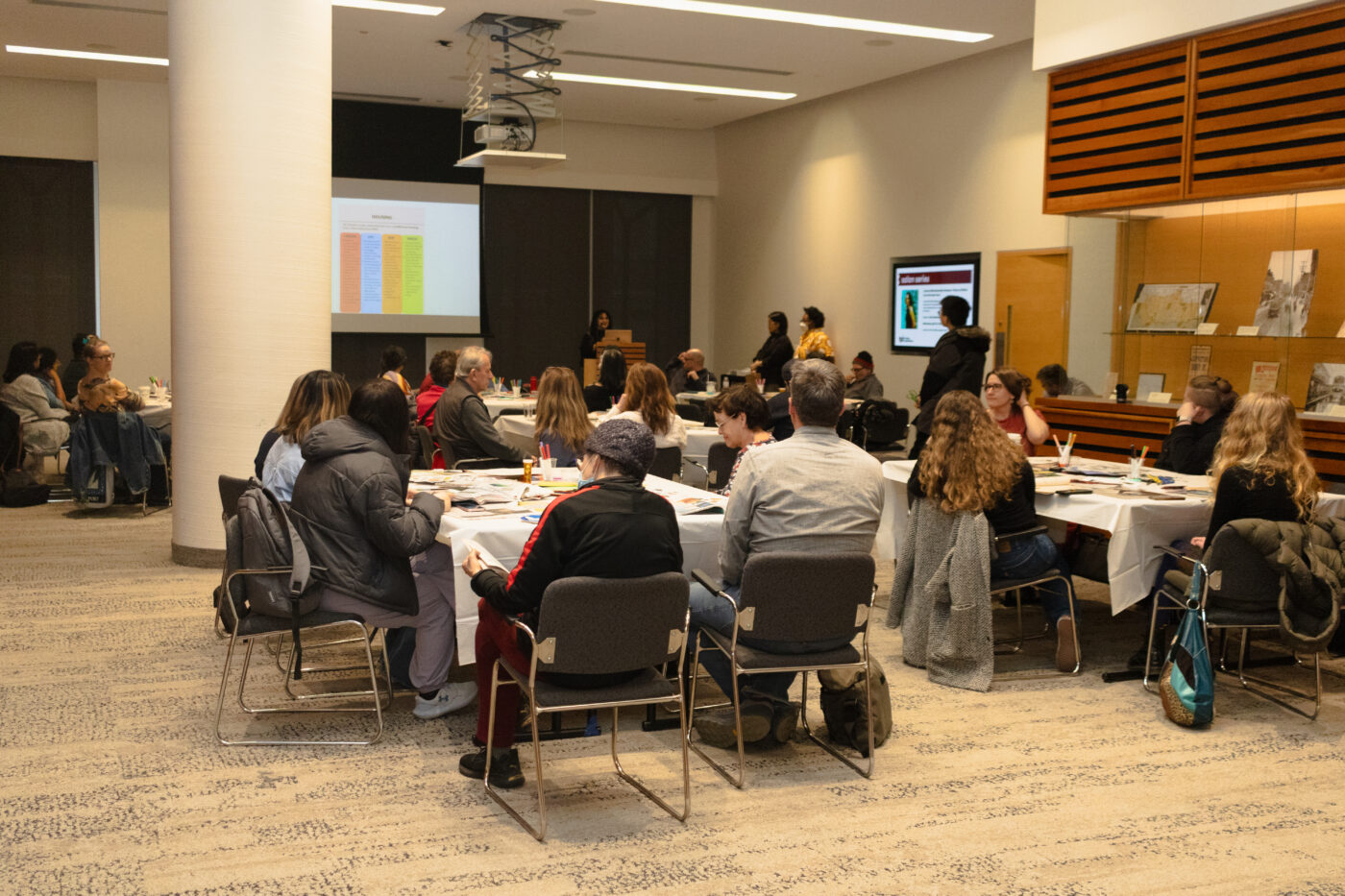
The Green Line's team presented our federal election guide highlighting party positions on housing, food, jobs, commuting and health before the zine-making session. 📸: Amartya Smaran/The Green Line. Become a Green Liner to get exclusive access to our events and meet a community of people who want to rewrite Toronto’s identity together.
These blocks were present in the previous version of this post but were dropped during content migration. Move each to its correct place in the article and delete this note when done.
The Green Line uses cookies so the site works, to remember your reading progress, and (with your consent) to understand which stories resonate. You can accept all, reject everything non-essential, or pick what you’re comfortable with. Privacy policy
Welcome back👋
New here or returning? Same flow. Drop your email — we'll handle the rest.



Join the conversation