

TL;DR
- Residents at Courtlands I transformed their condo from an isolating “vertical silo” into a connected community by building trust, improving communication and creating social spaces.
- Condo communities can strengthen social engagement through simple, low-effort activities, such as using the party room to host social nights, in-person meetings and more.
- Intergeneration connection is key to building a longstanding, successful community.

📸: Aia Jaber/The Green Line.
Living in a condo can feel isolating.
Residents share walls, elevators and hallways, but rarely know each other. According to multiple research studies and journalism articles, living in high-rises has long been associated with poor mental health and social isolation.
If you own a condo, you could be stuck living in “vertical silos” — as Courtlands I board member Stephanie Jonsson calls it. Residents spend decades next to each other without connecting.
At Courtlands, located at 1201 Steeles Ave. W., a younger generation of condo owners overthrew their previous board that denied transparency in decision-making.
After an investigation of the board and support from residents, Courtlands has become an example of how condos can function as spaces of “community care.”

📸: Aia Jaber/The Green Line.
“We had a rogue board and a property management company that was not following their duties and serving the board over the interest of owners,” says Joseph Tanel, president of the condo board. “We had to make a lot of changes to this building. Thankfully, we had a community that wanted that change and has only grown since.”
Rather than remaining an isolated “retirement-style” condo — which the building was initially advertised as — residents say they worked on transforming it into something more connected over the years.
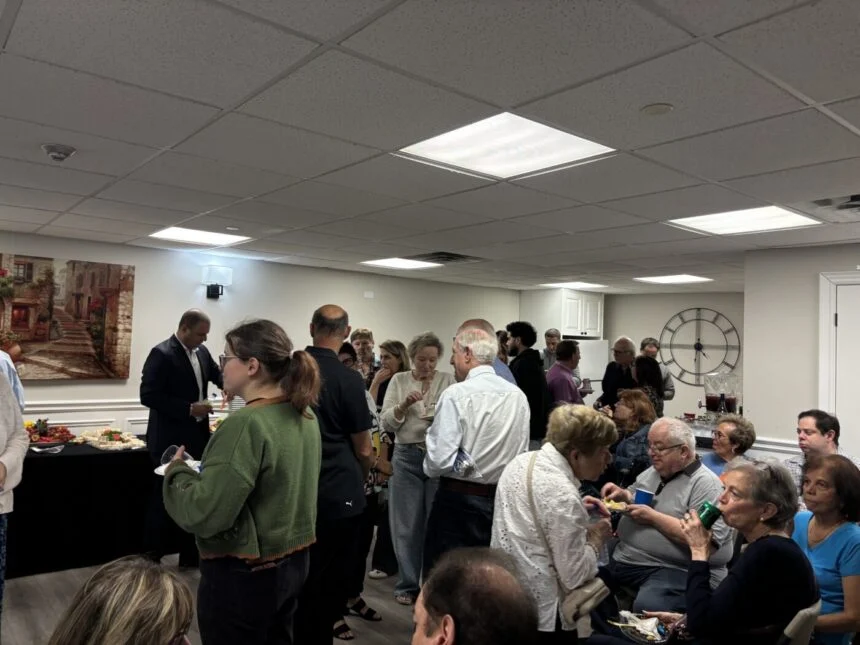
Courtlands opened its doors in 1976, with units selling for just $56,900 at the time. When it was first opened, the condo bylaws didn’t allow children or pets. Today, that same building is filled with young children pressing elevator buttons, neighbours sharing meals and residents gathering for game nights.
Long-term residents have stayed for decades, young families moved in and board members intentionally rebuilt the community after frustrations with the previous board.
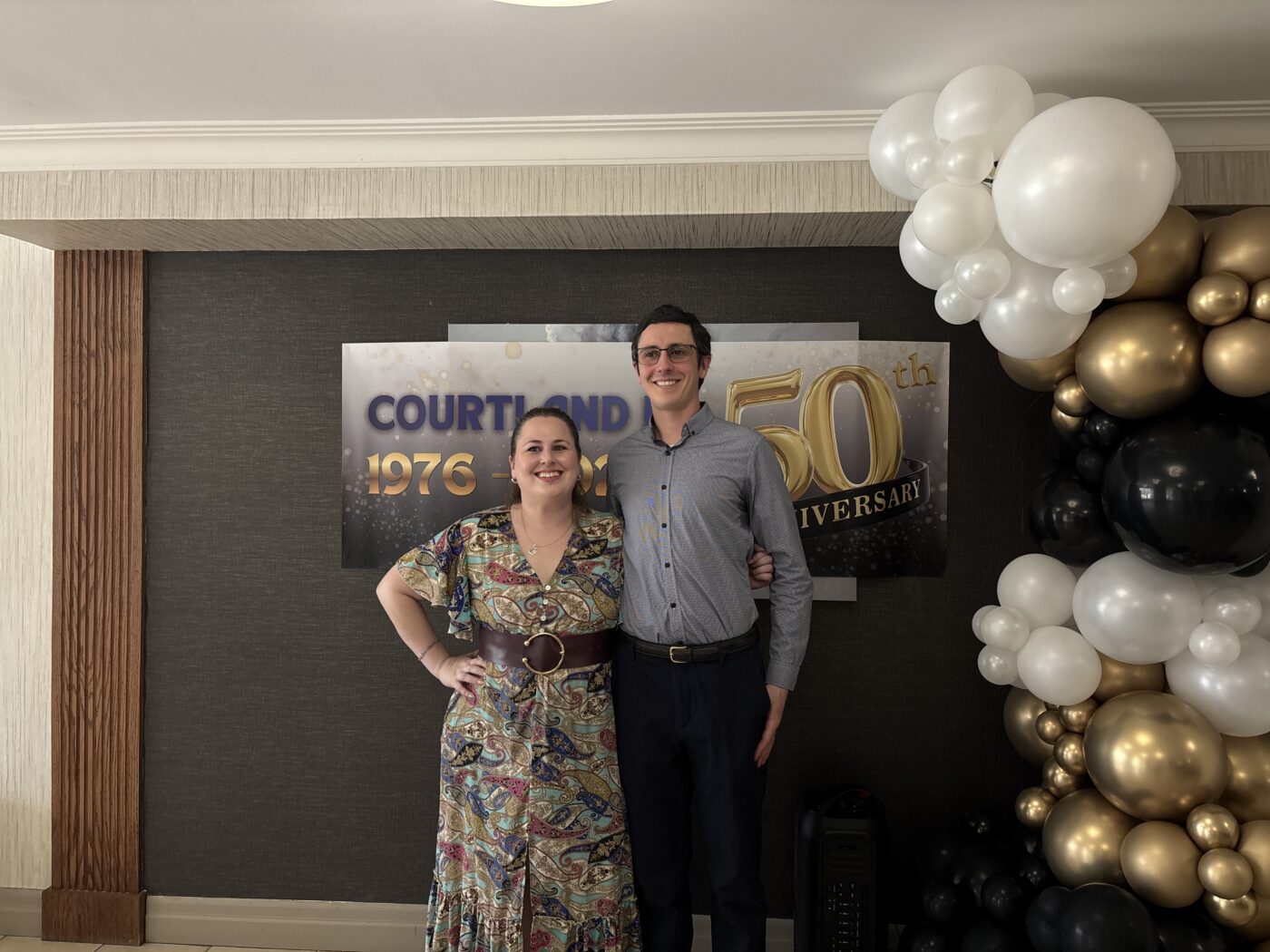
The Green Line stopped by Courtlands’ 50th anniversary celebration on Sunday, May 3 to learn from Tanel and Jonsson how other condo owners and renters can replicate the model to engage intergenerational communities.
How are condo and apartment buildings different?
Some people use the terms condo and apartment building interchangeably, but they’re actually two different kinds of dwellings and the difference comes down to ownership.
Individual units in condos are purchased from the builder or a previous owner. You can own the unit or rent it from the unit owner. However, in an apartment building, individual units are only available for rent. The whole building is owned by a corporation that leases the units to tenants and hires a property management company to collect rent.
How to build community in your own condo
1. Gain the support of the community through outreach
Gaining votes and support to make up a condo board requires listening and learning about the people living in your building — and that means finding an opportunity to connect.
Tanel says he and a group of residents began by being social where they could. This included sitting in the lobby or outside and always making small talk when they saw neighbours in communal spaces.
As support grew, community members started a WhatsApp group chat.
In January 2025, he says that they made it known that there would be social nights every other Thursday in the party room.
Tanel says none of this was board-sanctioned at the time. But eventually his group won the June 2025 election and changed the community dynamic.
He also says you don’t have to be a condo owner in order to join the board. And whether you have a cooperative current board — or not — you need to start with outreach.
2. Create spaces for people to connect
Residents at Courtlands say community-building starts with something simple — by creating spaces for interaction.
“They don’t cost a lot,” says Tanel. “It’s literally opening up the party room twice a month [. . .] it doesn’t have to be a burden for some condos. It can really be a no-cost, easy solution [to] foster a greater sense of community.”
The condo board also created a social committee as a way of engaging residents that aren’t board members.
“Even the 50th anniversary came from this network of human who acknowledged that this milestone was coming up and wanted to do something about it,” says Jonsson. “It’s not just having the corporation behind you but also the management and the residents are part of that system.”

📸: Aia Jaber/The Green Line.
3. Encourage intergenerational mingling
When Courtland first opened, children weren’t allowed. That rule has since changed and the building now homes people of different ages.
“There’s a two-year-old who will push the button for you,” says Judy Abraham, a longtime, senior resident. “It’s a calming thing.”
Abraham says she’s in a little group of neighbours that shares avocados and onions because “sometimes 10 pounds of onions is cheaper than three.”
4. Create communication pathways between the board and residents
Residents say rebuilding trust after the previous board was an important step in building their community.
“We had a huge lack of communication from our board and management prior to the changeover,” says Tanel. “That really was personally felt by a lot of owners being disconnected where they live in a place they call home.”
Jonsson says that board members should speak to residents about what they’d like to see in their building.
“It’s as simple as starting a calendar to keep people informed about daily operations, activities that are coming up,” she says.
Jonsson mentions that the community members love the communication. She says alerts can be as simple as when the pool is opening or when flowers will be planted.
📸: Aia Jaber/The Green Line.
5. Hold in-person meetings
“A lot of condos switch to only online annual general meetings and that has also eroded community connection,” says Jonsson. “People should have their AGMs in-person, talk to their neighbours and keep them informed about what’s going on in their community.”
She says the community has been overwhelmingly positive about it.
“Even when we see folks visiting the building, they’re quite impressed that they actually see community here,” she says. “They don’t just see bulletin boards that provide operational notices. It actually feels like there’s a community bulletin board. There’s things posted about the community, there’s a newsletter, so even when you just walk into the lobby, you can get to know what’s going on here.”
6. Set metrics to measure success and engagement
Jonsson says that they measure success by engagement. They look at how active residents are engaged in the day-to-day activities of the building, info sessions and game nights. She says that not all residents want to be social but they’re still attending their info sessions and attendance for that has increased.
“So the main cusp of what we’re trying to support people with understanding here is that when you live in a condo community, you are responsible just like everyone else for caring for that community,” she adds.
Kathy Coorsh, a resident who moved to the building in 2013, says the maintenance problems that existed in the building were repaired thanks to the younger board members.
“They’re very determined to make something of this building,” she says. “First of all, [the new board] fought like tooth and nail to get the board in place. And it took a couple of years before we got it done, but since then everything’s looking great.”
Still got some questions? The Condominium Authority of Ontario outlines what you need to know prior to purchasing a condo, as well as what you need to know about boards and governance.
Fact-Check Yourself
Sources and
further reading
Don’t take our word for it — check our sources for yourself.

Join the conversation