Why Torontonians need a crash course on the housing market
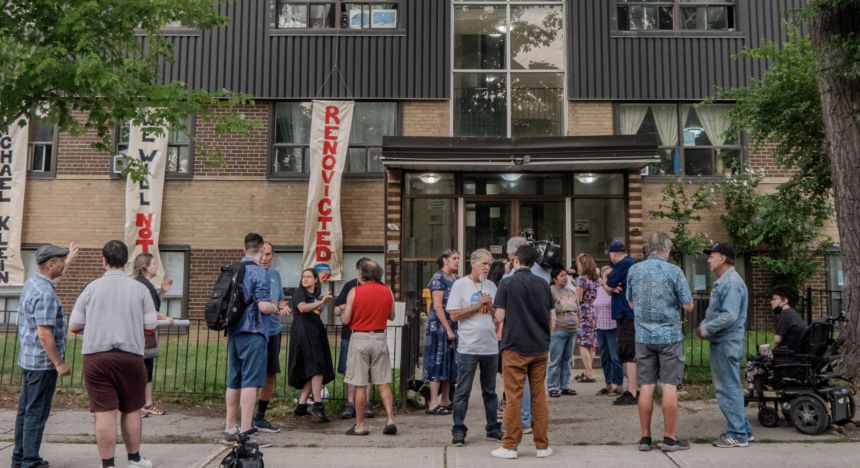
Residents at 80 Guestville Ave. and members of the York South-Weston Tenant Union (now the Toronto Tenant Union) celebrate the City of Toronto’s renoviction bylaw on July 31, 2025.📸 Anthony Lippa-Hardy/The Green Line. u0026nbsp;
Ever wish somebody would just hand you a flyer of everything you need to know about Toronto’s housing market?
Well, we’re here to do that.
Our city is home to close to 3.3 million people as of 2024. A third of all households — both renters and homeowners — are struggling with housing affordability challenges, or spending over 30 per cent of their income on housing costs, according to the Toronto Housing Data Book. Renters make up almost half of the population and they’re more likely to face these challenges, especially racialized Torontonians.
In HousingTO’s 2024-2025 Housing Progress Report, Doug Rollins, executive director of the Housing Secretariat wrote, “Toronto’s middle-income workforce is also being priced out of both rental and ownership housing options.”
While solving the housing crisis will take long-term dedicated policy and affordable housing development, the city and the province have some resources for both renters and homeowners that many of us don’t know enough about to fully access.
For example, did you know that Toronto has a bylaw enforcement program that ensures owners and operators of apartment buildings in Toronto meet building maintenance standards? It’s called RentSafeTO and your landlord is required to tell you about it when you sign a lease.
But, how often landlords actually abide by it…is another question.
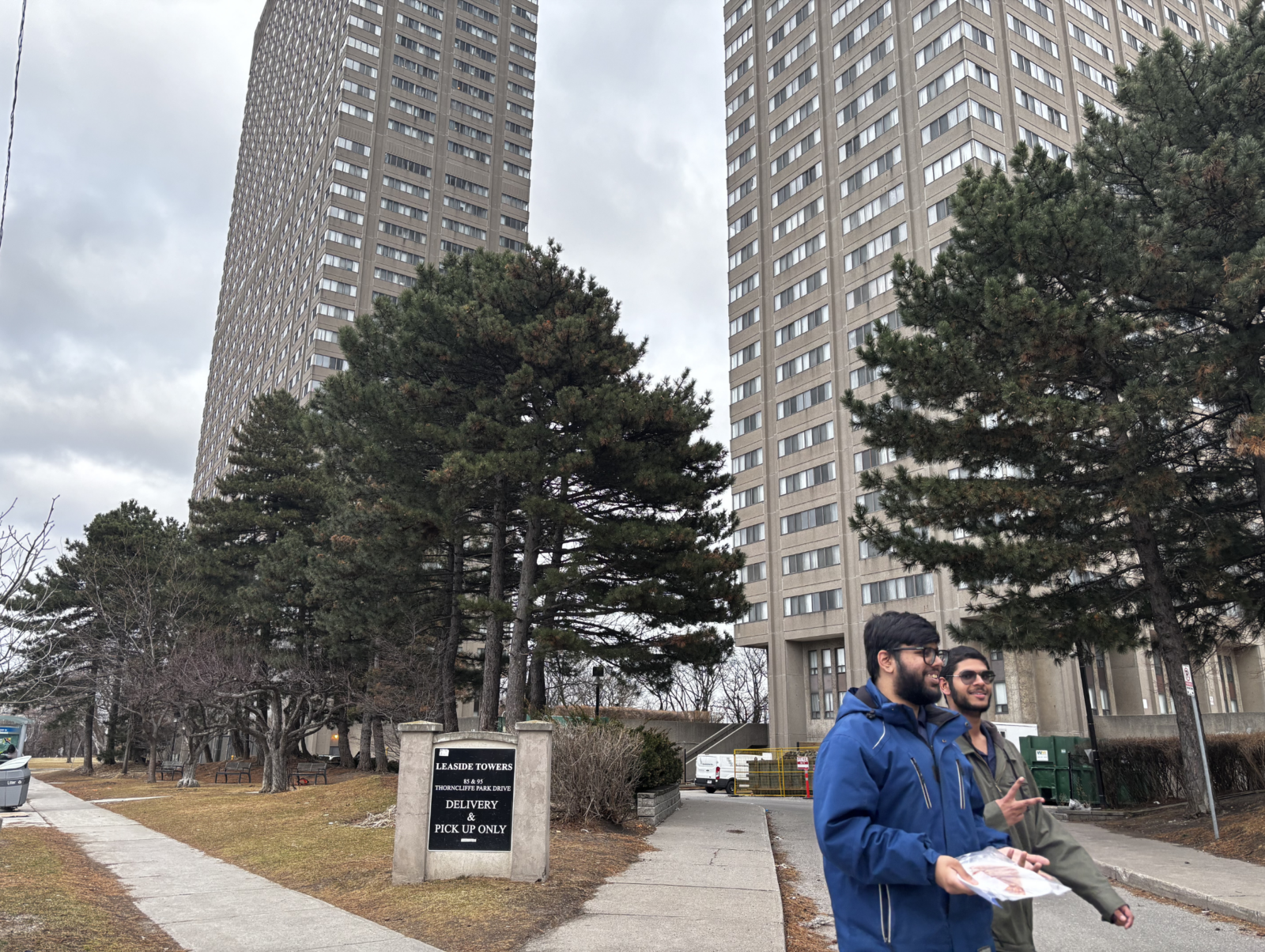
On April 13, 2026, Jason Ash and Liz Morellato, co-chairs of the Leaside Towers Tenants Association (LTTA) in Thorncliffe Park, wrote a letter to the city’s Housing and Planning Committee to ask for a change in RentSafeTO that would improve how tenants access housing information. In their buildings, the program information is up on a bulletin board, but they say that’s not enough.
“As a long-established tenants association, we must report most Leaside Towers tenants do not know the tenant information board exists, how it can help them, or even what their rights are. Our experience cannot be unique,” the LTTA wrote.
In response, on April 23, city council voted to explore the feasibility of requiring building owners to provide notice directly to tenants about information related to RentSafeTO and their tenancy. The LTTA sees this as a “good first step.” However, there’s a long process before actual changes are made, starting with city staff reporting back on the proposal.
Until then, the LTTA is right — the experience of Leaside Towers tenants isn’t unique. Many Torontonians, in particular low-income, immigrant and vulnerable tenants, aren’t aware of the full extent of their housing rights and don’t know where to go if they face housing issues.
We asked renters in Thorncliffe Park and Flemingdon Park if they knew of RentSafeTO. Most said no.
Sonia Arora, a Thorncliffe Park resident, says she’s run into issues with her landlord in the past. Operators at 211 connected her with community legal resources that helped navigate the dispute. She hopes to spread awareness to Torontonians like her, so they can access the help they need. 📸: Suyash Ghase/The Green Line.
When The Green Line surveyed more than 250 people at our engagement outpost in Alexandra Park in summer 2024, housing issues came up in every other conversation. More than half the people we spoke to brought up housing questions when asked about their challenges and information needs in the city. During multiple Action Journey events around evictions and housing near transit last year, community members, especially newcomers to the city, shared that they didn’t know their housing rights. Infographics and tenants’ rights education were the top two requests we got from attendees.
So, we’re taking it back to the basics and breaking down everything you need to know about Toronto’s housing market — including terminology you might come across, existing municipal and provincial resources for both renters and owners, organizations that can help and last but not least, relevant TGL guides.
Today’s stories lead to tomorrow’s solutions, so sign up for our newsletter to take action on the issues you learn about in The Green Line.
Toronto’s housing vocab can be confusing. Somewhere between hearing words like RGI, AGI, co-ops, demovictions and purpose-built rentals…many of us get lost, and have no idea what any of it actually means or how it might apply to us.
So, we’re breaking down all the terms for residential structures, rental setups and more.
Everything you need to know as a homeowner in Toronto
Semi-detached houses in the Woodbine Corridor in Toronto. 📸: Andrew Krotov/Unsplash.
Homeownership is a pipe dream for most Torontonians.
Less than one in six people in our city can afford to buy a home here. For the few who do, the hurdles don’t step once you get your keys. So, we created this tool to help homeowners navigate their options, from energy and garden programs to cohousing and co-ownership opportunities.
We compiled all the helpful resources you can access from the City of Toronto, Province of Ontario, non-governmental organizations and The Green Line’s own handy guides.
How to deal with maintenance issues in your Toronto rental
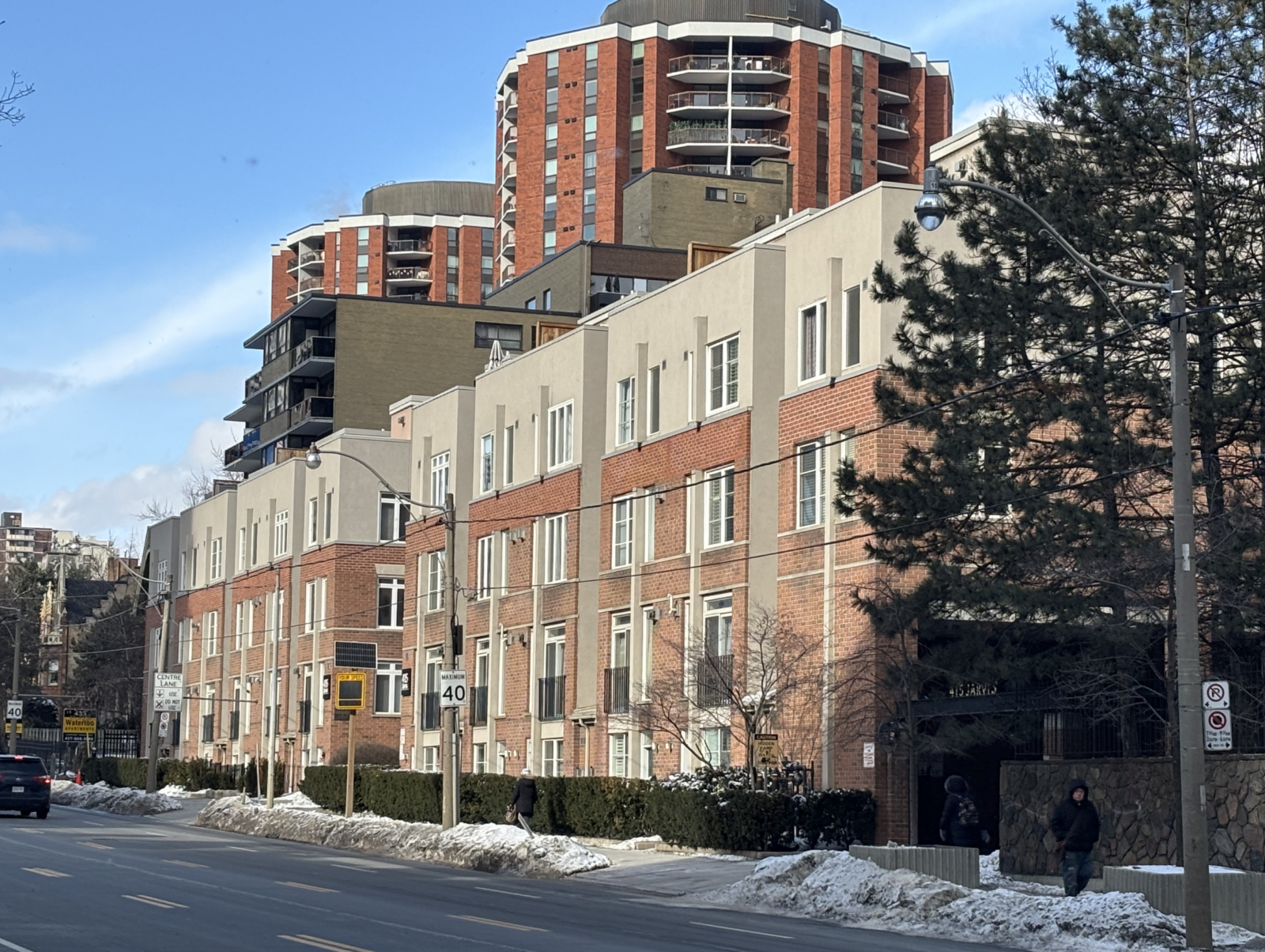
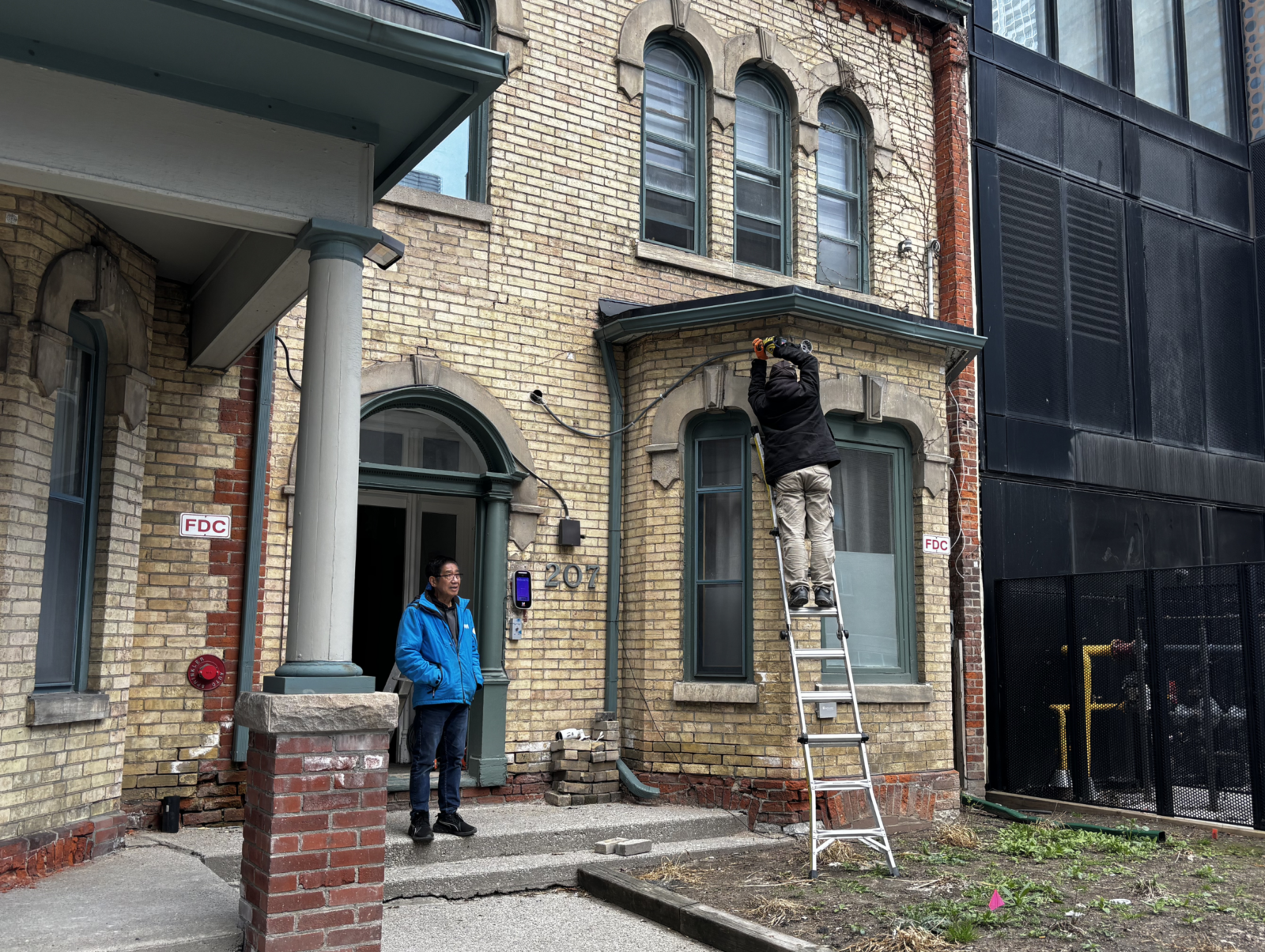
Two men do repairs on a townhouse on Jarvis Street. 📸: Yara El Murr/The Green Line.
Ever had a rental issue that took forever for your landlord to repair?
Don’t stress — there are many ways to deal with that.
In Ontario, landlords are responsible for keeping rental units in good repair and livable condition, as well as in a state that complies with health, safety, housing and maintenance standards.
Need help paying utility bills? Apply for these grants for Torontonians
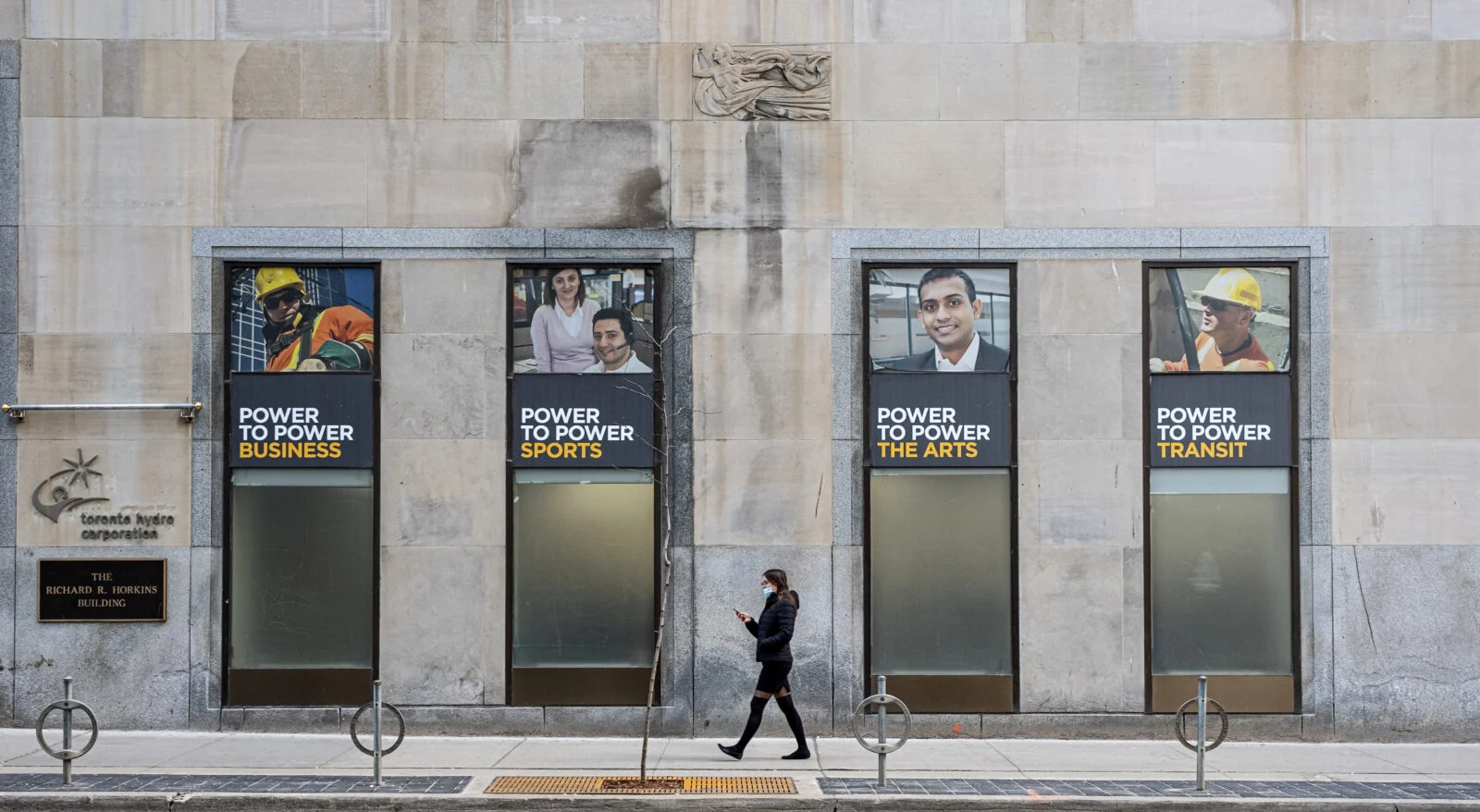
A passerby walks in front of Toronto Hydro signs. 📸: Timothy Neesam/Flickr.
If you can’t pay your hydro or gas bills, don’t panic.
The City of Toronto, the Province of Ontario and Natural Resources Canada have funds and programs to help low-income renters and homeowners pay and reduce their utility bills
Want to learn more about navigating Toronto’s housing crisis, dealing with evictions and fighting against displacement? Check out these Action Journeys by The Green Line.
Here’s your chance to support the only independent, hyperlocal news outlet dedicated to serving gen Zs, millennials and other underserved communities in Toronto. Donate now to support The Green Line.
Get Help With Housing Problems: A Toronto AMA for Renters u0026 Homeowners
A community event and Story Circles hosted by The Green Line.
THURSDAY
MAY 21, 2026
6 to 9 p.m. ET
YOUNGPLACE (180 Shaw St.)
RSVP
Everybody’s got housing questions — but almost nobody knows who’s supposed to answer them
Whether you rent, own, live in a condo, share a place with roommates or are trying to understand what kind of housing supports exist in Toronto, it can be hard to know where to begin.
Who do you call when your landlord won’t fix something? What rights do renters and homeowners have? And why does every housing problem seem to come with five different acronyms?
Don’t worry — you’re not the only one trying to figure it out.
The Green Line is hosting Get Help With Housing Problems: A Toronto AMA for Renters & Homeowners on Thursday, May 21 from 6 to 9 p.m. at Youngplace (180 Shaw St., Unit 314), right across from Trinity Bellwoods Park.
We’ll kick things off with a fun housing Jeopardy-style icebreaker to test your knowledge of Toronto’s housing system. Then, we’ll share practical housing resources created by The Green Line for local Torontonians, followed by an AMA-style Q&A where you can ask questions to our reporter Yara El Murr, as well as local housing organizations, including the Federation of Metro Tenants’ Associations (FMTA) and the Canadian Centre for Housing Rights (CCHR).
After that, we’ll move into Story Circles, where we’ll crowdsource the good, the bad and the ugly of trying to access housing support in Toronto. We want to hear what’s helped, what hasn’t and what other Torontonians should know before they try to navigate the system themselves.
You’ll leave with a better understanding of where to turn, what resources are available and what other renters and homeowners have learned from dealing with housing problems IRL.
Our event is Pay What You Can, as we want to include as many Torontonians as possible in this conversation.
If you’d like to support our team in continuing to host community-focused events like this, we’d appreciate a contribution of $30 to help us fully cover labour costs, as well as refreshments and snacks. If this is above your budget, we’d appreciate a payment of $15. If that’s still a barrier to you joining us, you can contribute as much as you’re able.
Events are an essential part of our Action Journey. We want to empower Torontonians to take action on the issues they learn about in The Green Line — so what better way to do that than by bringing people together? From community members to industry leaders, anyone in Toronto who’s invested in discussing and solving the problems explored in our features is invited to attend. All ages are welcome unless otherwise indicated. Our only guidelines? Be present. Listen. Be kind and courteous. Respect everyone’s privacy. Hate speech and bullying are absolutely not tolerated. At the end of the day, if you had fun and feel inspired after our events, then The Green Line team will have accomplished what we set out to do. Any questions?Contact Us.
Event attendees talk about housing issues they’ve faced and how they navigated them during Story Circles.📸 Anthony Lippa-Hardy/The Green Line.
Event Overview
See what you missed
from our latest event.
Our community members brainstormed solutions for navigating Toronto’s housing market.
Compiled by Yara El Murr.
Jahmira Lovemore-Nelson, from the Little Jamaica Community Landtrust, shares her housing experiences. 📸: Anthony Lippa-Hardy/The Green Line.David Udayasekaran from the Federation of Metro Tenants Association shares his housing experiences and tips. 📸: Anthony Lippa-Hardy/The Green Line.Two attendees share their experience with an above-guideline rent increase (AGI) and brainstorm strategies to fight back. 📸: Anthony Lippa-Hardy/The Green Line.
SOLUTIONS
Word-of-mouth housing support
Multiple attendees said they found their housing units through friends and friends of friends. Plus, many said they relied heavily on word-of-mouth and community connections to learn how to navigate the housing market.
Jesse Tang, an engagement and education advisor at the Canadian Centre for Housing Rights, encouraged attendees to take brochures back home to share with friends. Tang says supporting people around you can fight misinformation and help people feel less alone in their struggle. “For example, if one of your friends is asking you what to do after getting an eviction notice, just make sure that you’re there, and let them know that there’s a lot of community support that exists because I think people will make different decisions if they are supported.”
Tang also suggests joining local tenant unions that canvass in your neighbourhood to meet people where they are with the information they need.
Tenancy paper trails
David Udayasekaran from the Federation of Metro Tenants Association (FMTA) and Jahmira Lovemore-Nelson from the Little Jamaica Community Land Trust stressed the importance of documenting and keeping receipts of every single conversation with your landlord, repair requests, leases and any paperwork related to your tenancy.
“Document everything. Also, keep every document,” Udayasekaran says, adding that a paper trail will come in handy if you ever face a dispute over rent, damages or maintenance.
“If your landlord wants to have a phone call, either say you’d rather do email, or after you [have] that phone call, send an email summarizing the conversation. And if they don’t respond to that email, that’s still a written record of what you talked about, so it can still be used in any situation where you need documentation,” Udayasekaran explains.
Lovemore-Nelson also shared a tip from her time renting in Vancouver, where a Conditions Inspection Report is legally required before any tenant moves into a unit. This report notes previous damage, establishes a baseline to evaluate normal wear and tear and lays out who’s responsible for paying for any potential damages that might occur in the future. It’s not legally required in Toronto, but Lovemore-Nelson highly recommends taking videos, photos and asking your landlord for written documentation if you can.
Organizing spaces for neighbours
A recurring theme throughout the night was “people power.”
Attendees facing an above-guideline rent increase (AGI) shared that they found it useful to mobilize a majority threshold, or 60% of units in their building, to fight collectively. They slipped printouts under neighbours’ doors and created a building-wide WhatsApp group to help residents connect and work together. If you’re interested in doing this, the FMTA and the Toronto Tenant Union (TTU) have dedicated organizers who will go directly into buildings to help residents form official tenant associations and unions.
David Udayasekaran from the FMTA also suggested that residents facing AGIs reach out to his organization, as a staff member can help them connect with other buildings facing the same issue with the same landlord to build even wider reach and solidarity.
“We are in a situation right now where these landlords have been given a lot of power. They’re running roughshod on us, and what we have on them is people power. That’s literally what we got, ” Little Jamaica Community Land Trust’s Lovemore-Nelson says. “If there’s one thing to do immediately, it’s to talk to your neighbours.”
ACTIONS
Do something about the problems that
impact you and your communities.
Know the lifespan of your home items
Landlords are legally required to keep the unit in a state of good repair and to replace appliances when they break down at the end of their lifespan, so they can’t charge you for that. That’s why it’s important to know the average lifespan of appliances, kitchen cabinets, painted walls, floors and more. There are many rubrics for this, including one by RBC, a maintenance company and the International Association of Certified Home Inspectors.
The City of Toronto has a mailing list for “Affordable Housing Opportunities E-updates.” When you sign up, you’ll get notified when the next affordable housing opportunities are available, so you can submit an application and enter a draw. Learn more here.
If you have a maintenance issue, always call 311. Aside from pressuring the landlord to resolve it, making the call also creates a record for your building that can be used by you or others in potential future disputes. You can also call the Rental Housing Enforcement Unit if your landlord is breaking the law
Event attendees talk about their housing issues,and resources that helped them during our May 2026 Action Journey Story Circles at Youngplace. 📸: Anthony Lippa-Hardy/The Green Line.
Become a Green Liner to get exclusive access to our events and meet a community of people who want to rewrite Toronto’s identity together.
The Green Line uses cookies so the site works, to remember your reading progress, and (with your consent) to understand which stories resonate. You can accept all, reject everything non-essential, or pick what you’re comfortable with. Privacy policy
Welcome back👋
New here or returning? Same flow. Drop your email — we'll handle the rest.









Join the conversation