



THE GREEN LINE
DOCUMENTERS NOTES
Toronto is changing apartment safety scoring guidelines — here's how to chime in
City staff are suggesting stricter scoring guidelines under the RentSafeTO program and are welcoming feedback from residents.
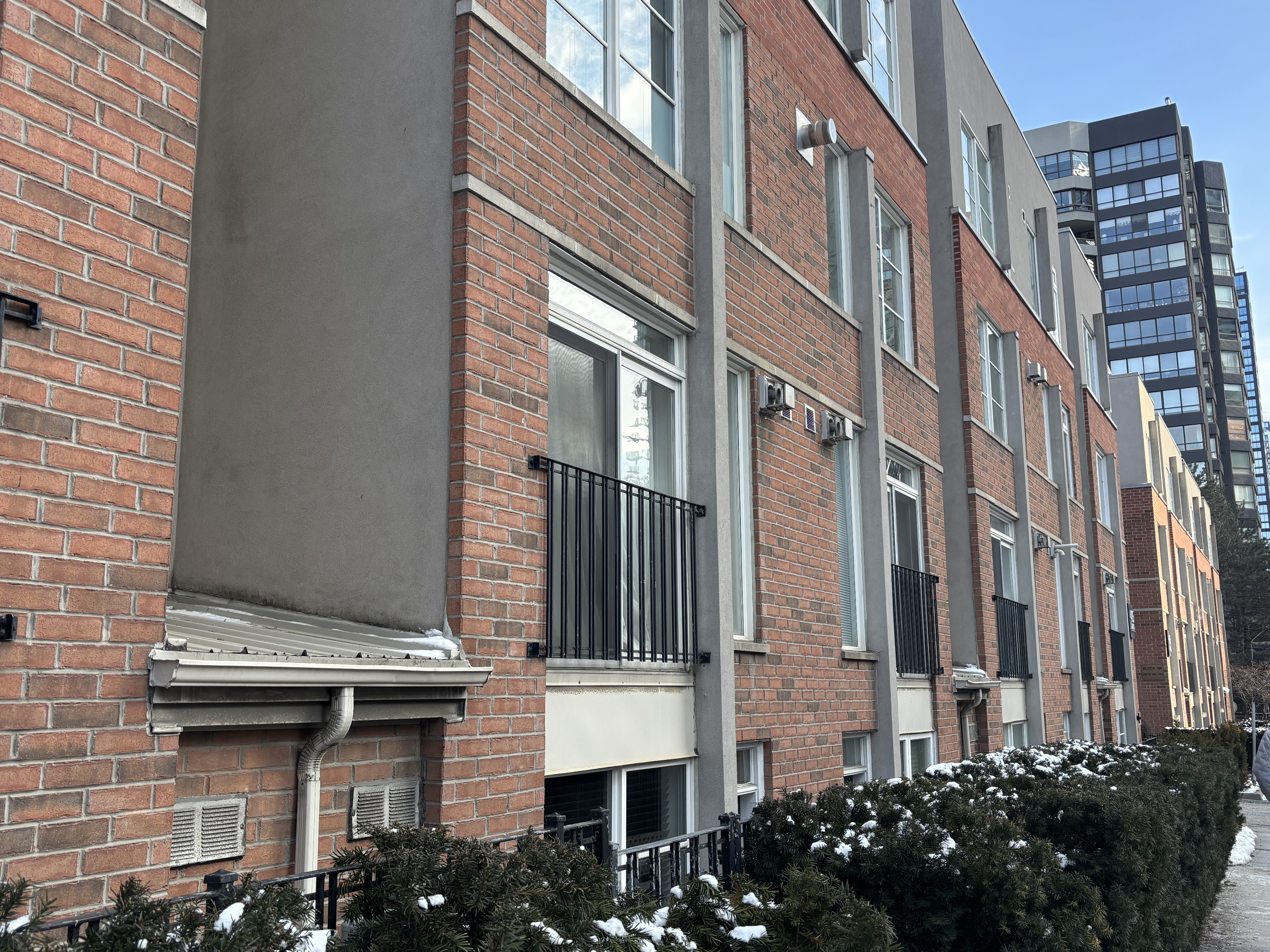
Apartments along Jarvis Street in downtown Toronto.
 : Yara El Murr/The Green Line.

Aia Jaber
Philosophy lover, Mississauga native and current Toronto Metropolitan University Master of Journalism student. Can be found at one of the new Arabic coffee shops opening in the GTA.

Rouaida Nassif
Syrian-Canadian whose favorite form of activism is journalism. A social butterfly passionate about community-centered reporting. Studying journalism at Toronto Metropolitan University while living in Mississauga. Always looking for a new bookstore or library to explore. Serious punk rock enthusiast.
Feb. 27, 2026
These meeting notes are part of Documenters Canada, which is partly funded by the Social Sciences and Humanities Research Council of Canada (SSHRC). Learn more about our program here. The Green Line maintains full editorial independence to ensure journalistic integrity.
Stronger scrutiny for unsafe housing could be coming to Toronto.
On Feb. 20, 2026, the City’s Housing Rights Advisory Committee met to discuss potential refinements to its RentSafeTO program, as well as broader housing concerns.
RentSafeTO, the City’s apartment building standards program, currently evaluates buildings every two years — auditing any that fall in the bottom 2.5 percentile. City staff looked for feedback on the program, encouraging changes to its existing evaluation tool, colour-coded signage system and remedial action plan.
If the changes are approved, the City will re-measure evaluation category weightings to put greater emphasis on higher-risk issues.
Staff also suggested a three-colour signage system to indicate the level of improvement needed: red for "needs significant improvement;" yellow for "needs improvement" and green for "satisfactory."
Councillor Gord Perks said tenants may fear stigma depending on the colour of the signage. He also pointed out that landlords can appeal the violations, which slows down the process of improving housing.
Feedback from this meeting will be used to inform a staff report expected in mid-April. You can share your feedback through a public survey, which is available until Feb. 28.
Our Documenter's local perspective:
When we first moved to Canada in 2018, my family and I had to stay at a motel in Mississauga until we were able to find our home. During our stay, we met several families like ours, newcomer mothers and their children. Shelters didn't have the appropriate facilities to provide for us. We were temporarily part of the 14 per cent of unhoused newcomers in Canada.
At the time, the affordable housing units we saw in Toronto and Mississauga were in poor condition or required some form of repair. Some units had very old radiators, floors with gaps between the wooden planks and walls with scratch marks. A few buildings we saw had unkept hallways with dirty carpets and a musty smell.
Overall, the buildings were typically older and a bit rundown. I’m not sure if RentSafeTO was involved with any of them at the time. I believe it would’ve been easier for us to find good housing if these apartments had fallen under something similar to RentSafeTO.
Fact-Check Yourself
Sources and
further reading
Don't take our word for it —
check our sources for yourself.
Care about our city, but don't know how to make it better? Sign up for simple, step-by-step guides to solving problems in your neighbourhood — one small action at a time.