



THE GREEN LINE
ORIGINAL STORY
How one Scarborough village non-profit is helping formerly incarcerated women rebuild their lives
The Green Line team visited The Second Chance Foundation to learn how its food bank, thrift store and mental health programming are helping formerly incarcerated women find community and overcome reintegration challenges.
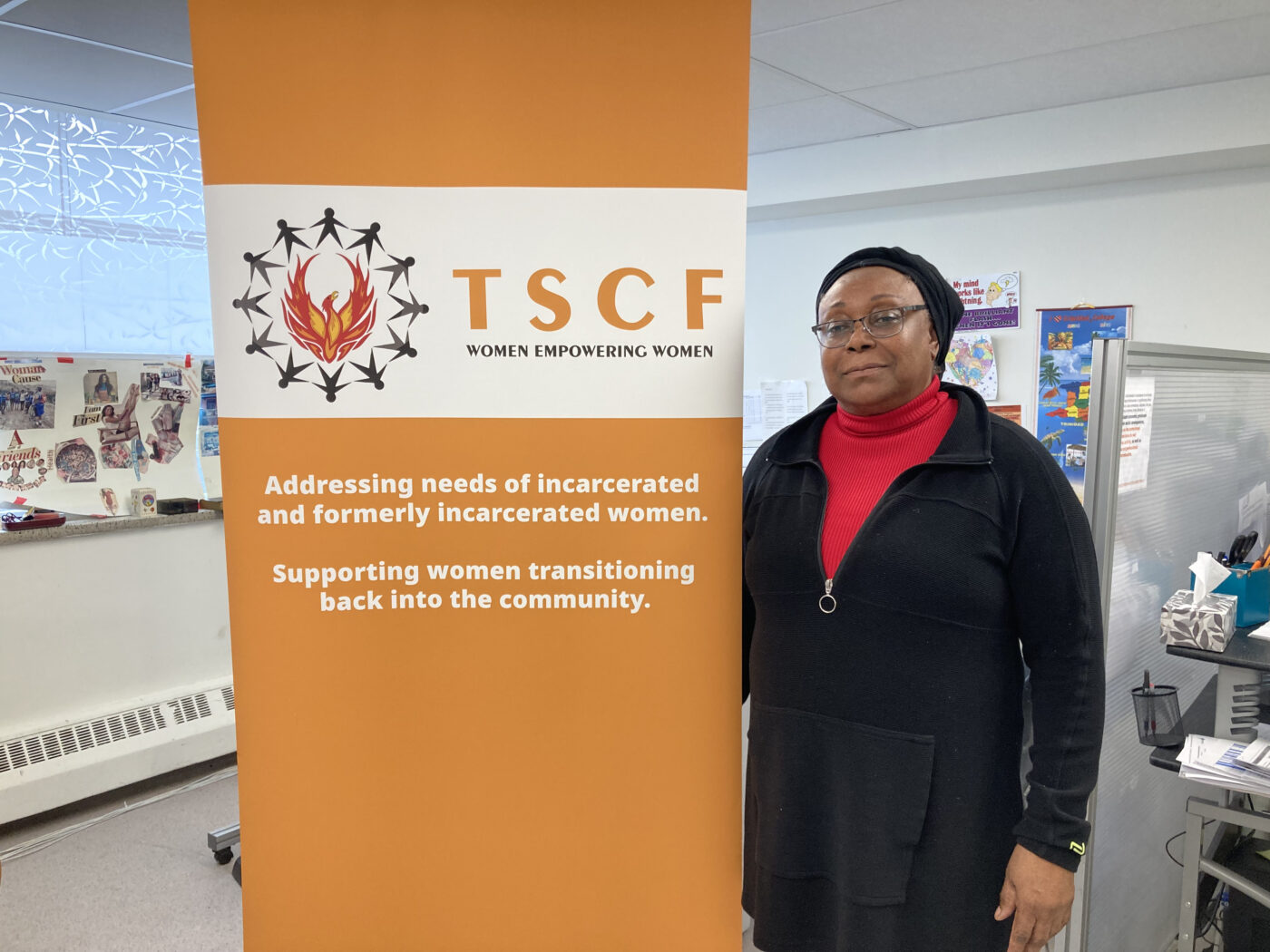
Beverly Dwyer, founder of The Second Chance Foundation, stands by the non-profit's banner inside the office at 3171 Eglinton Ave. E in Scarborough Village.
 : MARY NEWMAN/The Green Line.

AMANDA SERAPHINA JAMES RAJAKUMAR
Indian immigrant with a post-grad in journalism from Centennial College. Now living in Grange Park, meeting new people, and hearing different stories. Has four names, so it’s a pick-your-player situation.

MARY NEWMAN
British-Canadian journalist with a decade’s experience producing for the BBC and CBC. Hails from Robin Hood country so naturally hates wealth inequality and loves organized labour. Now resides in the dog paradise of Roncesvalles.
Dec. 12, 2025
How to build community for formerly incarcerated people
- Build partnerships with existing non-profits and charities, such as The Second Chance Foundation, to leverage resources and supports in your neighbourhood.
- Work with trauma-informed psychotherapists to offer mental health programming.
- Create inclusive programs for day-to-day well-being, such as physical fitness, financial literacy, computer basics, employment training, etc.
- Encourage formerly incarcerated individuals to volunteer at food banks, thrift stores and community centres to integrate with locals.
- Host events such as back-to-school barbeques and Christmas toy drives that will bring the neighbourhood together.
What's life after prison like for formerly incarcerated women in Toronto?
Those with experience say reintegration isn't always easy. From finding stable housing and employment to overcoming social stigma, the barriers are many.
That's why one Scarborough Village organization, The Second Chance Foundation, is working to help formerly incarcerated women access essential needs, reintegrate society and get involved in their local community.
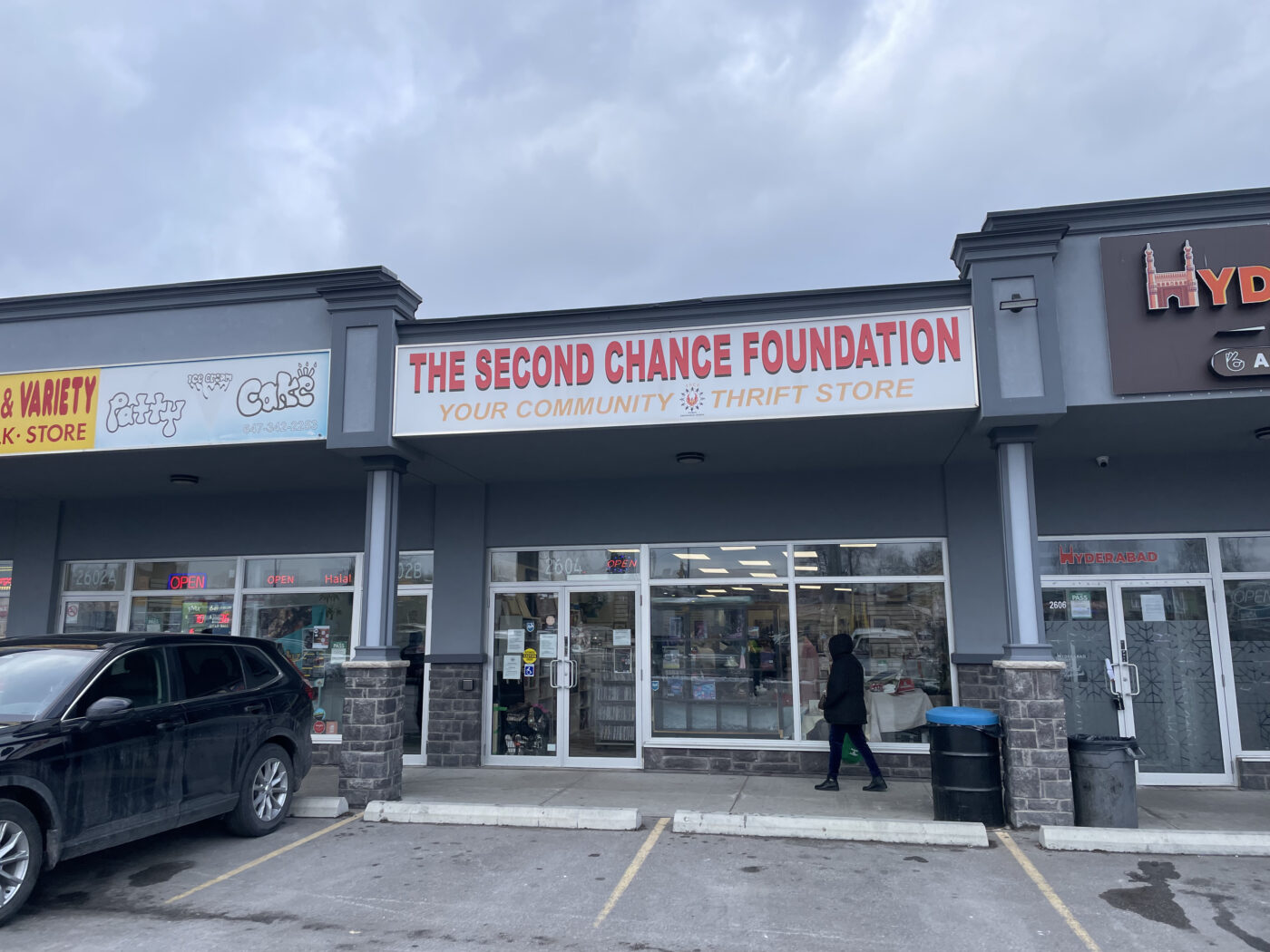
The Second Chance Foundation thrift store located at 2604 Eglinton Ave. E.
 : Amanda Seraphina/The Green Line.
A 2025 report by the Canadian government found that 30 per cent of formerly incarcerated individuals experience homelessness within the first two years of release. Moreover, federally sentenced women have a higher incidence of substance abuse and mental health needs.
Beverly Dwyer, founder of The Second Chance Foundation, has been working with women involved with the justice system for over a decade. “What we try to do is meet them on a human level and give them a sense of purpose.” The non-profit provides clothing, shelter support, employment training and opportunities to go back to school.
“Parole is harder than incarceration…a lot of women coming out of prison are warehoused,” Dwyer says
"There's no support. I've known women who have reoffended just to go back in,” she adds.
A 2021 report by the John Howard Society of Ontario found that 70 per cent of individuals released from an Ontario correctional institution are discharged with no plan or support to get back on track.
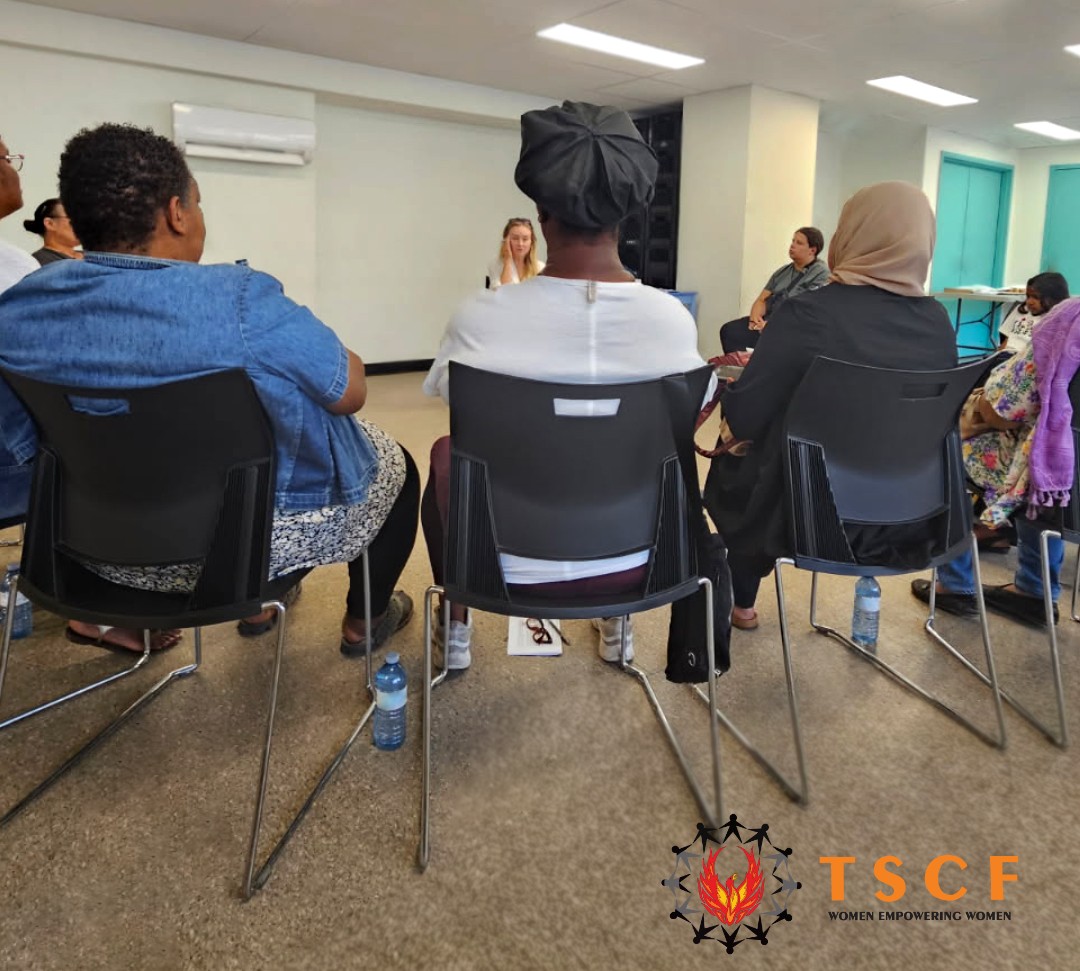
Participants of the Women Empowerment Program sit in a circle during one of the sessions.
: The Second Chance Foundation.
“I have to report every three months to my parole officer. I have to get passes to wherever I want to go, right?” says Lee, a formerly incarcerated individual who now volunteers at The Second Chance Foundation.
“Ever since my previous job, I've been trying to find employment, but as soon as you sit here and you say [you have] a criminal record, it's very challenging," she adds.
Given the social and economic disadvantages that formerly incarcerated women face, The Second Chance Foundation aims to help them build community and reintegrate into society. The organization offers opportunities for them to contribute locally, including volunteering with residents at a food bank and thrift store throughout the week, as well as running events like back-to-school BBQs and Christmas toy drives.
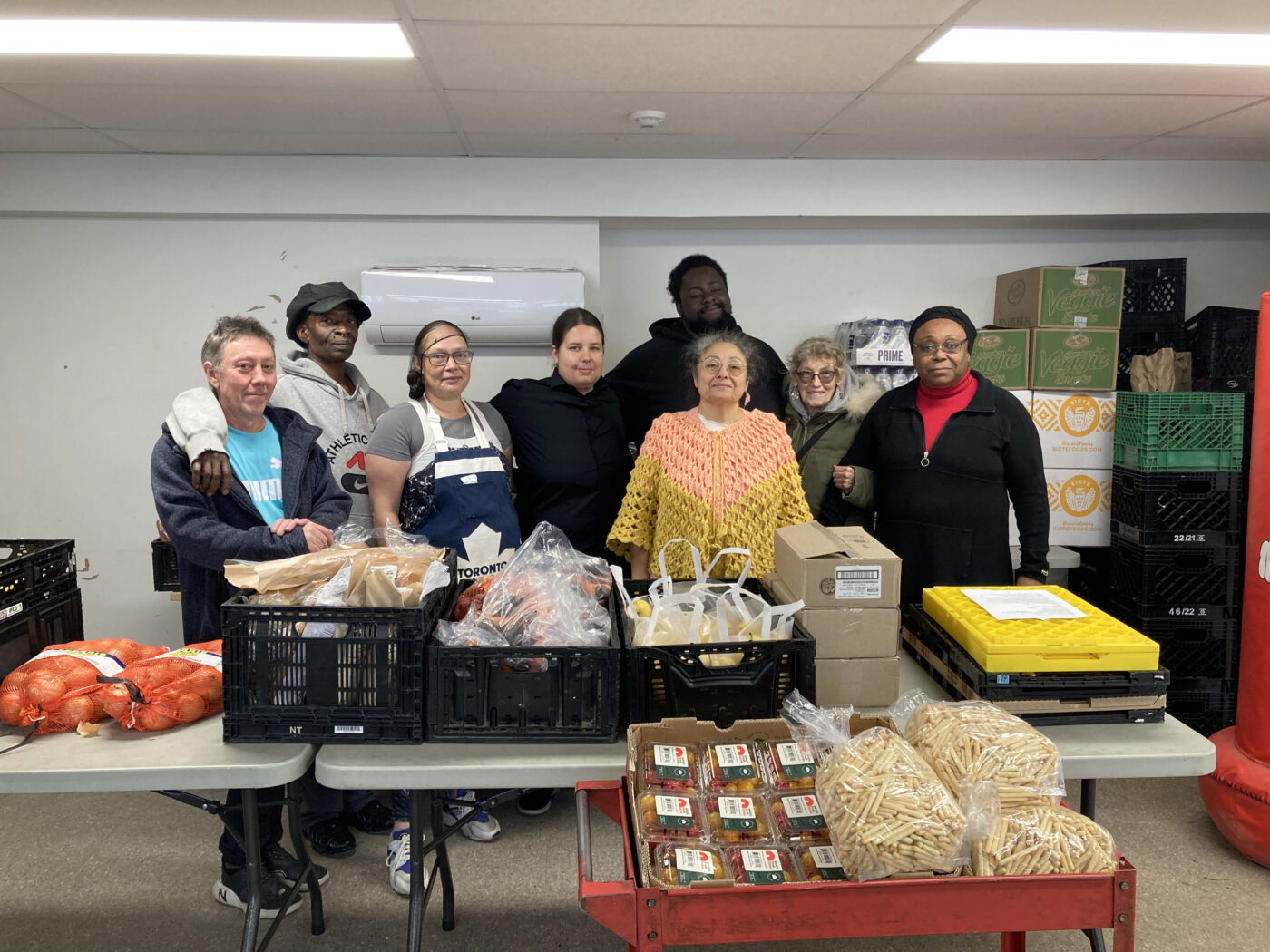
Local volunteers at The Second Chance Foundation stand together with in front of food bank supplies.
: Mary Newman/The Green Line.
In August this year, the foundation launched its first-ever women empowerment program run by a registered psychotherapist.
The ten-week pilot program included weekly group sessions to share experiences of incarceration and dealing with life after prison.
“These supports teach them skills and strategies that allow them to look at themselves with honesty and self-compassion, so that they can actually reclaim their narrative,” says Tracy D. Pryce, the registered psychotherapist who runs the program. “And then going into society, they will have the skills for assertive communication, boundaries. They know their values. They know how to manage stress, deal with anxiety, deal with burnout.”
The Second Chance Foundation hopes to continue to improve the quality of life for formerly incarcerated individuals across Toronto. Some of its plans include sending care packages with daily essentials to transitional housing for the formerly incarcerated, as well as restarting its mental health programming in January.
Fact-Check Yourself
Sources and
further reading
Don't take our word for it —
check our sources for yourself.